Fate & guilt
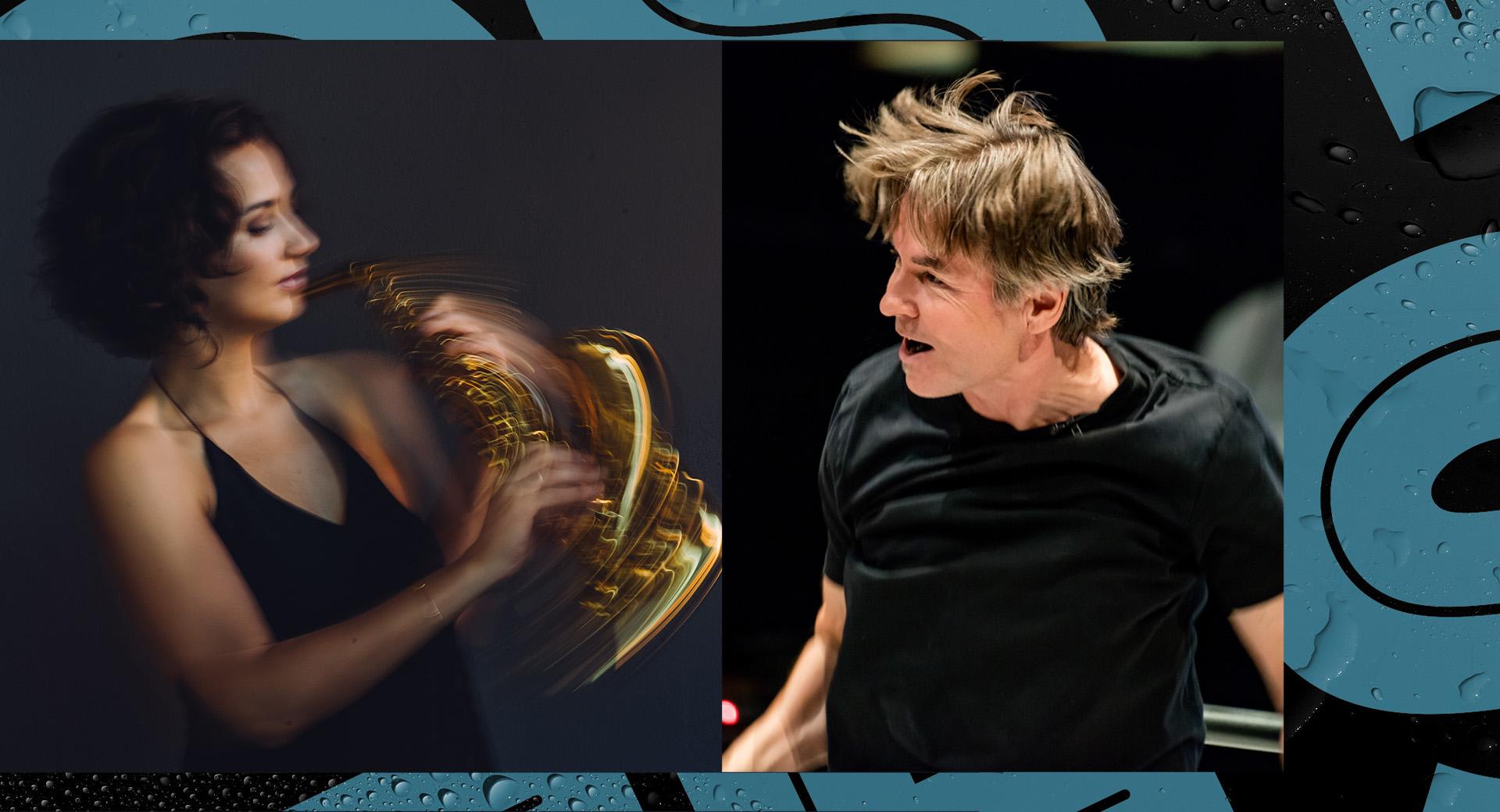
The Baltic Sea Festival’s grand finale invites you to an evening of drama and rich sonorities. Esa-Pekka Salonen conducts the Swedish Radio Symphony Orchestra together with soprano Aphrodite Patoulidou, baritone Peter Mattei, and saxophonist Asya Fateyeva. The program opens with Erkki-Sven Tüür’s new saxophone concerto – a work that looks toward the future – before Sibelius’s monumental Kullervo draws us deep into the mythic world of the Finnish epic. A closing night where contemporary sound meets Nordic legend in a powerful musical encounter.
This production is part of one or more concert series.
The concert is broadcast live on P2.
Please note that the Stockholm Half Marathon will take place on this date between 3:30–6:45 PM. Although the course is not in direct proximity to Berwaldhallen, traffic in the city will be significantly affected, so make sure to leave in good time.

Tüür’s Saxophone Concerto
The Estonian composer Erkki-Sven Tüür is known among faithful Baltic Sea Festival-goers. This is the third time one of his works are featured in the programme. Tüür, one of Estonia’s most successful contemporary composers, works within a postmodern tradition in which texture, atmosphere and narrative play a prominent role. We can expect the same from his Saxophone Concerto, receiving its world premiere at the Baltic Sea Festival’s closing concert. The work will be performed by the Ukrainian star soloist Asya Fateyeva, celebrated for her beautiful saxophone tone and sensitive interpretations.
Kullervo: Sibelius’s Tale of Siblings and Tragedy
Elias Lönnrot wrote it down, but it was Jean Sibelius who carried it out into the world. That is one way, admittedly a simplified one, of describing how the Finnish-Estonian national epic Kalevala journeyed from a regional tradition to an internationally recognised literary work. Yet the movement also ran in the opposite direction. It was by turning to Finland’s literary heritage that Sibelius achieved his first major breakthrough as a composer at home.
Kullervo was written by the young Sibelius in the early 1890s. In this five-movement work for orchestra, singers, male choir and vocal soloists, he portrays the ill-fated Kullervo, the son of a god, or more precisely, of a giant, who despite his valiant efforts is unable to escape his predetermined fate.
When Kullervo premiered in Helsinki in 1892, it was met with enthusiasm from both critics and audiences. National Romantic currents in the arts were on the rise, and many sought to free themselves from Russian influence over the country. Add to this Sibelius’s gift for writing grand music that strikes directly at the listener without ever seeming banal, and the result could only be a resounding success.
In Search of the Origins of the Kalevala
The mysteries of the Kalevala fascinated Sibelius so deeply that he chose Karelia in eastern Finland, believed to be the birthplace of the myths, as the destination for his honeymoon. Perhaps there was also something in Kullervo’s fate that appealed to him. There is a suggestive and almost sensual quality to the story of the doomed young man who cannot evade the disasters awaiting him.
Enslaved in his youth, Kullervo eventually breaks free, only to seal his fate when he unknowingly seduces and commits a “blood sin” with his long-lost sister. It is a tale steeped in destiny, one that aligns perfectly with the composer’s artistic temperament, where light and darkness are always intertwined in a strikingly tangible way. At the Baltic Sea Festival’s closing concert, the unfortunate Kullervo will be sung by the Swedish baritone Peter Mattei, while his sister will be portrayed by the Greek soprano Aphrodite Patoulidou.
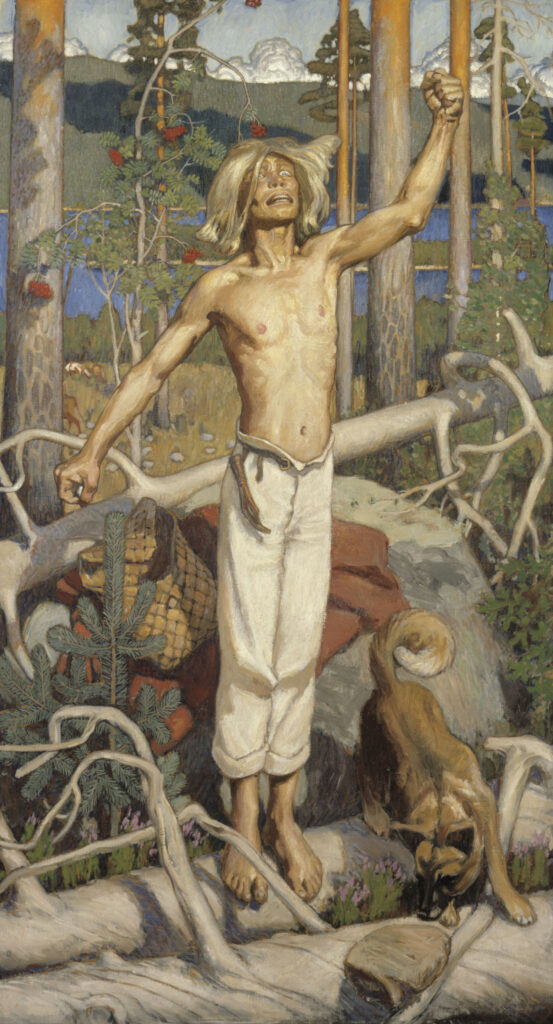
Akseli Gallen-Kallela
Sibelius’s First Symphony?
Kullervo foreshadowed the symphonies that Sibelius had yet to write. Musicologists remain divided on whether the work should be described as the Finnish master’s first symphony, although in form it is certainly deserving of the title. In a letter, Sibelius himself is said to have expressed dissatisfaction with the subtitle “symphonic poem”; in his view, Kullervo was a symphony.
On the other hand, only a few years after its premiere he withdrew the work from the repertoire. It was not performed again during his lifetime, apart from the Kalevala anniversary celebrations in 1935. After Sibelius’s death, it was his son-in-law who rediscovered the score and brought it back to public attention.
Whatever one’s position in the debate, Kullervo remains a work of extraordinary fascination, both in its own right and as a foretaste of the remarkable cycle of symphonies that would follow.
Text: Edith Söderström
Read more about this year's festival
The Baltic Sea Festival returns to Stockholm from 21–29 August 2026, filling the city with music that spans the intimate to the monumental. You can look forward to a rich mix of orchestral concerts, chamber music, choral works, jazz explorations, contemporary premieres, and boundary-crossing collaborations.
Baltic Sea Festival 2026
 Date has passed21 August
Rythm and ritual
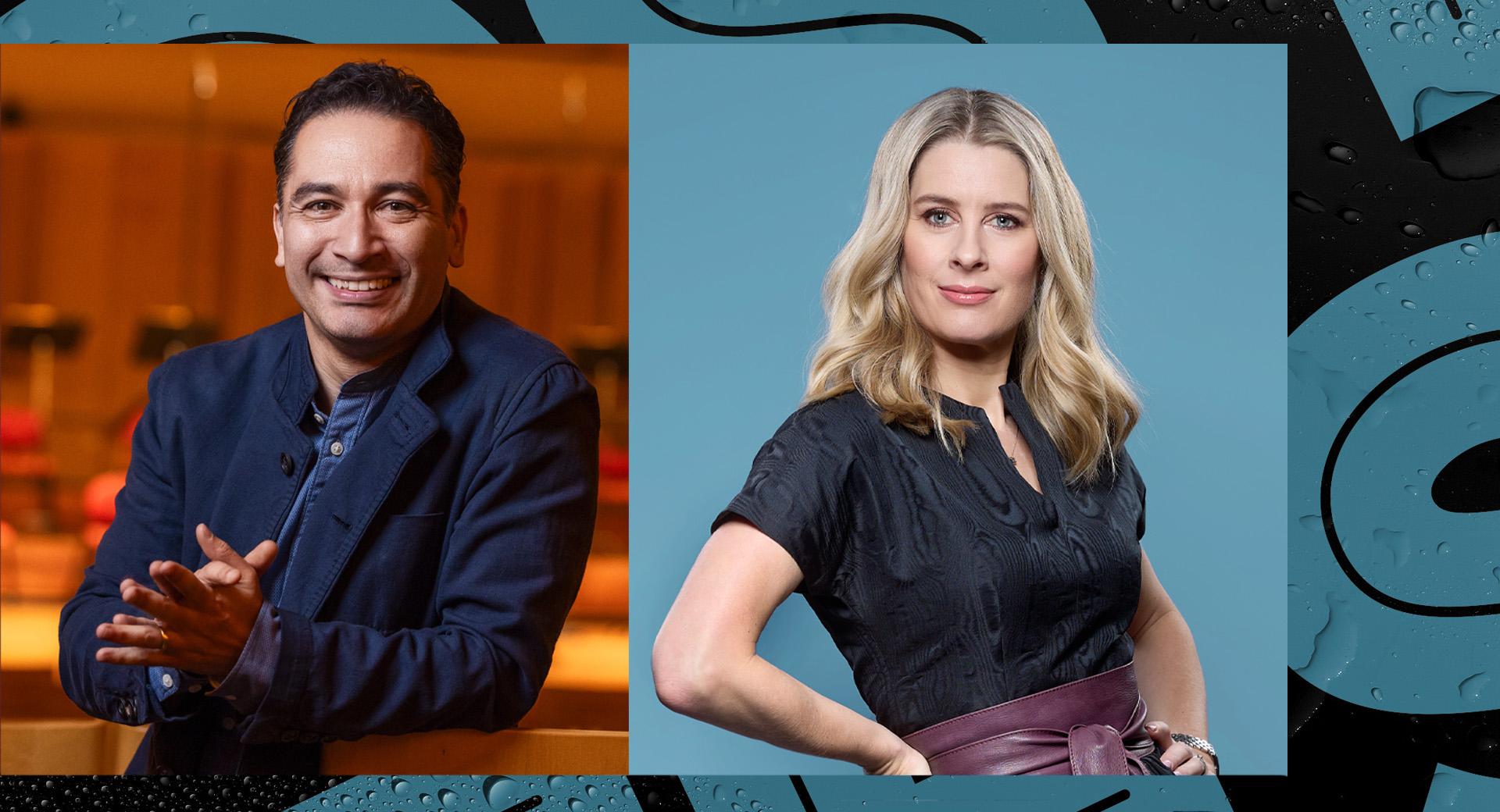
The Baltic Sea Festival 2026 opens with premieres and pulse! Andres Orozco-Estrada debuts as Chief Conductor, Hillborg’s Hell Mountain has its Swedish premiere, and Molly Kien’s new work receives its world premiere. Soprano Malin Byström sparkles in Alma Mahler’s songs before the evening culminates in Stravinsky’s iconic The Rite of Spring.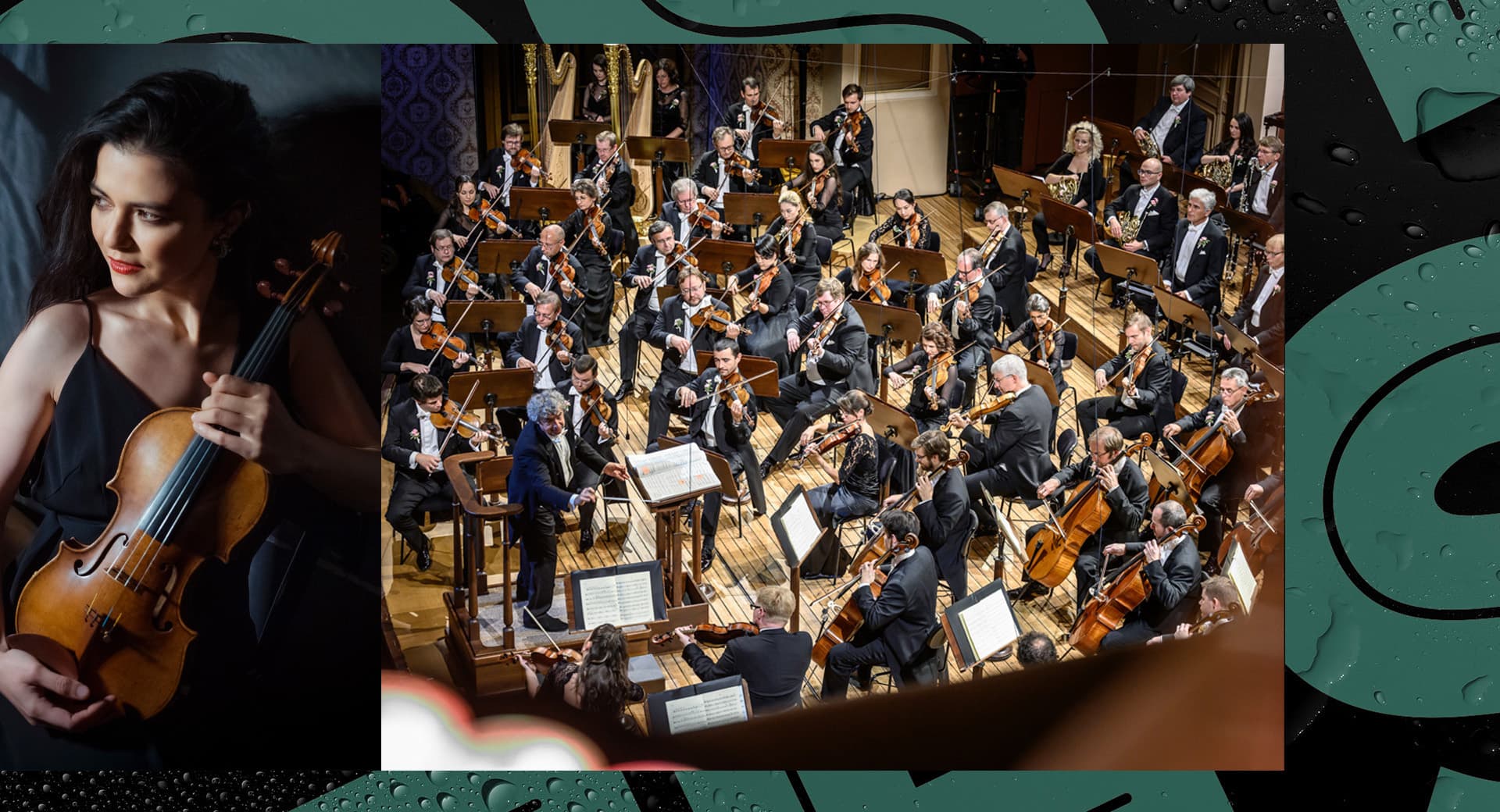 Date has passedAugust 25
Passion and protest
The Czech Philharmonic visits the Baltic Sea Festival! Under its legendary Chief Conductor and Music Director Semyon Bychkov, Karen Gomyo, who due to illness is replacing Janine Jansen, performs Shostakovich’s first violin concerto, followed by Dvořák’s dramatic seventh symphony.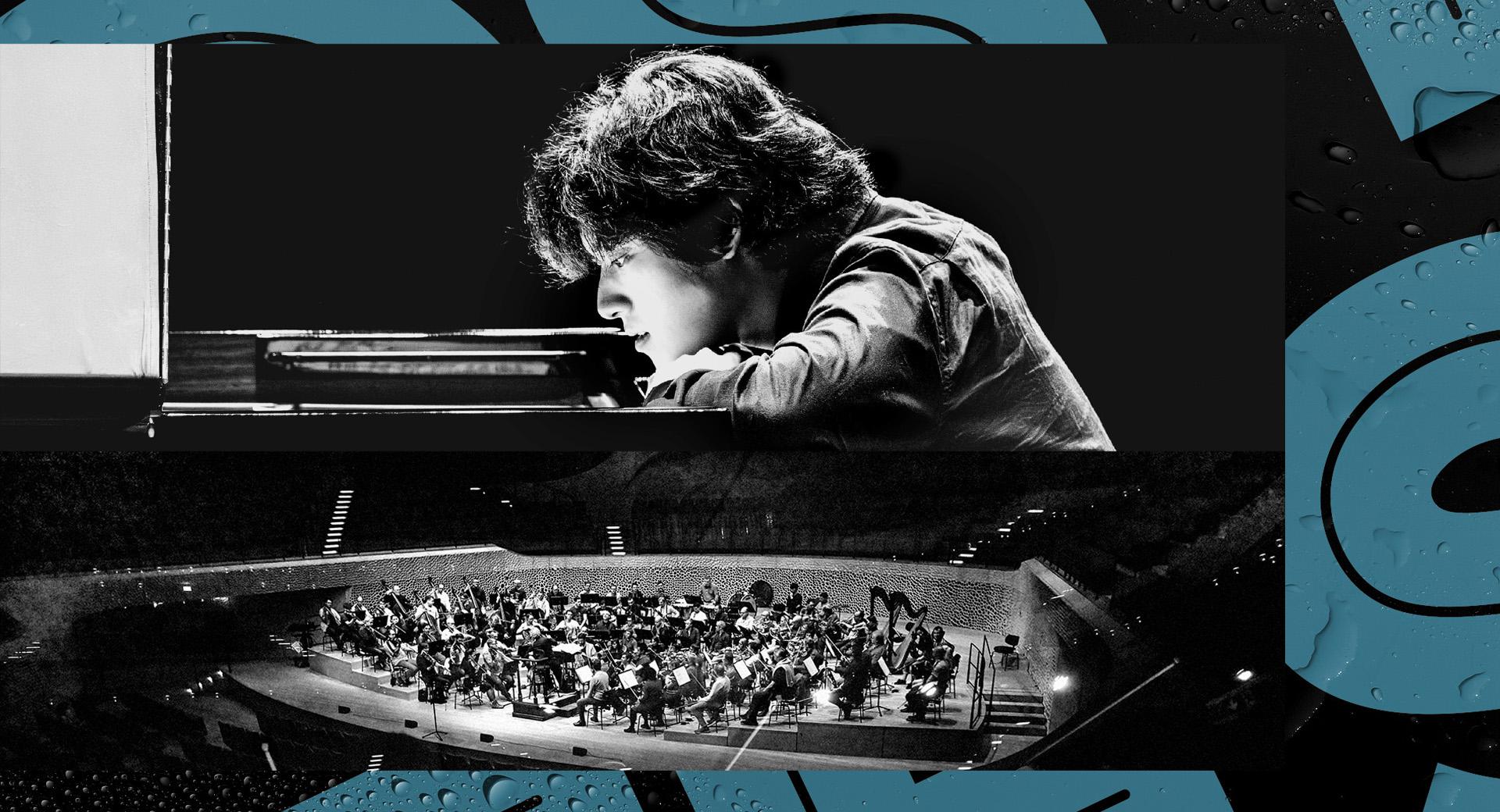 Date has passed26 August
Dreams of freedom
The Czech Philharmonic returns under Chief Conductor and Music Director Semyon Bychkov, joined by internationally acclaimed pianist Yunchan Lim in his Swedish debut. Ravel’s Piano Concerto dazzles with jazzy, dreamlike colours, followed by Smetana’s Má Vlast, a majestic journey through Bohemia’s landscapes and spirit. Date has passed27 August
Beyond baroque
Day four of the Baltic Sea Festival 2026 takes us beyond the boundaries of time. Countertenor Jakub Józef Orliński returns together with the baroque orchestra Il Pomo d’Oro for a program exploring the music of the early Baroque.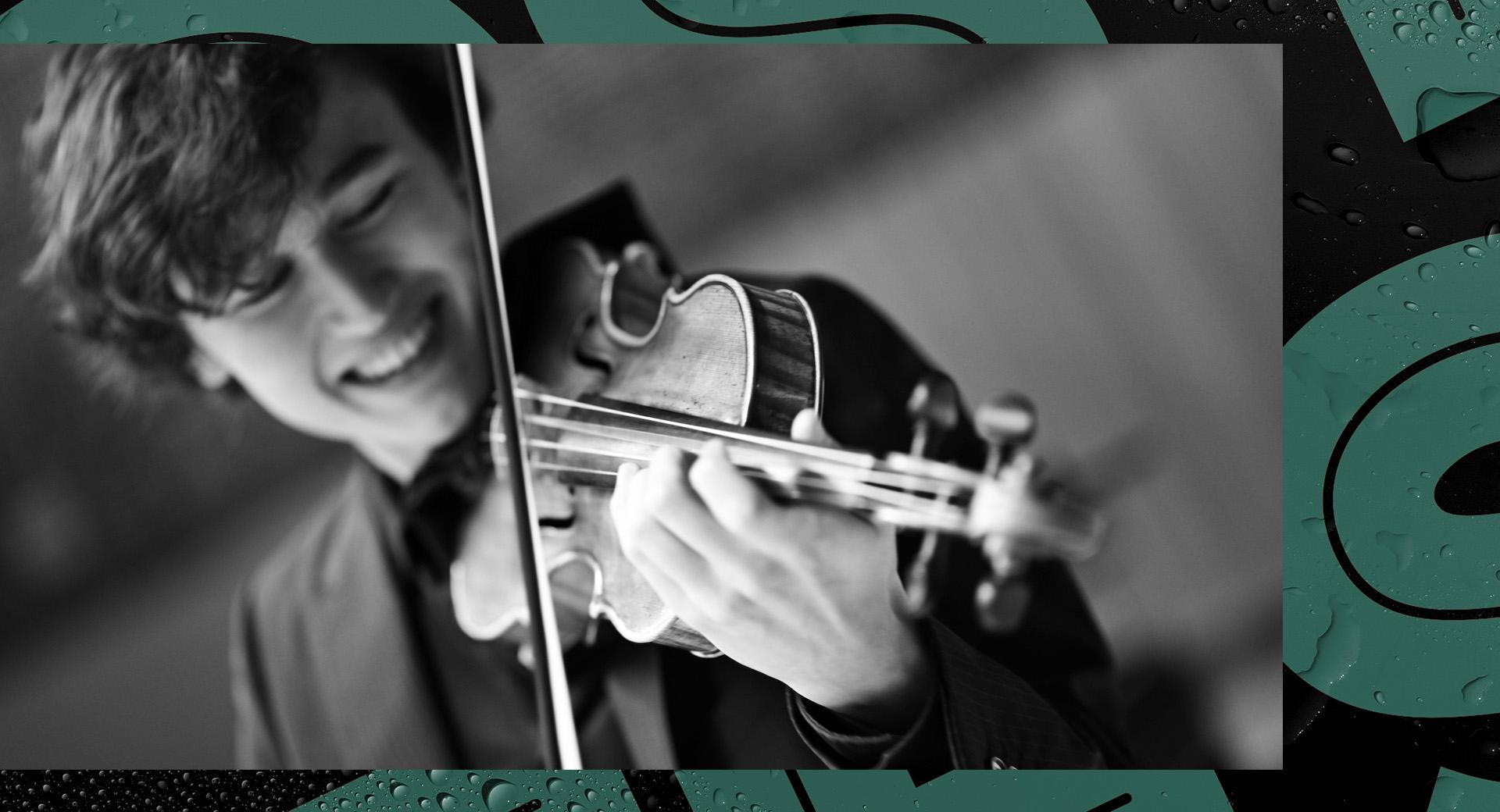 Date has passed22 August
Back to Bach with Lozakovich
Internationally acclaimed violinist Daniel Lozakovich offers an exklusive concert in Storkyrkan featuring music by his great artistic beacon, Johann Sebastian Bach. Date has passed28 August
Beethoven's DNA
What lies at the core of Beethoven’s music – and where do its building blocks come from? Martin Fröst leads the Swedish Chamber Orchestra in a program where Jacob Mühlrad’s Helix meets Hans Ek’s DNA Suite, inspired by Bach, Rameau, and Handel. The evening culminates in Beethoven’s Symphony No. 7 – a work carrying this entire musical heritage in its DNA. Date has passedAugust 28
Late Night Concert with the Swedish Radio Choir
As the summer evening drifts into night, the Swedish Radio Choir takes over Nordiska museet with an atmosphere‑laden programme moving between ancient spirituality and contemporary sonic brilliance. ogether with violist Ami‑Louise Johnsson, we encounter everything from Bach’s introspective Baroque lines and Ligeti’s hypnotic solo viola to the deeply meditative choral music of Tavener and McDowall.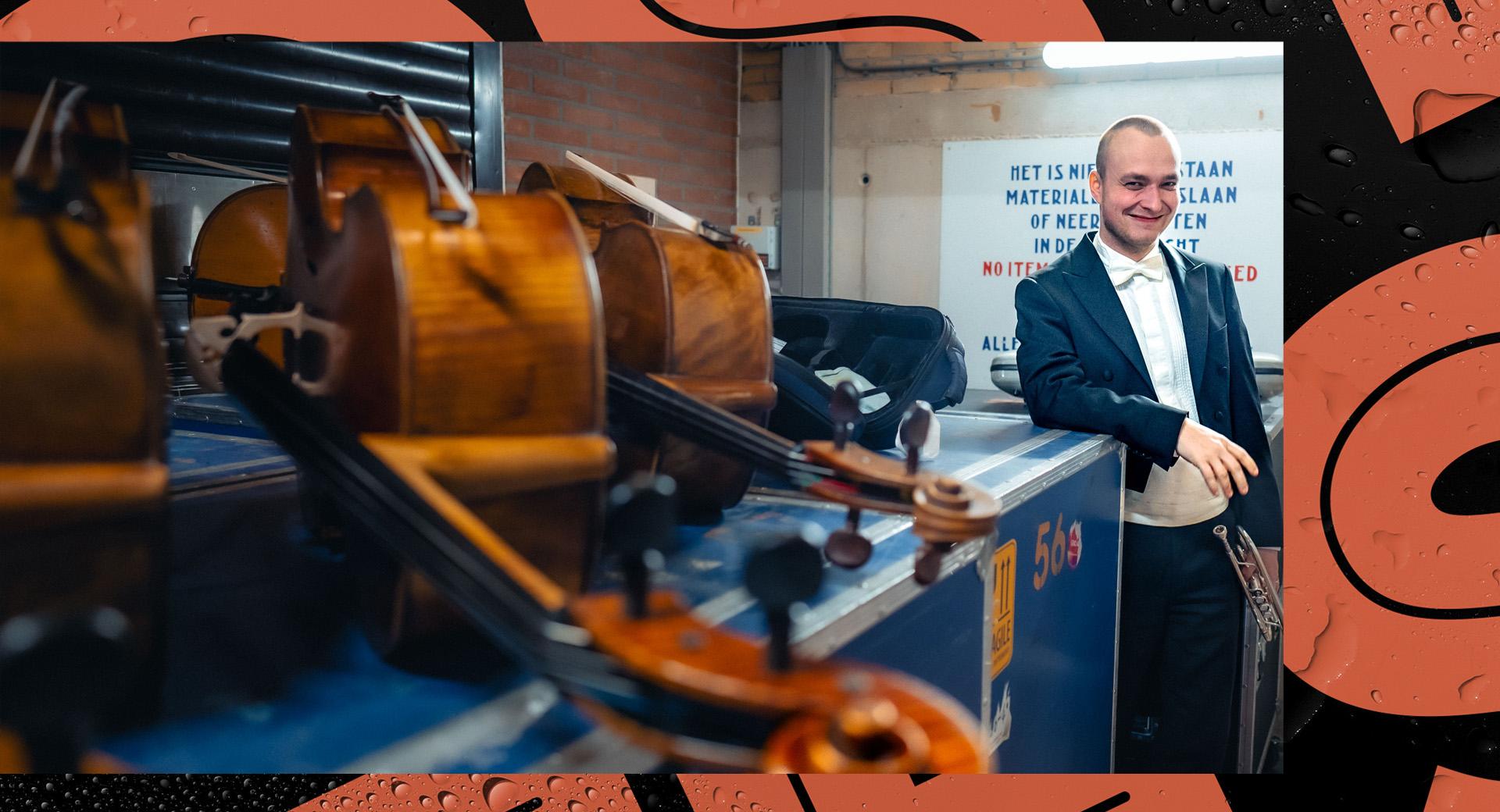 Date has passed27 August
Berwald’s septet and Dvořák’s Serenade for Strings
Musicians from the Czech Philharmonic and the Swedish Radio Symphony Orchestra meet in the Queen Silvia Concert Hall to perform chamber music by Franz Berwald and Antonín Dvořák.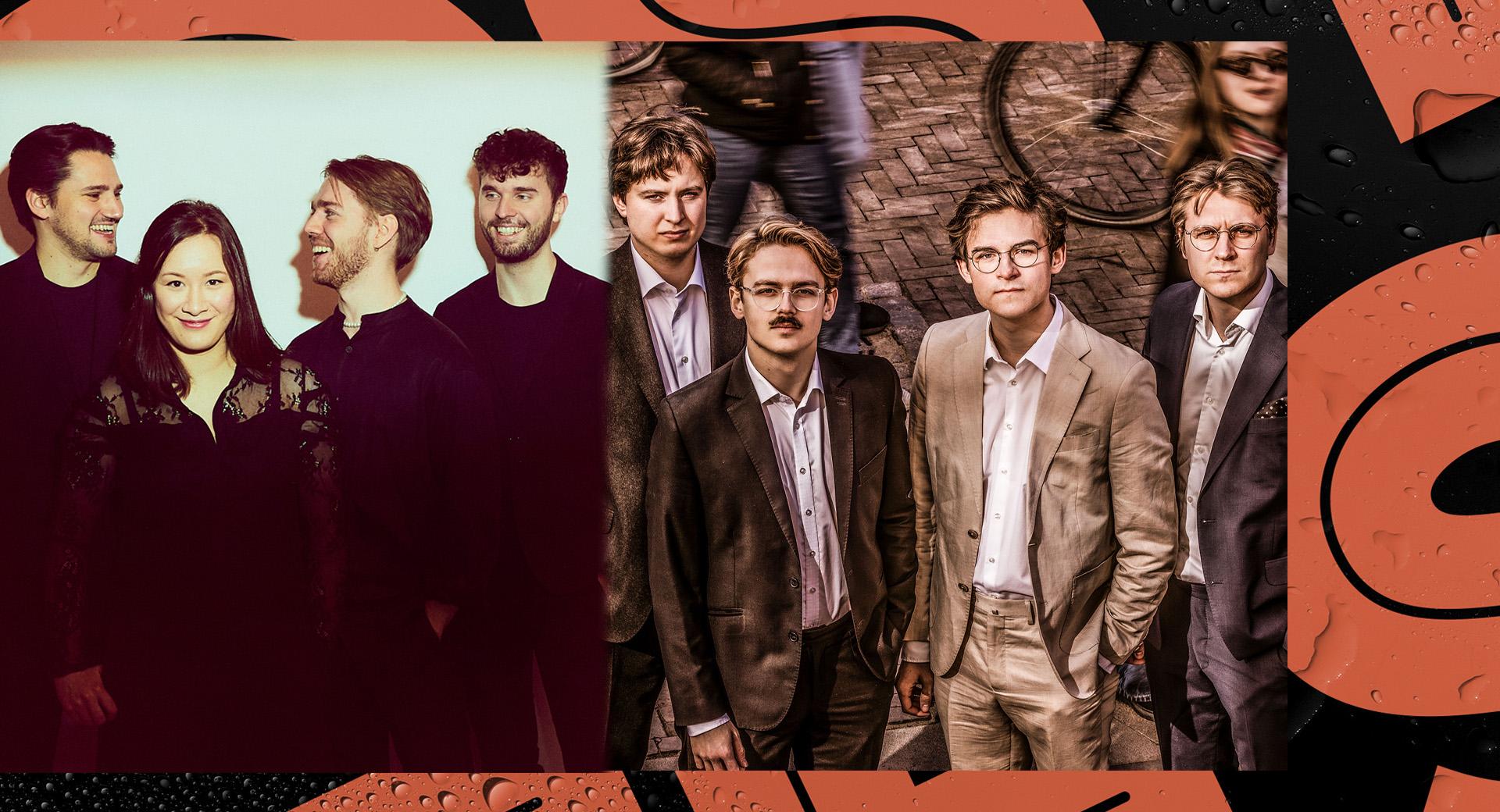 Date has passed29 August
Opus13 & Monbijou Quartet
Two of the most acclaimed string quartets of our time—Monbijou Quartet and Opus13—join forces in a programme that moves between contemporary sonic... Date has passed23 August
Schweitzer, Lyssarides & Co
Trombonist and big band leader Tilde Schweitzer and multi-award-winning pianist Joel Lyssarides take the stage at Fasching together with 16 string musicians in a concert that grew out of their shared love of the orchestral jazz tradition. Date has passed29 August
ARTS LAB at the Finnish Institute
Do you want to hear what the concert halls of the future might sound like? During the Baltic Sea Festival, you can meet the participants of ARTS LAB – a project that brings together promising instrumentalists and composers from across the Baltic Sea region in a creative collaboration. ARTS LAB unites participants handpicked from the Voksenåsen Talent Program and Creative Dialogue, coached by internationally renowned mentors. Date has passed22 Augusti
Family day and open house
Join the Baltic Sea Festival's traditional family day for all ages!