Dreams of freedom
Day three of the Baltic Sea Festival unfolds as an evening where dreams of freedom echo through the language of music.
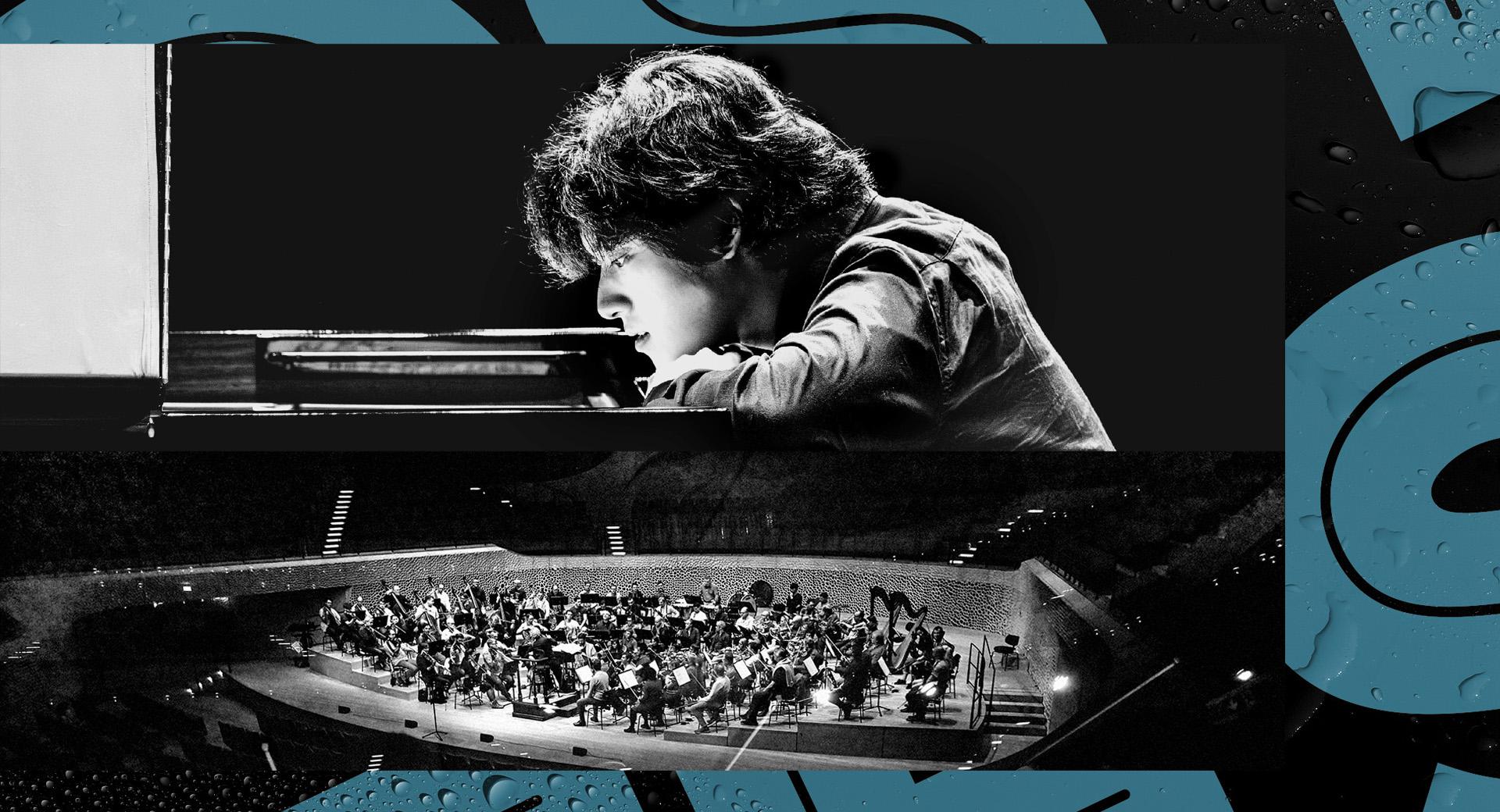
The award‑winning Czech Philharmonic returns together with its legendary Chief Conductor and Music Director, Semyon Bychkov, joined by internationally acclaimed South Korean pianist Yunchan Lim in his long‑awaited Swedish debut.
Maurice Ravel’s beloved Piano Concerto is at the heart of the program – a work where jazzy rhythms blend with shimmering, dreamlike colours rooted in the composer’s Basque heritage, written during a turbulent period for the region.
The evening concludes with Bedřich Smetana’s Má Vlast – six symphonic poems that paint vivid portraits of Bohemia’s landscapes, history, and spirit. A national‑romantic epic where nature opens into visions of freedom, bringing the Czech Philharmonic’s guest appearance to a resounding and unforgettable close.
This production is part of one or more concert series.
The concert is broadcast on P2 at 8 pm.
A stylistically confident border-crosser
Maurice Ravel wrote his two piano concertos at the same time. He began sketching what eventually became the G major concerto as early as 1906, based on Basque folk melodies. Ravel grew up barely two miles from the Spanish border in the Basque part of France with a Basque mother who had grown up in Madrid. By the time Ravel began working seriously on the G major concerto in 1929, he had instead been infected by jazz music and spirituals during his US tour the previous year.
Traces of Ravel’s Basque origins remain, but it is the blue tones and modality of jazz and spirituals that characterise the music. Antonín Dvořák had urged American composers to seek their roots in their own traditional music, but the fertile soil was just as acommodating for Europeans to cultivate their creations in. And even if Ravel – reluctantly! – was called an impressionist, the versatile Frenchman was rather a precursor to our modern polystylistic musical equilibrists.
The Korean rising star Yunchan Lim has in a short time won a series of competitions and awards, recorded albums and even become an internet phenomenon – with Rachmaninov’s Third Piano Concerto. Ravel’s G major concerto is a work he is already familiar with, and based on one of the reviews of him – an old soul with a youthful mind – Ravel’s playful and imaginative music should fit him like a glove.
Virtuosity without played depth
Ravel said in an interview in connection with having completed the work that his “only desire was to write a genuine solo concerto, a brilliant work that highlights the soloist’s virtuosity without any played depth”. Nowhere in the work’s three movements does Ravel sound arrogantly academic. Rather, it is a very skilled but also playful character that emerges in the music.
The first movement begins with a whiplash followed by a bleak folk melody that moves through the orchestra. The piano takes the lead a little way into the movement with a contrasting, lyrical theme that is answered by the orchestra with jazzy lines and chords. Before the piano soloist’s cadence, the orchestra, led by the harpist, offers a dreamy middle section.
The slow second movement begins with a long, soaring piano solo. Ravel, known for being a hard-working perfectionist, struggled with the 34-bar unbroken phrase. The woodwinds carry the music on to a more harmoniously dissonant middle section, with major and minor keys that seem to grind down the second distance between them, but written so gently and tenderly that it moves rather than shakes.
After the lullaby ending of the second movement, we are abruptly awakened by the third and final movement – almost a race between the pianist and the orchestra, which fittingly begins with fanfare-like thrusts in brass and percussion. The movement is characterised by a carnival-like atmosphere with an endless stream of notes from the piano and colourful orchestral sounds. The opening fanfare returns a couple of times and ends the entire work with a bang.
Music does not arise in a vacuum
Today we are used to thinking of art music, popular music and folk music as three separate phenomena and to paying attention when the, in fact arbitrary, boundaries are crossed. But it has not always been this way. During the 19th century, a romanticised image of the inherited, orally transmitted music was cultivated as part of something original and unspoiled. This coincided with the strong national currents that swept through and beyond Europe.
Bedřich Smetana laid the foundation for a Czech art music identity by drawing on and using folk dances and songs from Bohemia and Moravia, which today constitute the western and eastern Czech Republics, respectively. In earlier eras, this mobility in musical expression was nothing out of the ordinary. In the six symphonic poems that make up Má vlast – My Country – Smetana sought his cultural roots in Bohemia and wove fairytales, legends, songs and places into the picturesque music.
As the name suggests, the Czech Philharmonic has been a cultural representative of its country for more than 130 years. Under the leadership of Semyon Bychkov, the orchestra’s Chief Conductor and Music Director, it has strengthened its international reputation, including with several critically acclaimed recordings. Smetana’s Má vlast is one of them; released in connection with the composer’s 200th anniversary in 2024.
Smetana’s musical poetry
The first movement, Vyšehrad, is named after a castle in Prague that is over 1,000 years old. The harp playing that begins and recurs during the movement is a reference to the mythical bard Lumír who is said to have sung about the castle before breaking his instrument. The short motif that symbolises Vyšehrad Castle also recurs throughout the movement. The rippling harp notes that end the movement foreshadow the second, named after the river that we also know by the German name Moldau.
In Vltava, the rippling is taken over by flutes, then by strings, before the longing melody enters. The melody originates from the Renaissance and is a prime example of how orally transmitted music has travelled in time and space: Among all the variants there are O Nederland, let op u sæck, Ack Värmeland du sköna, the Czech folk song Kočka leze dírou and Shmuel Cohen’s Hatikvah which has become the national anthem of Israel.
The third movement is named after Šárka, a warrior woman who is one of the central figures in the mythical war in the 8th century between Děvín in southern Moravia and Vyšehrad in Bohemia. In the music, Smetana depicts how the women who ruled in Děvín, led by Šárka, outwit and kill several of Vyšehrad’s foremost warriors. Šárka manages to fall in love with the courtly knight Ctirad, who, however, falls with his comrades.
From Czech Meadows and Groves, Z českých luhů a hájů, is not a story so much as a description of nature. The alternations between the bustling fugue in restrained strings and the lyrical horn melody are beautiful music, but also easy to interpret as declarations of love for Smetana’s country.
The last two movements were written several years after the first four. In fact, all six symphonic poems were written as independent works and put together afterwards. Tábor is named after a town in southern Bohemia where the revolutionary Hussites had their headquarters during the Bohemian Reformation in the 15th century. The musical theme comes from the 15th century song Ktož jsú Boží bojovníci, “You Who Are God’s Warriors,” which the Hussites used as a war song.
Blaník begins with the same leitmotif as in Tábor. According to legend, on Mount Blaník rests the knight Wenzel, known in English as Wenceslaus, and his army who will awaken and save the country in its greatest need. Blaník develops the Hussite song into a triumphant conclusion in which Vyšehrad and the Vltava are also heard again.
Text: David Saulesco (translated by Anna Rickman)
Read more about this year's festival
The Baltic Sea Festival returns to Stockholm from 21–29 August 2026, filling the city with music that spans the intimate to the monumental. You can look forward to a rich mix of orchestral concerts, chamber music, choral works, jazz explorations, contemporary premieres, and boundary-crossing collaborations.
Baltic Sea Festival 2026
 Date has passed21 August
Rythm and ritual
The Baltic Sea Festival 2026 opens with premieres and pulse! Andres Orozco-Estrada debuts as Chief Conductor, Hillborg’s Hell Mountain has its Swedish premiere, and Molly Kien’s new work receives its world premiere. Soprano Malin Byström sparkles in Alma Mahler’s songs before the evening culminates in Stravinsky’s iconic The Rite of Spring.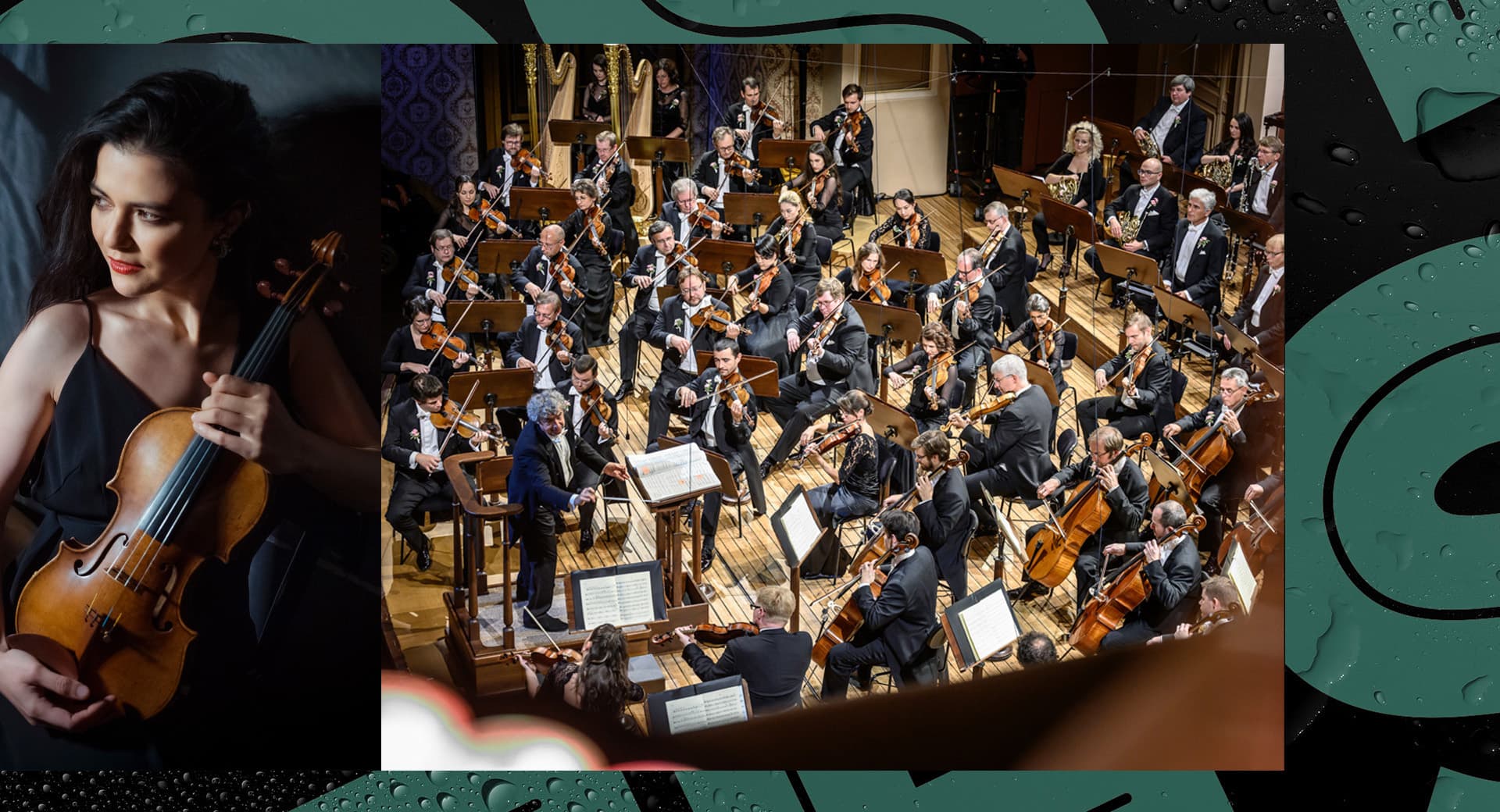 Date has passedAugust 25
Passion and protest
The Czech Philharmonic visits the Baltic Sea Festival! Under its legendary Chief Conductor and Music Director Semyon Bychkov, Karen Gomyo, who due to illness is replacing Janine Jansen, performs Shostakovich’s first violin concerto, followed by Dvořák’s dramatic seventh symphony. Date has passed27 August
Beyond baroque
Day four of the Baltic Sea Festival 2026 takes us beyond the boundaries of time. Countertenor Jakub Józef Orliński returns together with the baroque orchestra Il Pomo d’Oro for a program exploring the music of the early Baroque.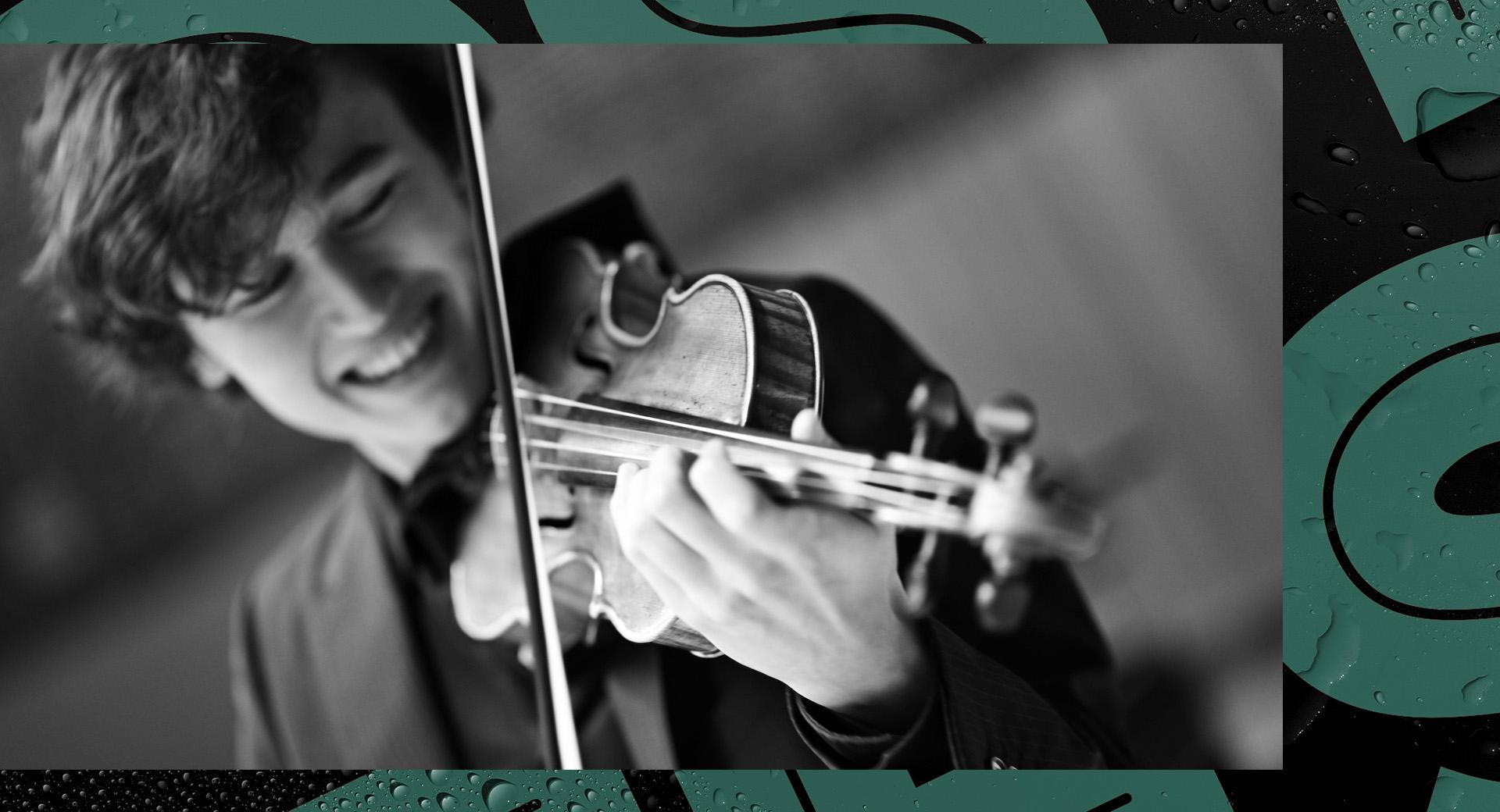 Date has passed22 August
Back to Bach with Lozakovich
Internationally acclaimed violinist Daniel Lozakovich offers an exklusive concert in Storkyrkan featuring music by his great artistic beacon, Johann Sebastian Bach. Date has passed28 August
Beethoven's DNA
What lies at the core of Beethoven’s music – and where do its building blocks come from? Martin Fröst leads the Swedish Chamber Orchestra in a program where Jacob Mühlrad’s Helix meets Hans Ek’s DNA Suite, inspired by Bach, Rameau, and Handel. The evening culminates in Beethoven’s Symphony No. 7 – a work carrying this entire musical heritage in its DNA. Date has passedAugust 28
Late Night Concert with the Swedish Radio Choir
As the summer evening drifts into night, the Swedish Radio Choir takes over Nordiska museet with an atmosphere‑laden programme moving between ancient spirituality and contemporary sonic brilliance. ogether with violist Ami‑Louise Johnsson, we encounter everything from Bach’s introspective Baroque lines and Ligeti’s hypnotic solo viola to the deeply meditative choral music of Tavener and McDowall.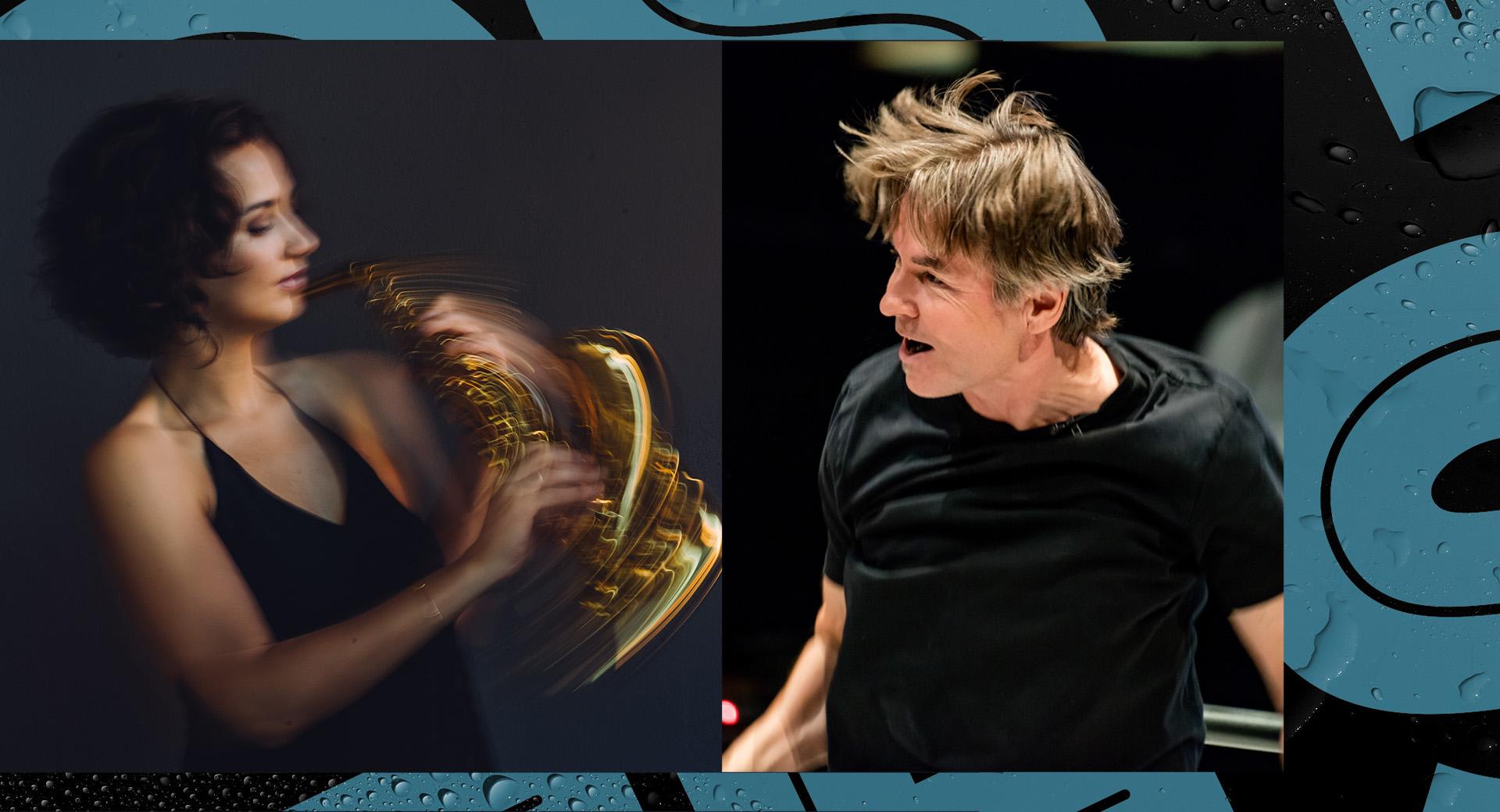 Date has passed29 August
Fate & guilt
The Baltic Sea Festival’s grand finale invites you to an evening of drama and rich sonorities. Esa-Pekka Salonen conducts the Swedish Radio Symphony Orchestra together with soprano Aphrodite Patoulidou, baritone Peter Mattei, and saxophonist Asya Fateyeva. A closing night where contemporary sound meets Nordic legend in a powerful musical encounter.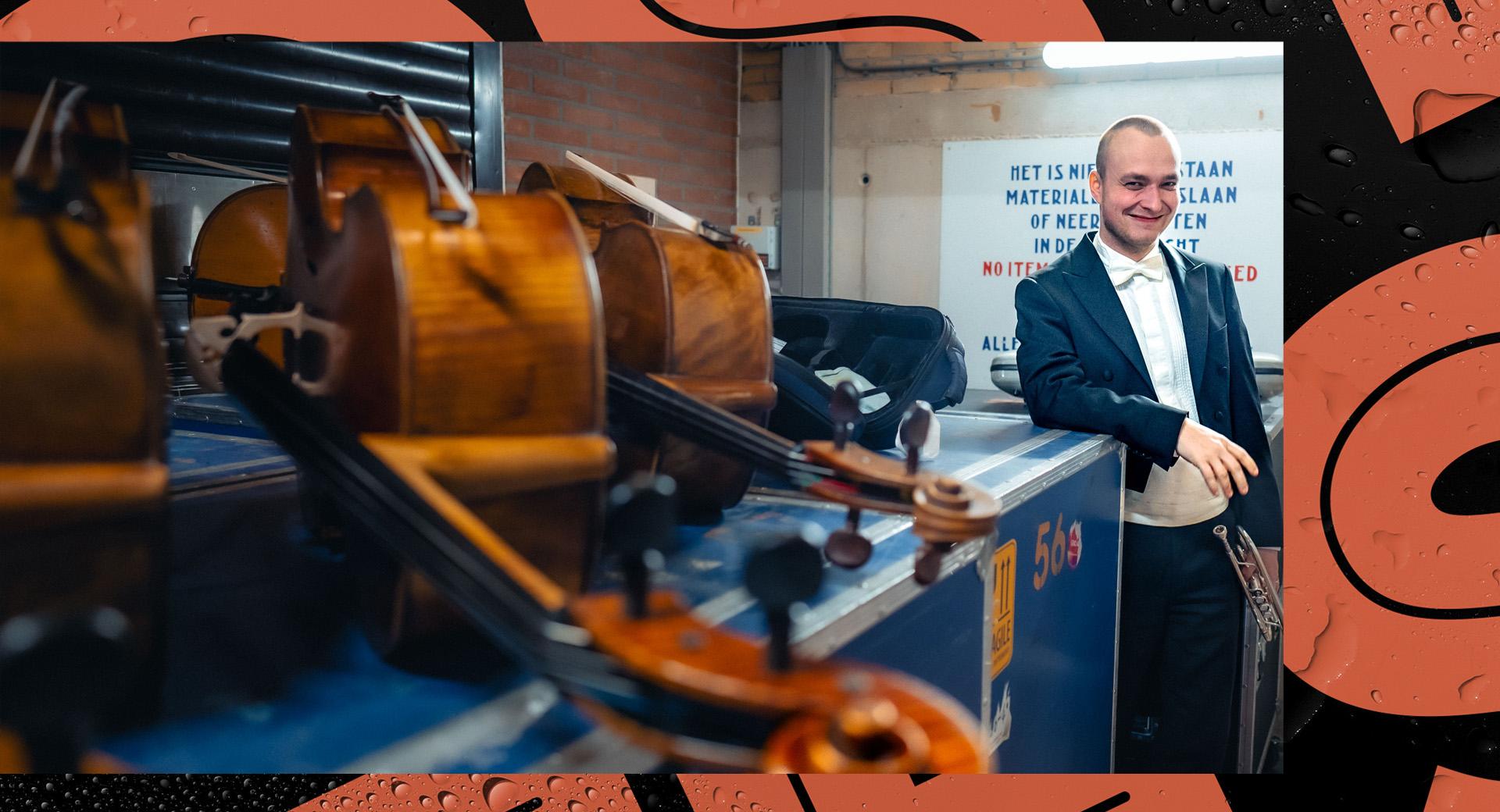 Date has passed27 August
Berwald’s septet and Dvořák’s Serenade for Strings
Musicians from the Czech Philharmonic and the Swedish Radio Symphony Orchestra meet in the Queen Silvia Concert Hall to perform chamber music by Franz Berwald and Antonín Dvořák.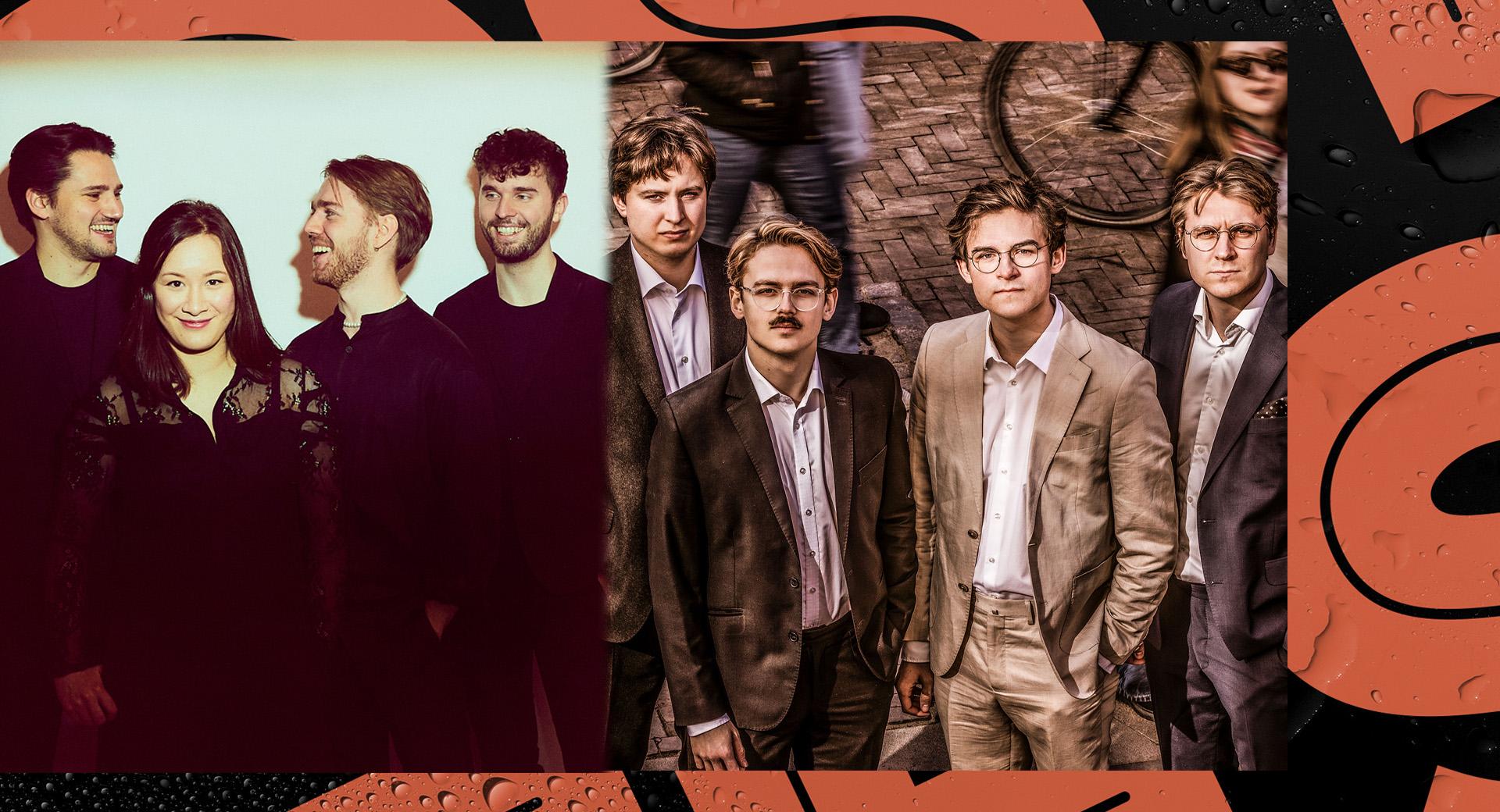 Date has passed29 August
Opus13 & Monbijou Quartet
Two of the most acclaimed string quartets of our time—Monbijou Quartet and Opus13—join forces in a programme that moves between contemporary sonic... Date has passed23 August
Schweitzer, Lyssarides & Co
Trombonist and big band leader Tilde Schweitzer and multi-award-winning pianist Joel Lyssarides take the stage at Fasching together with 16 string musicians in a concert that grew out of their shared love of the orchestral jazz tradition. Date has passed29 August
ARTS LAB at the Finnish Institute
Do you want to hear what the concert halls of the future might sound like? During the Baltic Sea Festival, you can meet the participants of ARTS LAB – a project that brings together promising instrumentalists and composers from across the Baltic Sea region in a creative collaboration. ARTS LAB unites participants handpicked from the Voksenåsen Talent Program and Creative Dialogue, coached by internationally renowned mentors. Date has passed22 Augusti
Family day and open house
Join the Baltic Sea Festival's traditional family day for all ages!