Mozart, Debussy and Roussel
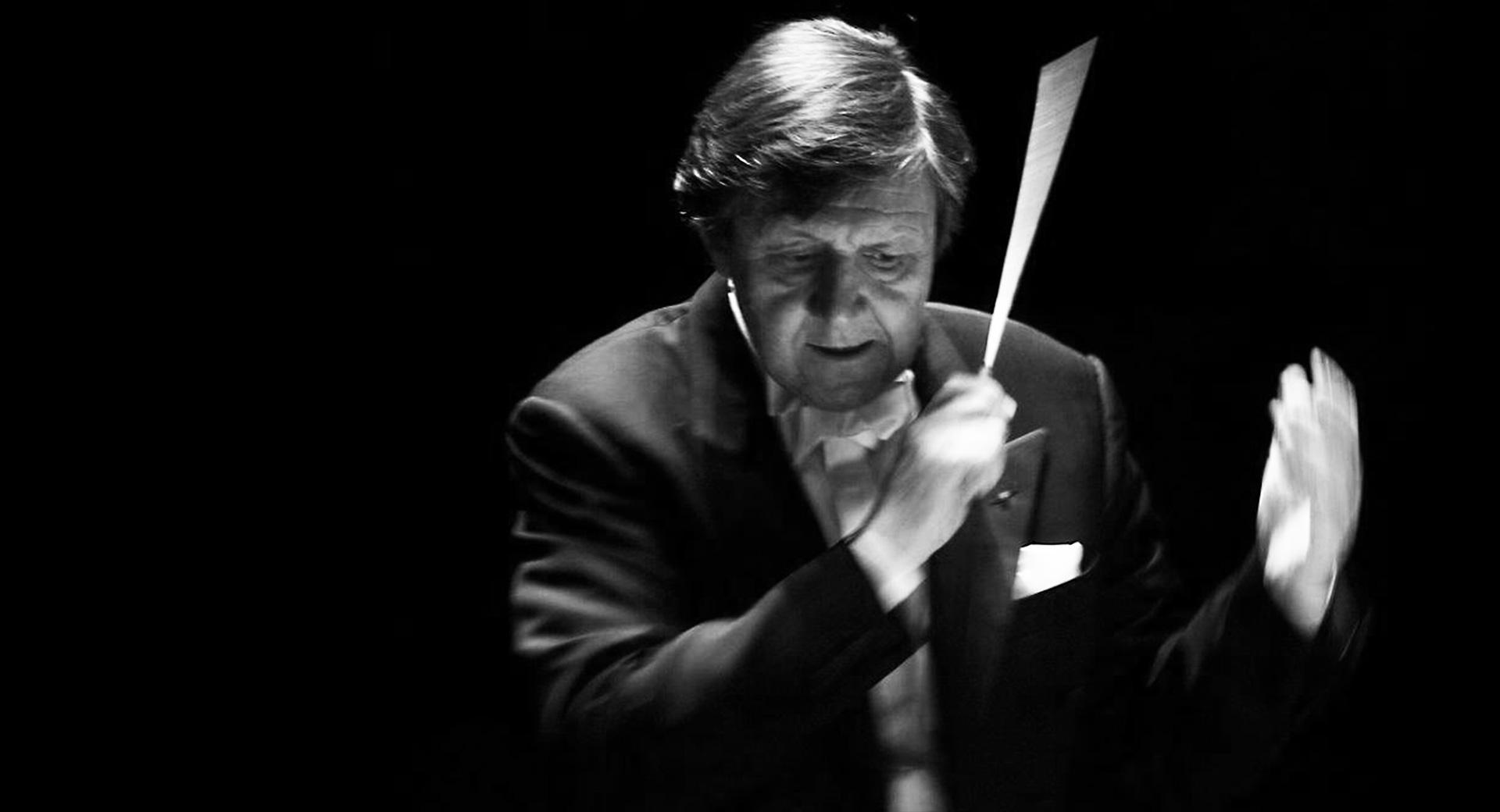
Listen to the 86-year-old Plasson, talk about the meeting with the Swedish Radio Symphony Orchestra during the rehearsals of the week’s French concert program with music by Fauré, Debussy and Roussel, as well as Mozart’s Piano Concert No. 24 with piano soloist Piotr Anderszewski.
This production is part of one or more concert series.
For Mozart, subscription concerts were an important source of revenue, not least after his settling down in Vienna. He wrote his own piano concertos for them, because, as we know, he could truly show off on the piano. He wrote at a furious pace; he seems to have composed Piano Concerto No. 24 in the three first weeks of 1783. Mozart described it to his father Leopold as “a happy medium between what is too simple and what is too difficult” for the audience. From the beginning, he had in mind an adagio as the middle movement, but did the audience really crave such seriousness? So, he chose an andante instead, in other words not as slow, but parts of the original idea crept into the quieter parts of the finale.
Pianist Piotr Anderszewski belongs to the very top tier of today’s musicians. He stands out among his peers by having made his own film, “Warszaw is my name”, in order to process his ambivalent feelings about his home country and he has also been portrayed in several works by documentary film-maker, Bruno Monsaingeon.
In the beginning, Albert Roussel was more interested in mathematics than music and his professional life began with seven years as a naval officer. Only at the age of 25, did he begin to devote himself entirely to music. As a composer, he became immensely respected over time by his contemporary peers and he himself trained students such as Erik Satie and Edgard Varèse. The high points of his creativity are his symphonies and three ballets, among them Bacchus and Ariadne from 1930, based on the Greek myth about the God of Wine and his infatuation with the princess Ariadne. The première was not a success due to various stage issues. Roussel, who fully believed in his music, then divided the ballet into two parts: The first act became Suite no. 1 and the second, Suite no. 2. The latter is the most performed by far; the concluding bacchanal and the crowning of Ariadne is among the most intoxicating music you can image.
Text: Gunnar Lanzky-Otto
Program change:
The conductor Alain Altinoglu is replaced by Michel Plasson. Mozart’s piano concert no. 13 was replaced by Mozart piano concerto no. 24 in c minor K. 491.
More concerts
 29 oktober185 - 325 kr
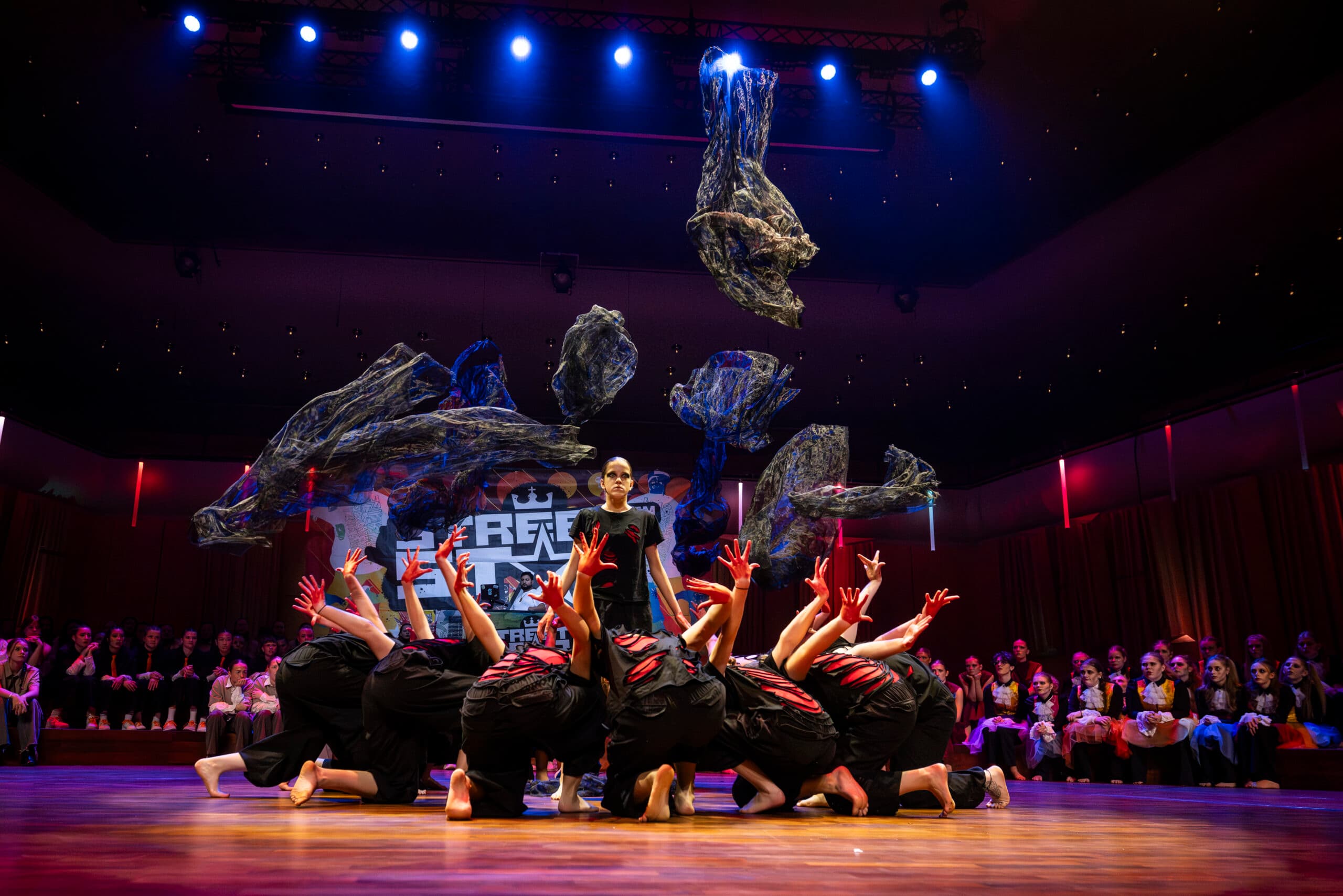
Streetstar Dance School Challenge 2026 – Next Generation 14–16's — Next Generation: 14–16's
Streetstar proudly presents the seventeenth edition of the Streetstar Dance School Challenge – one of Sweden’s largest and most anticipated dance competitions. This year’s major new feature is the Streetstar Showcase of the Year!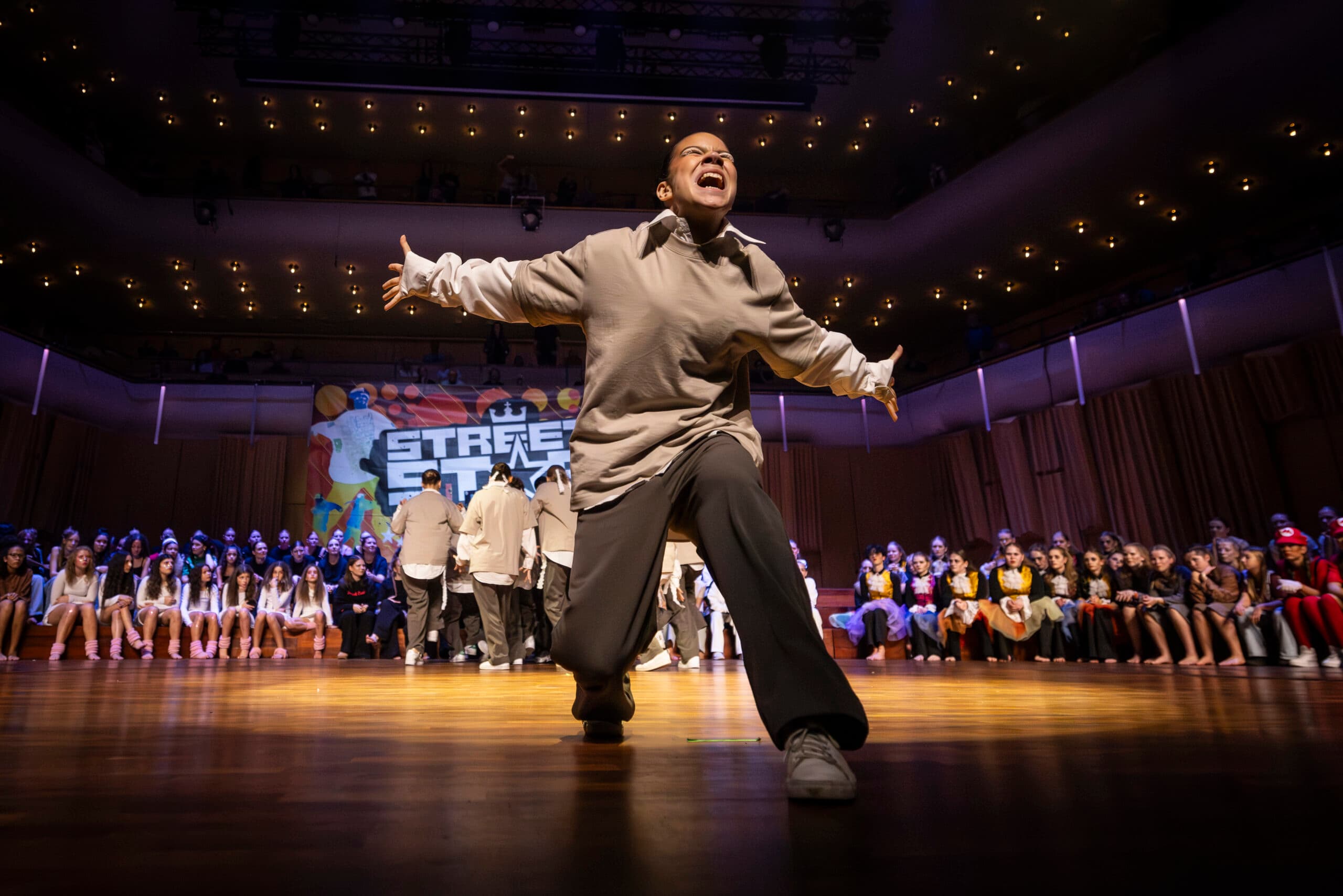 29 oktober185 - 325 kr
Streetstar Dance School Challenge 2026 – Next Generation: 17–19's — Next Generation: 17–19's
Streetstar proudly presents the seventeenth edition of the Streetstar Dance School Challenge – one of Sweden’s largest and most anticipated dance competitions. This year’s major new feature is the Streetstar Showcase of the Year!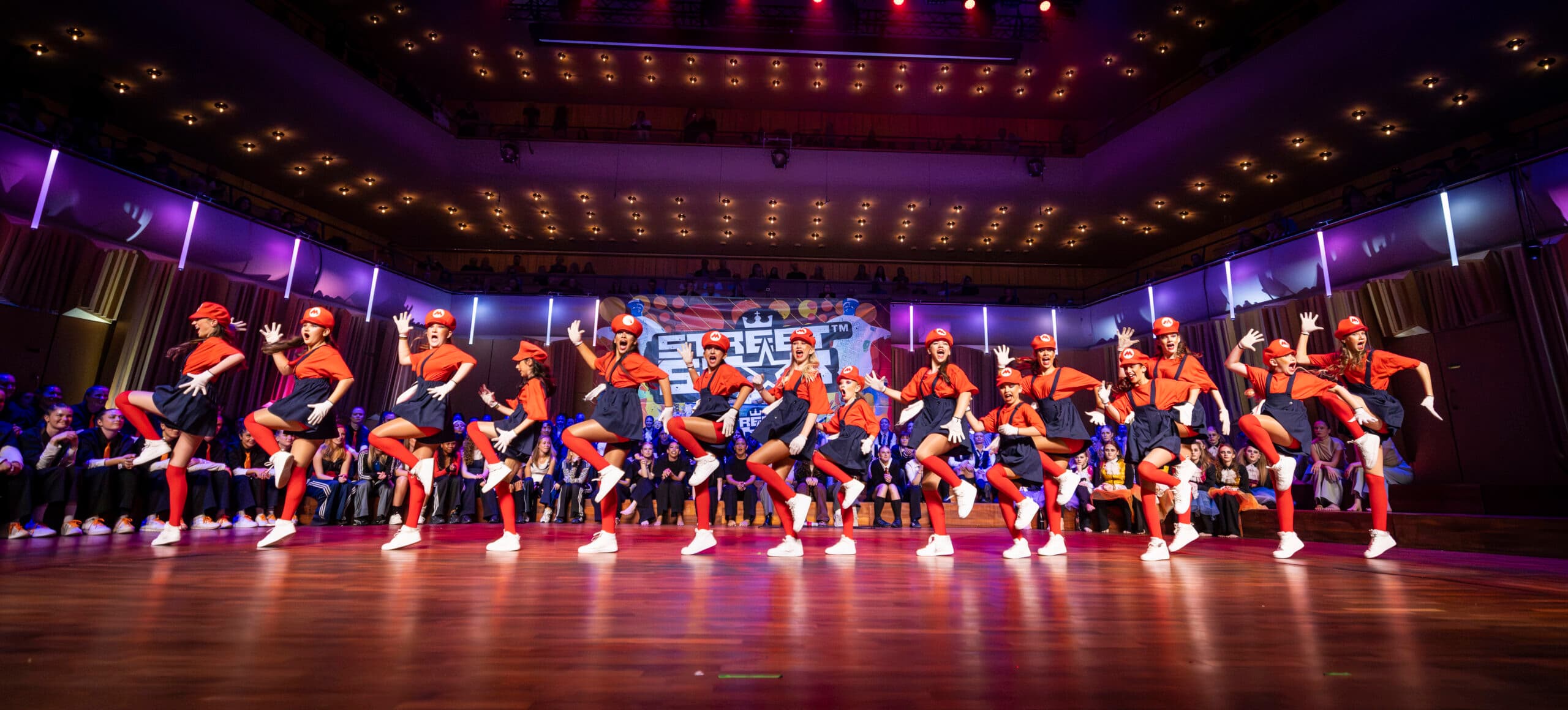 30 oktober185 - 325 kr
Streetstar Dance School Challenge 2026 – New Talent 8–13's — New Talent 8–13's
Streetstar proudly presents the seventeenth edition of the Streetstar Dance School Challenge – one of Sweden’s largest and most anticipated dance competitions. This year’s major new feature is the Streetstar Showcase of the Year!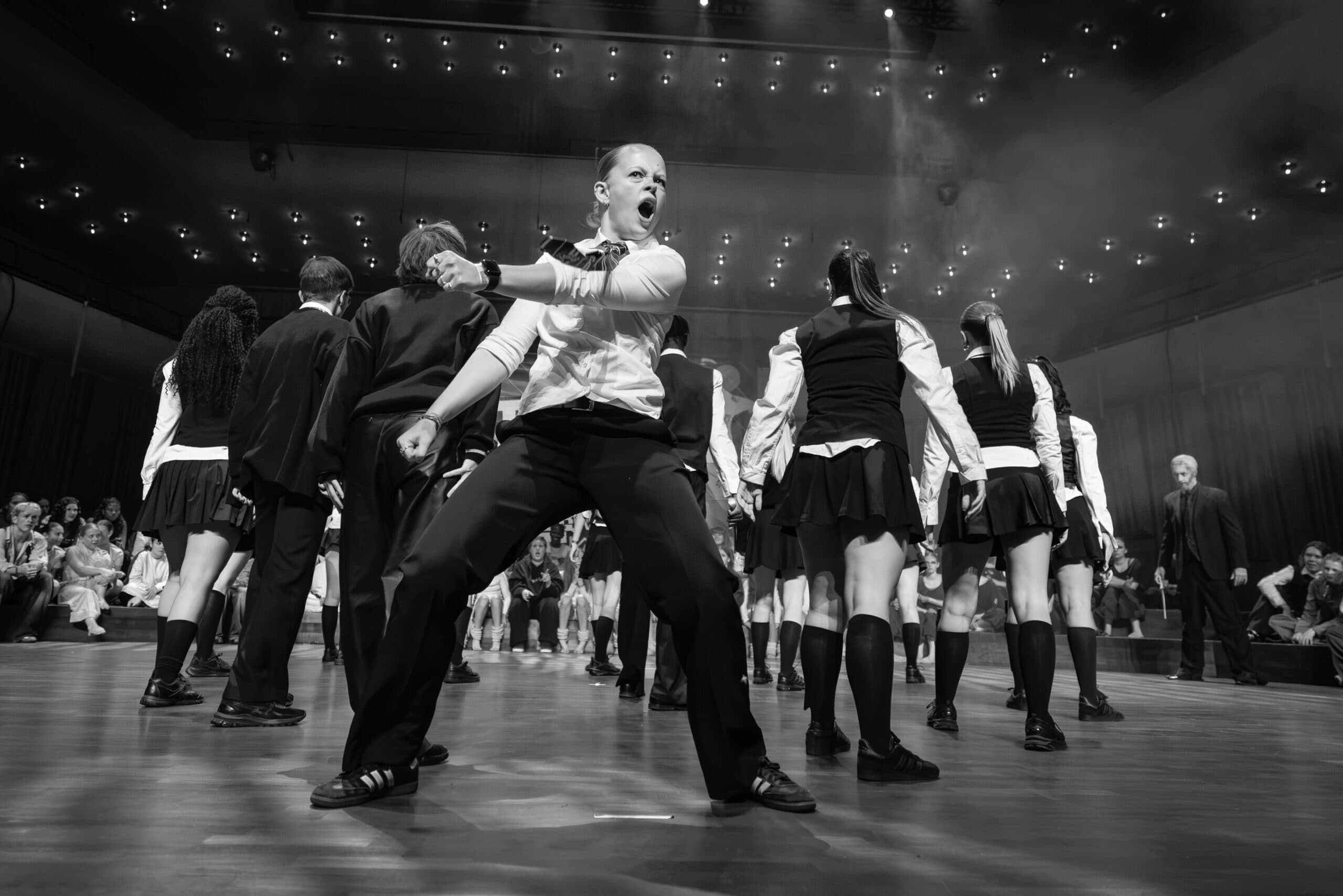 30 oktober185 - 325 kr
Streetstar Dance School Challenge 2026 – Showcase of the Year — Showcase of the Year
Streetstar proudly presents the seventeenth edition of the Streetstar Dance School Challenge – one of Sweden’s largest and most anticipated dance competitions. This year’s major new feature is the Streetstar Showcase of the Year!