Messiah
Georg Friedrich Handel’s oratorio Messiah, crowned by the famous Hallelujah Choir – a magnificent finale in which the joy of resurrection also frames this year’s festival theme, rebirth. Conductor Reinhard Goebel leads the Swedish Radio Symphony Orchestra, the Swedish Radio Choir, and soloists.
This production is part of one or more concert series.
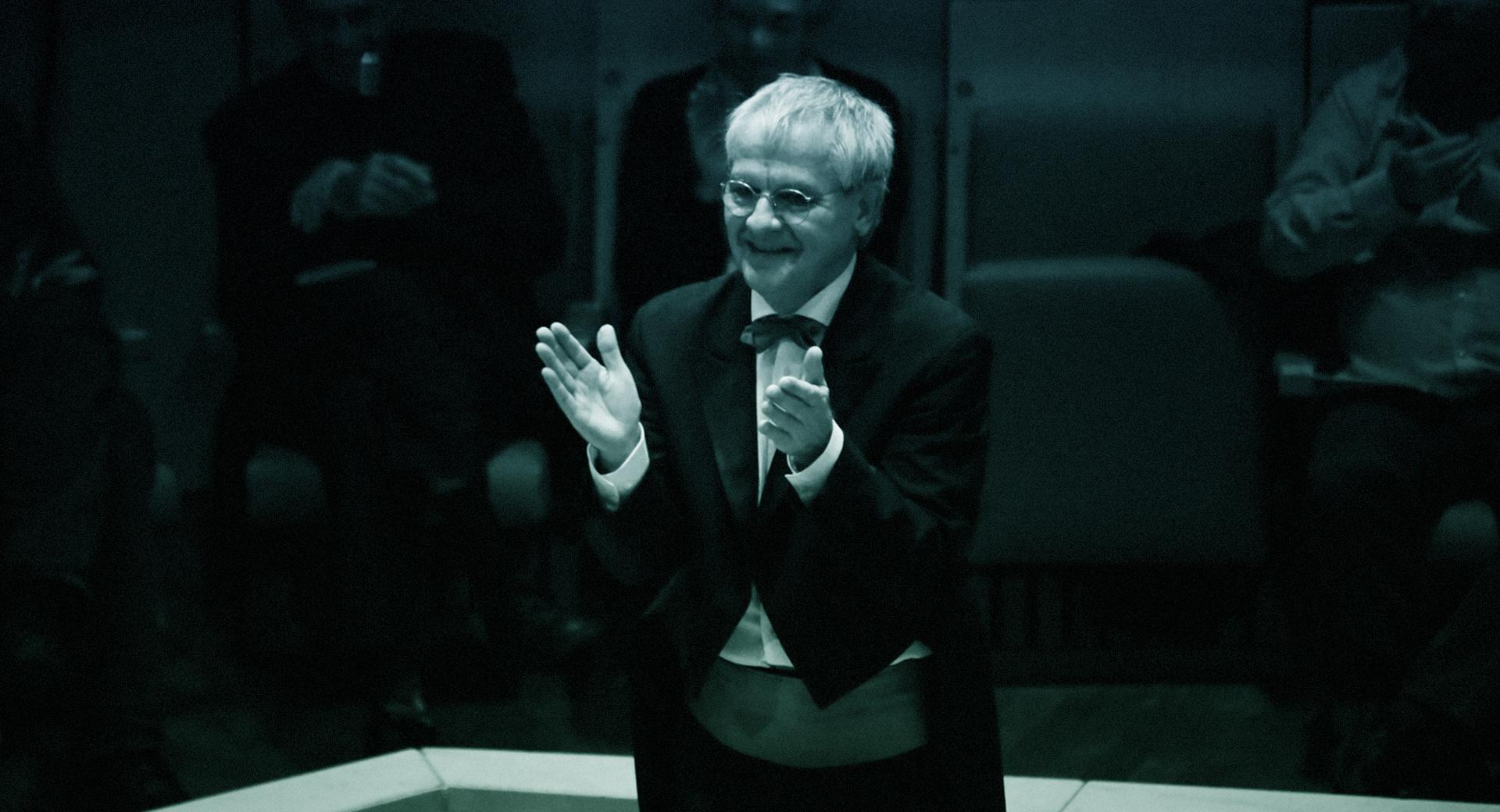
The Messiah oratorio is probably to be considered Georg Friedrich Handel’s best-known work, especially outside of England. Messiah is likely one of the world’s most famous and performed oratorios; a brilliant setting of texts from the Old and New Testaments to music, by one of the truly great masters of the baroque era.
Messiah had a triumphant premiere in Dublin in 1742. When it was first performed in London in 1745, the reception was decidedly cooler, which meant that only three concerts of the planned six took place. But when the piece was performed again, having been on ice for four years, it gained ground once more. The year thereafter saw the beginning of the annual Messiah charity concerts, which continued even after Handel’s death. In 1755, Handel’s poor eyesight stopped him from leading the performances, and the baton was handed over to one of the composer’s students. Fate wanted the Messiah concert in London, 1759, to be the final concert Handel attended, eight days before he died.
Handel reworked Messiah a number of times, sometimes to adapt the piece for the various soloists that were at his disposal at the time. Others, such as Mozart, have also reworked the oratorio. Several versions, modified for the tastes of the time, were created in the 1800s, sometimes leading to monumental performances with up to 800 performers. These days, as is the case here, a more ‘Handel-faithful’ version is often performed. A complete Messiah with 68 movements and a concert length of two and a half hours is a rare occurrence.
In the 1750s, Messiah went into the world to convert new concert audiences. The piece spread from England to the European continent and the US. The oratorio, or parts of it, started being performed at concerts, festivals and religious services, and this has continued ever since. A strong tradition of performing Messiah at Christmas – if not the whole oratorio, then at least the now iconic Hallelujah chorus – has also developed.
Karin Ekedahl
More concerts
 21 October100 - 420 kr
Discover fin-de-siècle ballet
Through the turn of the century ballet music, a world of rhythms, colours and modernist imagination opens, as Anton Holmer makes his debut with the Swedish Radio Symphony Orchestra. Gregor Zubicky guides you through the music created for the iconic Swedish Ballet and Ballets Russes in Paris.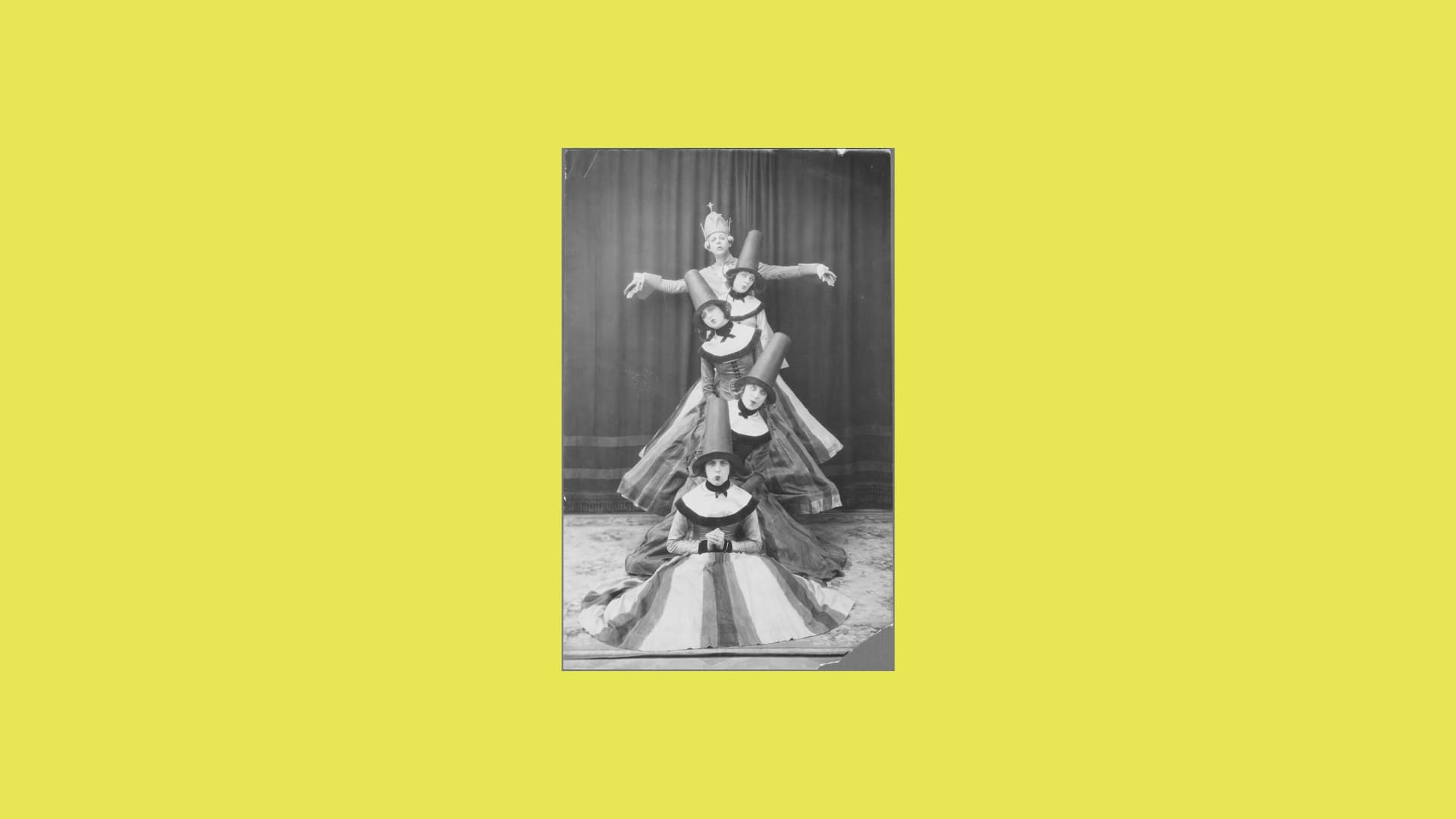 22 October100 - 420 kr
Ballet at the turn-of-the-century
When the turn of the century dance scene underwent major changes, a new world of sounds, colours and rhythmic imagination opened. Under the direction of Anton Holmer, the Swedish Radio Symphony Orchestra takes you through a time when ballet moved from playful folk to modernist elegance. Few seats remaining24 October180 kr
Humlan Djojj on an adventure with the Swedish Radio Symphony Orchestra
When Humlan Djojj loses his way, he ends up in the middle of Berwaldhallen, surrounded by a live orchestra buzzing like a whole world of insects. Together with his friends and the musicians, Djojj sets off on a playful musical adventure. A warm and interactive concert experience for the whole family, where Djojj’s Grammy-nominated music meets the Swedish Radio Symphony Orchestra.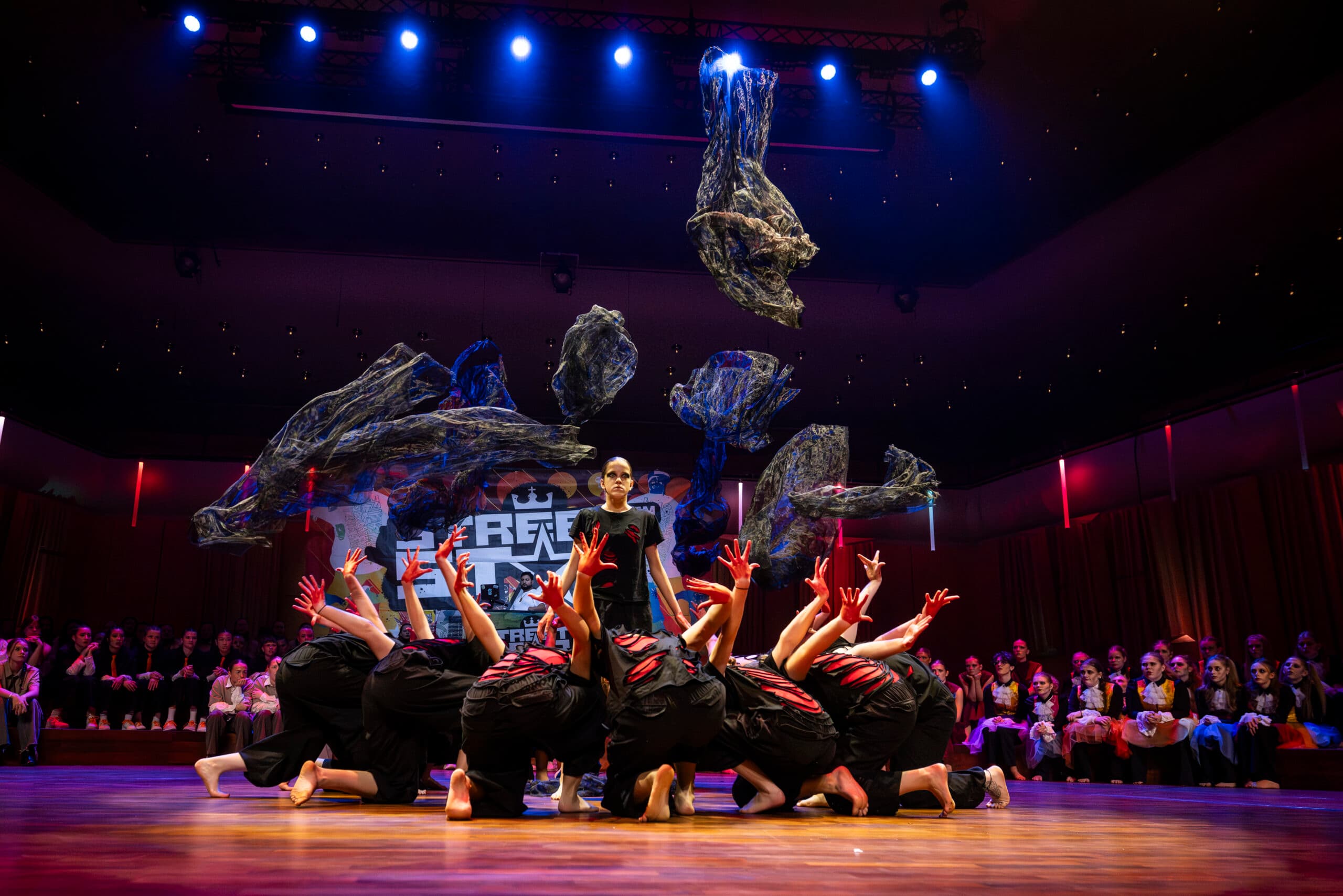 29 oktober185 - 325 kr
Streetstar Dance School Challenge 2026 – Next Generation 14–16's — Next Generation: 14–16's
Streetstar proudly presents the seventeenth edition of the Streetstar Dance School Challenge – one of Sweden’s largest and most anticipated dance competitions. This year’s major new feature is the Streetstar Showcase of the Year!