Leif Ove Andsnes in Beethoven´s Emperor Concerto
Vienna was under attack from Napoleon’s army as Beethoven composed his fifth piano concerto, Lilli Boulanger wrote D’un matin du printemps when World War I was still raging. Igor Stravinsky’s ballet Petrushka, written in 1911, is the story of a straw doll, a kind of antihero, which many consider the embodiment of the Russian people under the tsar. All the works performed this evening can be said to revolve around, and were directly or indirectly influenced by, major events where a hero for some was considered an enemy by others. Santtu-Matias Rouvali conducts Gothenburg Symphony Orchestra and pianist Leif Ove Andsnes in this multifaceted concert.
This production is part of one or more concert series.
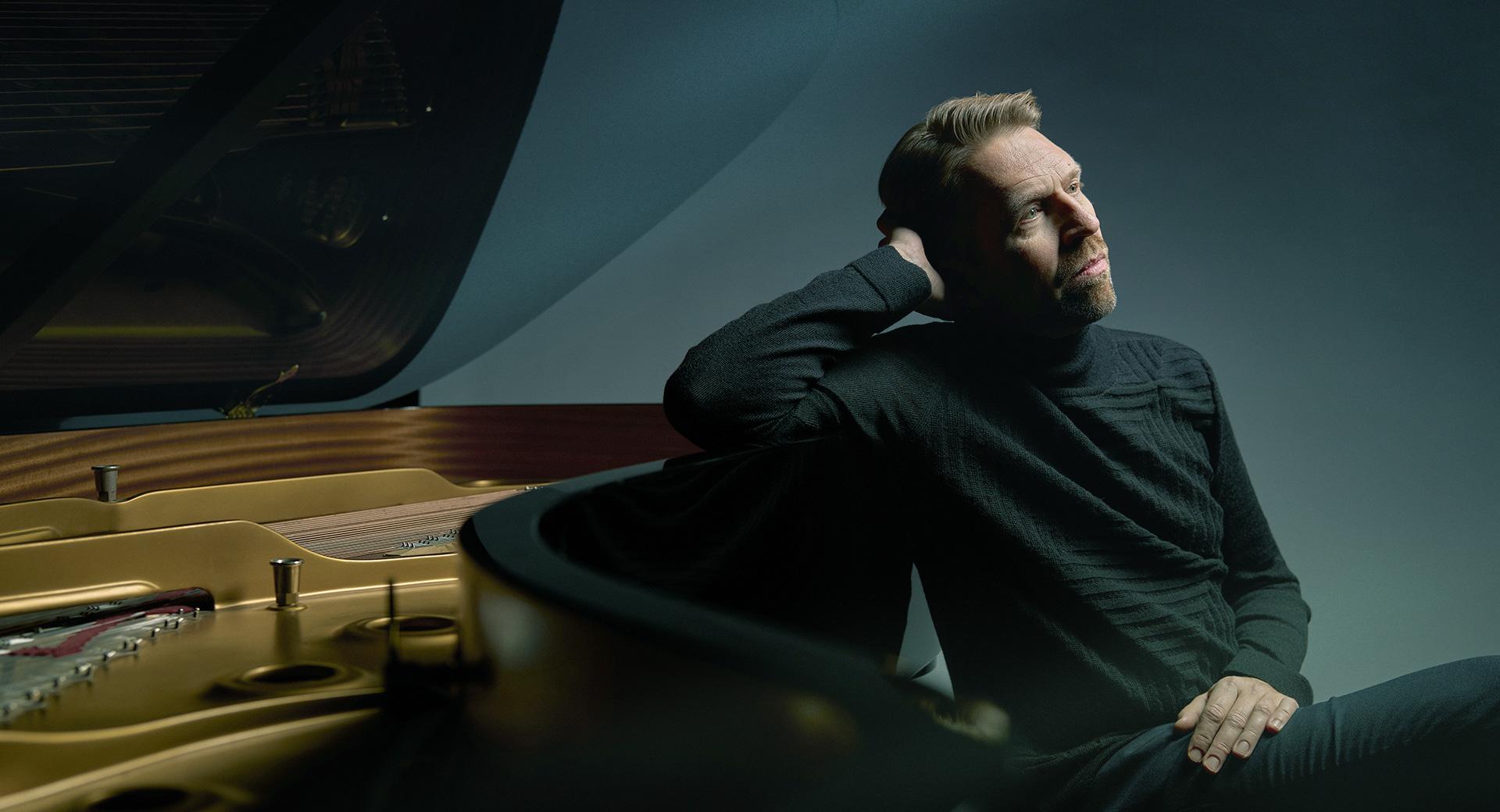
At the concert in Berwaldhallen Gothenburg Symphony Orchestra led by chief conductor Santtu-Matias Rouvali, are joined by internationally acclaimed Leif Ove Andsnes, the Norwegian pianist who was artist in residence with the orchestra in 2019–2020. He often travels with Beethoven.
Beethoven wrote his fifth piano concerto in Vienna in 1809, while Napoleon’s forces were attacking the city. He occasionally had to seek protection in his brother’s cellar, and his fear is tangible. The composer was at this time also being plagued by his deafness, but he nevertheless composed a work that from the orchestral hammer blows and rolling piano cascades of the introduction through to the third movement’s brilliant coda is full of surprises, original ideas, moving melodies and a belief that music and art can change the world. The piano concerto was subsequently dubbed the Emperor Concerto, and it is notable for its military characteristics – roaring canons, march rhythms and trumpet fanfares being discernible in this nevertheless optimistic piece, which Beethoven was never able to perform.
– “It is known how isolated Beethoven was at this time. He had fully grasped the seriousness of his disability, and was unable to play the concerto himself. This must have given him a huge sense of failure, yet there’s no trace of self-pity in the music. I can hardly imagine someone sitting and writing this music – a composition so incredibly beautiful that it would seem to have existed for ever,” says Leif Ove Andsnes about this work, which he has performed many times all over the world.
Simplicity and light also characterise Lili Boulanger’s D’un matin de printemps (One spring morning) – the second part of a diptych created by the French composer towards the end of her very short life. The two pieces making up this diptych process the same melodic and rhythmic themes in different ways. But whilst its sister piece D’un soir triste is slow and elegiac, D’un matin de printemps creates an almost cheerful impression, full of life, energy and expectation. The modal harmonies, playfulness and rhythmic refinements clearly show the influence of impressionism and Debussy.
Stravinsky’s Petrushka is also bursting with infectious rhythms, and its melodies are in part taken from old Russian folk songs. Having begun his collaboration with Sergei Diaghilev at the Ballets Russes in Paris, Stravinsky suddenly had the idea of writing music about a puppet that comes to life and starts challenging the orchestra’s patience – an idea he obstinately pursued. It was conceived as a work for orchestra and piano, but under pressure from Diaghilev the composer developed this idea into a ballet, which was choreographed by Michel Fokine and became a great success in Paris. The music is now usually performed in a burlesque concert version comprising four tableaus, in which Petrushka ends up in a love triangle with the Ballerina and the Moor on a wintry marketplace in St Petersburg.
Text: Anna Hedelius
More concerts
 Date has passed24 October 2026
Humlan Djojj on an adventure with the Swedish Radio Symphony Orchestra
When Humlan Djojj loses his way, he ends up in the middle of Berwaldhallen, surrounded by a live orchestra buzzing like a whole world of insects. Together with his friends and the musicians, Djojj sets off on a playful musical adventure. A warm and interactive concert experience for the whole family, where Djojj’s Grammy-nominated music meets the Swedish Radio Symphony Orchestra.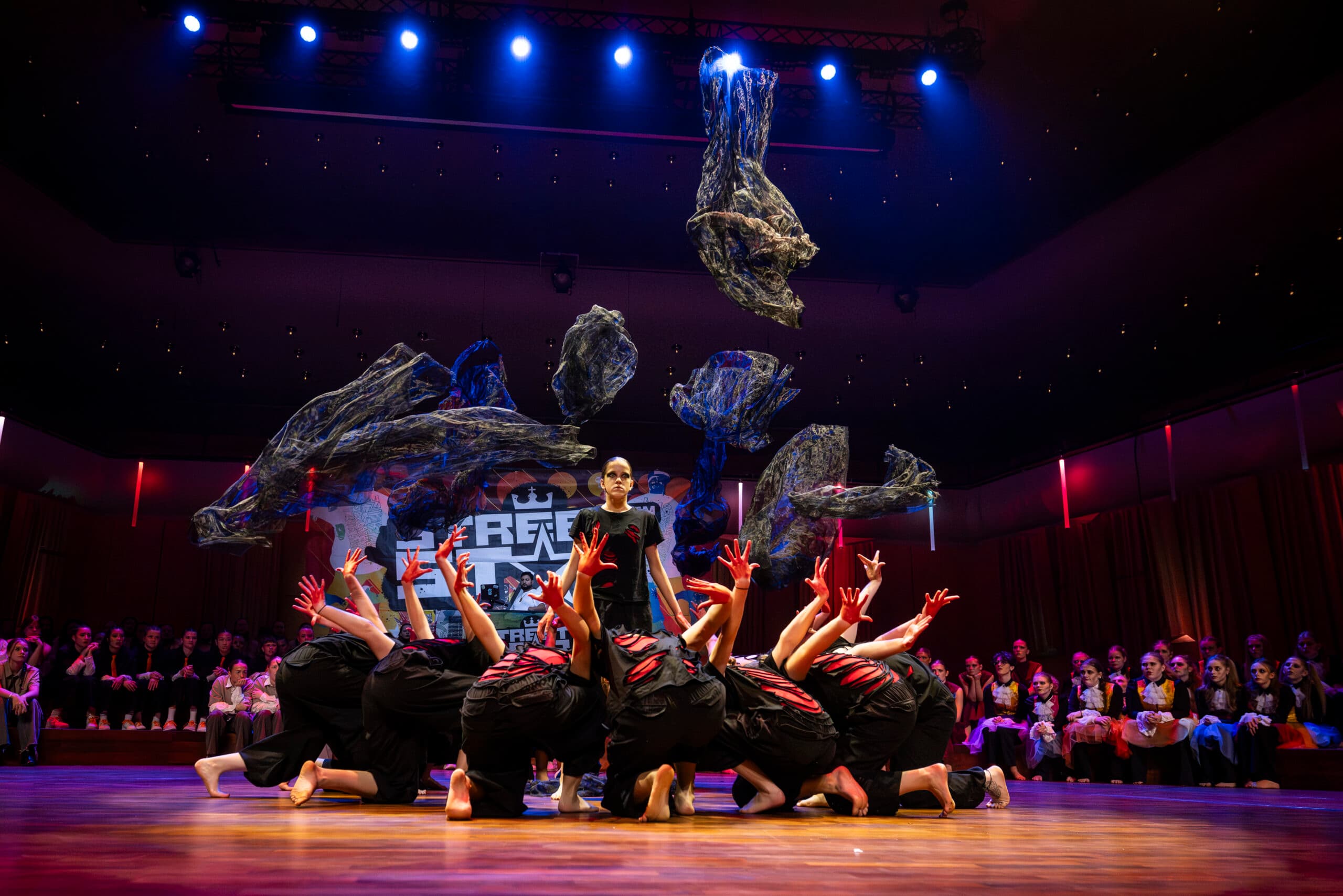 29 oktober185 - 325 kr
Streetstar Dance School Challenge 2026 – Next Generation 14–16's — Next Generation: 14–16's
Streetstar proudly presents the seventeenth edition of the Streetstar Dance School Challenge – one of Sweden’s largest and most anticipated dance competitions. This year’s major new feature is the Streetstar Showcase of the Year!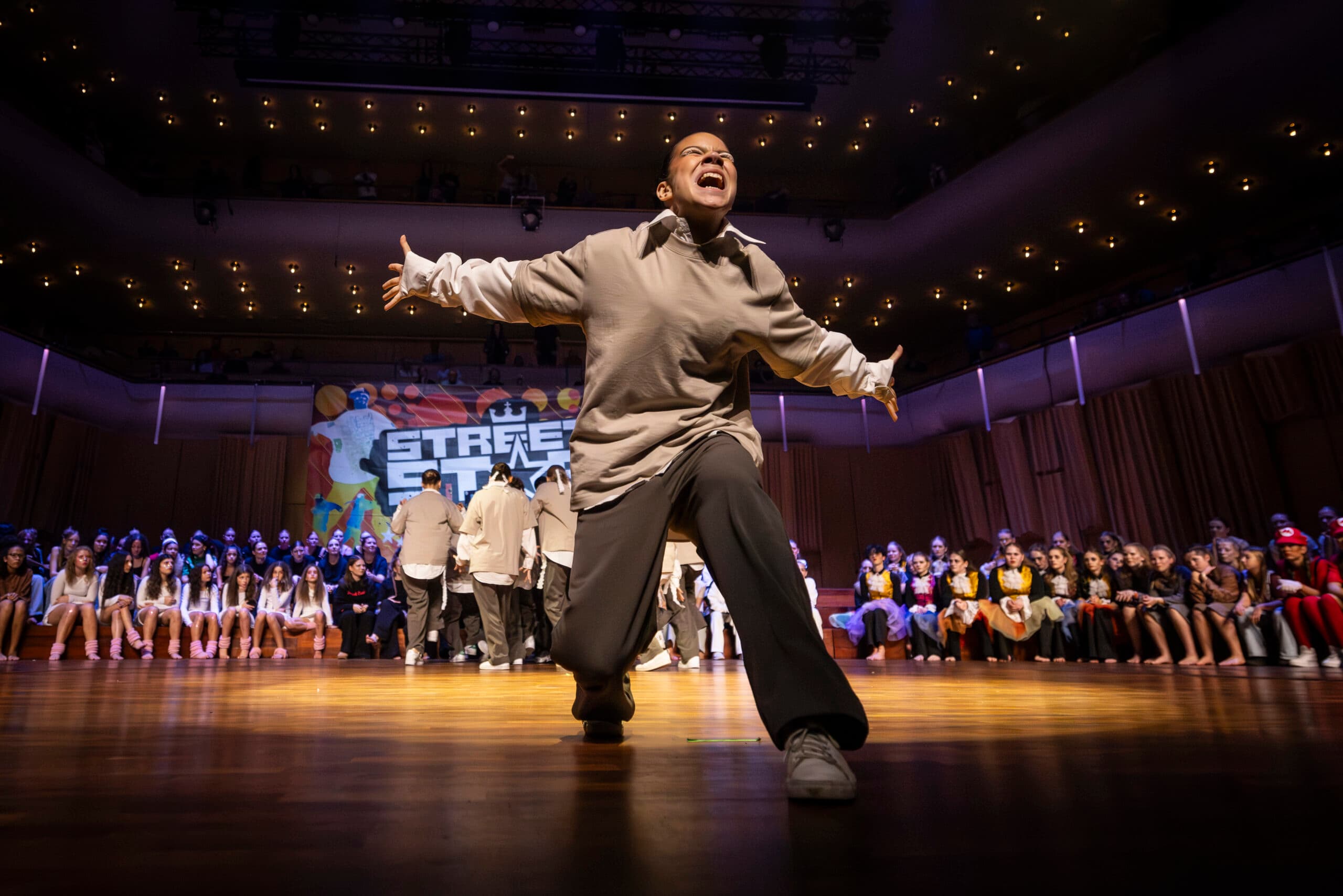 29 oktober185 - 325 kr
Streetstar Dance School Challenge 2026 – Next Generation: 17–19's — Next Generation: 17–19's
Streetstar proudly presents the seventeenth edition of the Streetstar Dance School Challenge – one of Sweden’s largest and most anticipated dance competitions. This year’s major new feature is the Streetstar Showcase of the Year!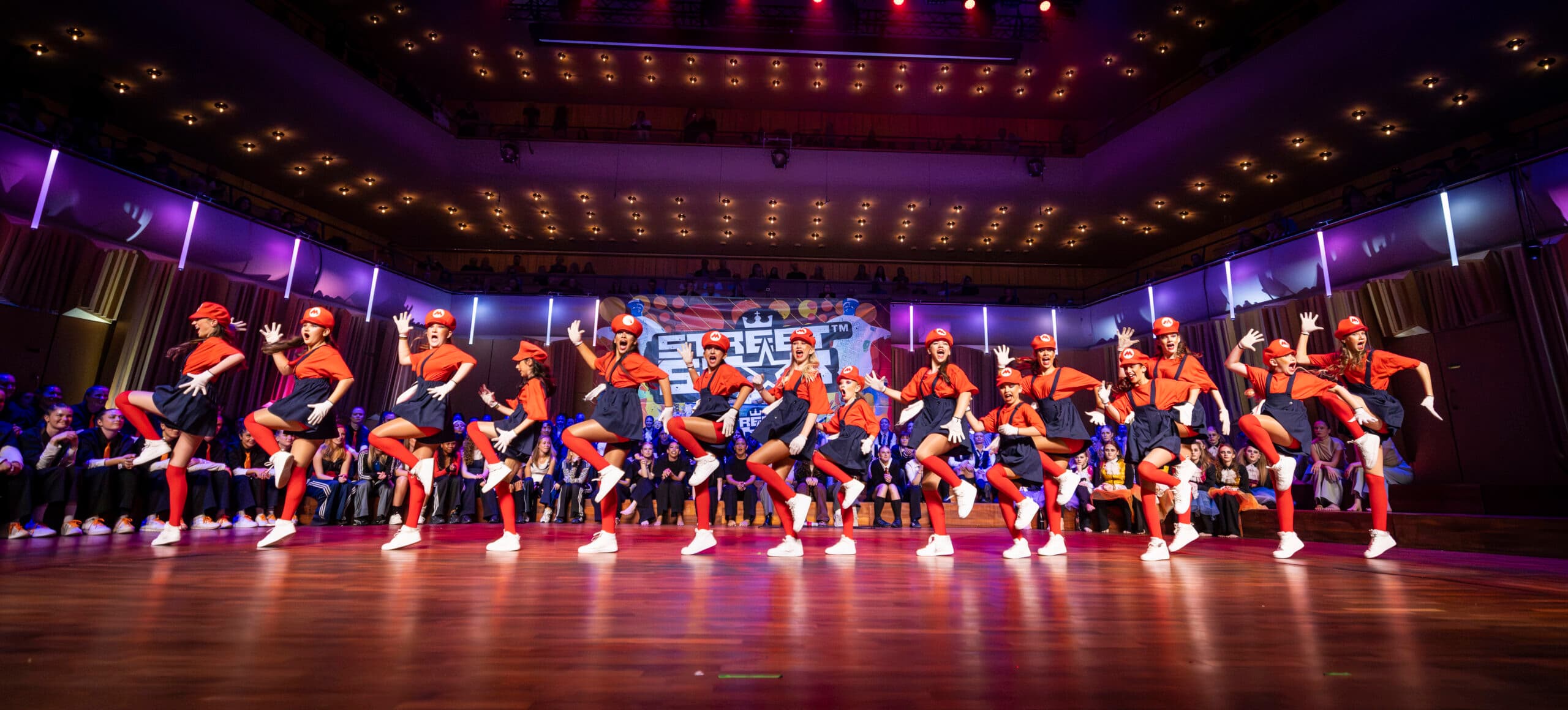 30 oktober185 - 325 kr
Streetstar Dance School Challenge 2026 – New Talent 8–13's — New Talent 8–13's
Streetstar proudly presents the seventeenth edition of the Streetstar Dance School Challenge – one of Sweden’s largest and most anticipated dance competitions. This year’s major new feature is the Streetstar Showcase of the Year!