Brahms’s Requiem
Brahms wanted to write a requiem mass that spoke directly to humans, not to God, like what Luther did with his German Bible roughly 300 years earlier. In other words, the title refers to the language and not the audience; Brahms himself said that he would have gladly called it ”a human requiem”, and the work’s persisting tender, sympathetic humanism is apparent right from the very first line: ”Blessed are they that mourn, for they shall be comforted.”. Thursday’s concert will be livestreamed on Play.
This production is part of one or more concert series.
When Brahms thought about creating a requiem, he could have chosen the same route that Berlioz had previously taken, and as Verdi would later take, and written colossal work that required large resources. However, his talent did not lie in composing on the grand scale and even the symphonies are written for a rather moderate orchestra. Brahms never gave us an opera and he worked constantly to convey as much as possible with as few expressions and resources as possible.
A German Requiem is Brahms’s longest work and you can find traces of the music as early as 1861 when Brahms started composing a funeral cantata in two movements. The idea of setting the music to selected parts of Luther’s German Bible translation, instead of the regular mass in Latin, may stem from a conversation with his colleague Robert Schumann. Several years later, Brahms learned through Schumann’s widow Clara, that Schumann had intended to compose a funeral mass with the same title. But it is only after Brahms’s beloved mother dies in 1865 that the work on A German Requiem gains momentum, and for Brahms it was a grieving process. The composer stated in a conversation that he could very well call the work “Ein menschliches Requiem”, A Human Requiem.
Brahms’ A German Requiem differs from the traditional requiem. Instead of grieving the dead, the work is very much aimed at the living in order to provide solace and spiritual relief. For him, it was important to avoid the custom of a grand “Dies Irae”, day of wrath. Work on the composition was not very easy, and the German requiem only reached its definitive form in 1869, when it was premièred in Leipzig.
We are very pleased to welcome Matthias Goerne, a native of Weimar, back to Berwaldhallen. Goerne is one of the most appreciated baritone soloists currently performing and the collaboration between the Swedish Radio Symphony Orchestra, Harding and Goerne has previously resulted in a critically acclaimed Wagner project released on CD by Harmonia Mundi. Equally welcome is Belgian soprano Sophie Karthäuser, who is highly sought after on the world’s major stages. Karthäuser is just as comfortable with Monteverdi as with Mozart, Debussy and Brahms.
Brahms was a great humorist and he wrote to a friend about the harp’s first movement: “I really made an effort to conceal the harp’s first contribution to the requiem, so that the attention-seeking instrument would not stand out as a mere effect.” A German Requiem is a much loved, intense, work that is performed frequently all over the world.
Text: Thomas Roth
Change of soloist
Soprano Sophie Karthäuser sets due to illness. Sylvia Schwartz will replace the concerts October 17th and 18th. Christiane Karg will replace the concert on October 20th.
The concert on October 17th will be camera recorded.
The concert on October 18th will be streamed live on this website.
More concerts
 21 October100 - 420 kr
Discover fin-de-siècle ballet
Through the turn of the century ballet music, a world of rhythms, colours and modernist imagination opens, as Anton Holmer makes his debut with the Swedish Radio Symphony Orchestra. Gregor Zubicky guides you through the music created for the iconic Swedish Ballet and Ballets Russes in Paris.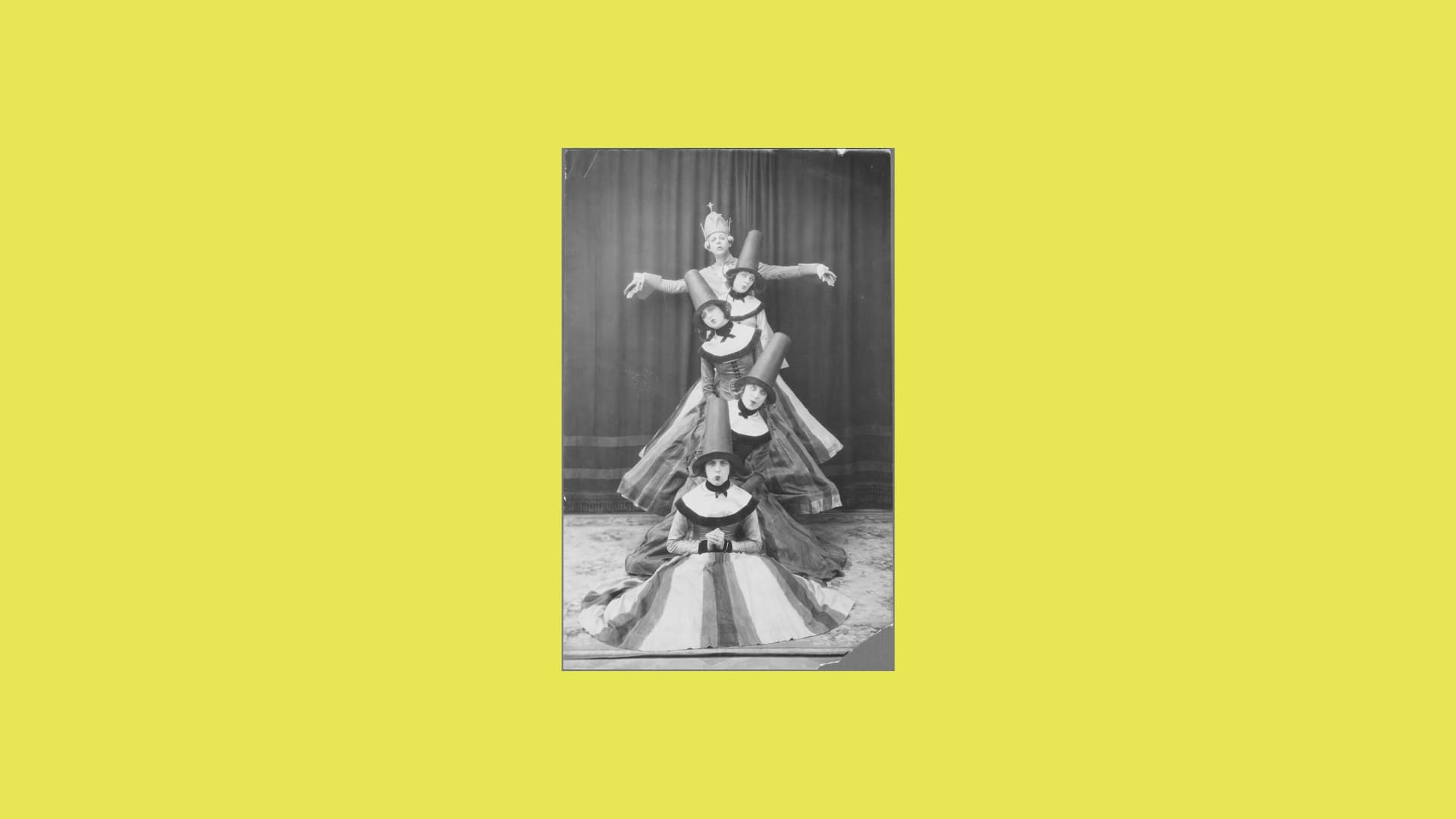 22 October100 - 420 kr
Ballet at the turn-of-the-century
When the turn of the century dance scene underwent major changes, a new world of sounds, colours and rhythmic imagination opened. Under the direction of Anton Holmer, the Swedish Radio Symphony Orchestra takes you through a time when ballet moved from playful folk to modernist elegance. Few seats remaining24 October180 kr
Humlan Djojj on an adventure with the Swedish Radio Symphony Orchestra
When Humlan Djojj loses his way, he ends up in the middle of Berwaldhallen, surrounded by a live orchestra buzzing like a whole world of insects. Together with his friends and the musicians, Djojj sets off on a playful musical adventure. A warm and interactive concert experience for the whole family, where Djojj’s Grammy-nominated music meets the Swedish Radio Symphony Orchestra.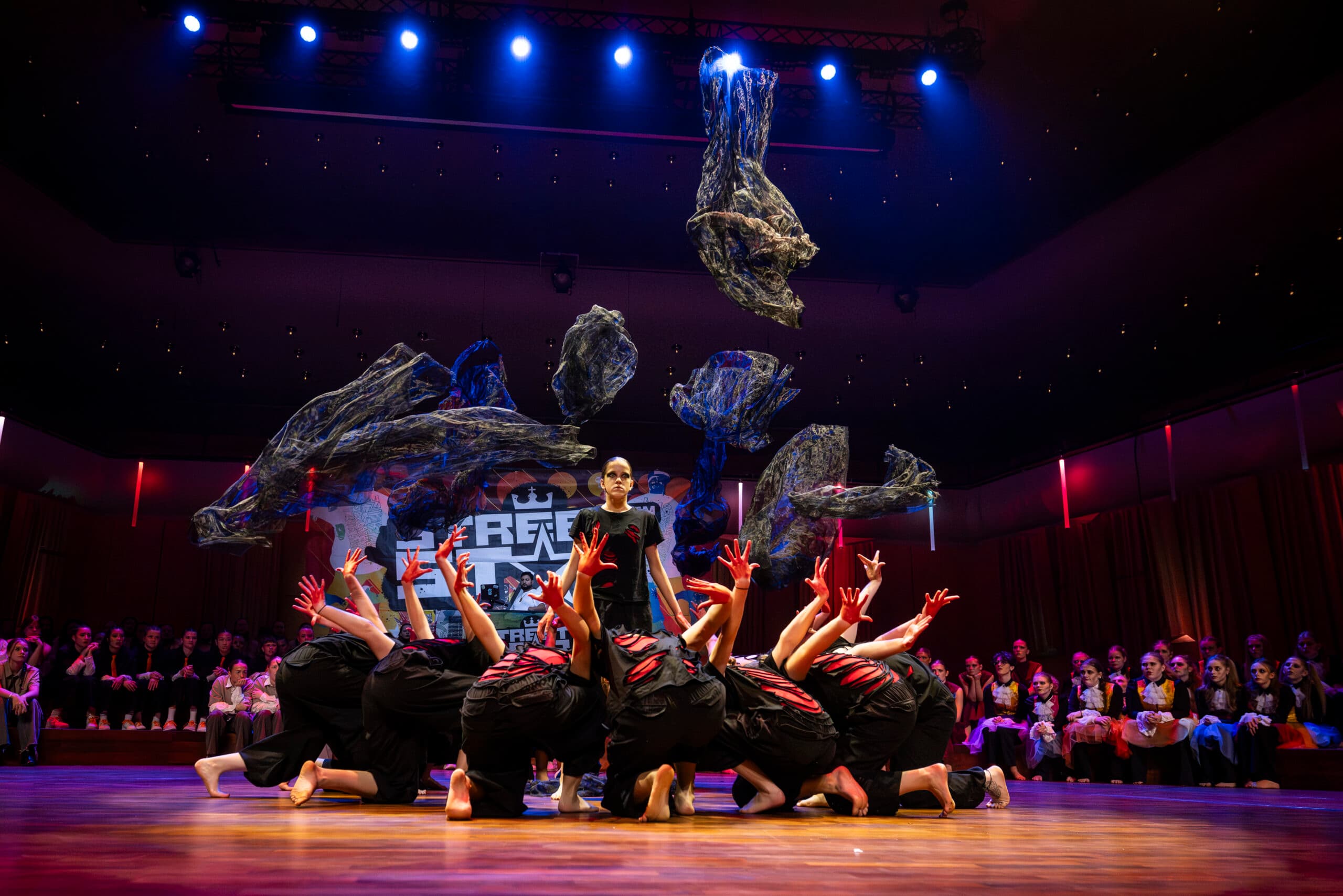 29 oktober185 - 325 kr
Streetstar Dance School Challenge 2026 – Next Generation 14–16's — Next Generation: 14–16's
Streetstar proudly presents the seventeenth edition of the Streetstar Dance School Challenge – one of Sweden’s largest and most anticipated dance competitions. This year’s major new feature is the Streetstar Showcase of the Year!