The Swedish Radio Choir: A Night of Dreams
The Swedish Radio Choir invites us to the realm of dreams in this vertiginous concert. Greek gods soothe us in Richard Strauss’ Der Abend before we are guided through nocturnal landscapes. For example when the choristers’ voices are transformed and distorted electronically, as in Märt-Matis Lill’s yoik-like The Dream Stream, or in Arnold Schönberg’s Friede auf Erden, which span from the greatest depths to the most exultant beauty.
This production is part of one or more concert series.
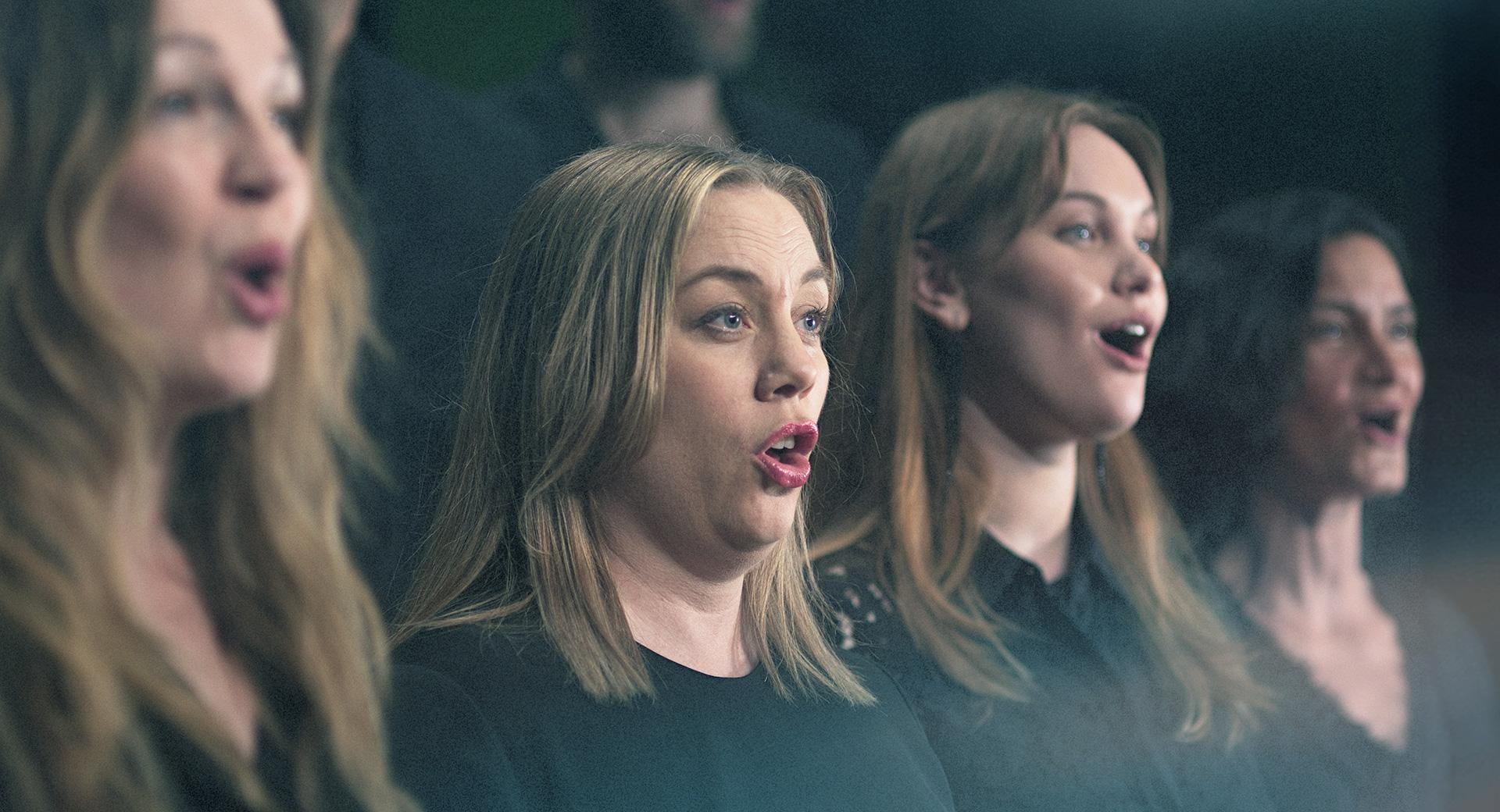
Richard Strauss composed Der Abend (The Evening) for 16-part a capella choir, based on a poem by Friedrich Schiller (1759–1805), in 1897. Strauss, the Romantic, adheres closely to the text, and tone paints with close harmonies. The sopranos’ pianissimo high G sets off a magnificent glowing sunset, with the fading light illustrated by falling lines throughout the rest of the piece as night falls.
Kaija Saariaho’s music often includes some kind of electronic manipulation, as in the choral piece Nuits, adieux (1991–1996). This suggestive piece depicts the bittersweet paradox of having to wake up and bid farewell to the night and dreams. The work is in two parts, the first is based on an excerpt from the 1990s novel Echanges de la lumière (Exchange of light) by Jacques Roubad (b. 1932), the other on the philosophical novel Séraphîta (1834) by Honoré de Balzac (1799–1850).
Victoria Vita Polevá is an acclaimed, contemporary Ukrainian composer. Her creative style has developed from the avantgarde and polystylism to “sacred minimalism”, a style defined by a minimalist aesthetic focusing on a distinctly religious or mystical topic. The work performed here was commissioned by the Baltic Sea Festival.
Arnold Schönberg wrote his a cappella choral work Friede auf Erden (Peace on Earth) in 1907, originally intended for a competition, but it was not performed until 1911. It was the final important work of his tonal period, before he began experimenting with atonality, that would lead up to his ground-breaking 12-tone technique. The text is from a poem by Conrad Ferdinand Meyer (1825–1898), written for the 1886 Christmas edition of the family magazine Schorers Familienblatt. Apart from the account of the birth of Christ in the first verse, it is more profane than spiritual in nature.
Märt-Matis Lill’s The Dream Stream for chorus and electronics (2015) takes inspiration from the Sami yoik Niehkkoája (Sleep River), which Lill once heard performed in Finland. The Sami yoik is used to communicate a certain state of mind; for example a waking dream. In Niehkkoája the singer envisages a butterfly fluttering upstream above a rivulet. In Lill’s work it is sung by a solo base, surrounded by the chorus’ wordless harmonic complexity and movement. Lill uses electronics, for example to depict natural phenomena such as running water at the end of the piece.
Text: Andreas Konvicka
More concerts
 21 October100 - 420 kr
Discover fin-de-siècle ballet
Through the turn of the century ballet music, a world of rhythms, colours and modernist imagination opens, as Anton Holmer makes his debut with the Swedish Radio Symphony Orchestra. Gregor Zubicky guides you through the music created for the iconic Swedish Ballet and Ballets Russes in Paris.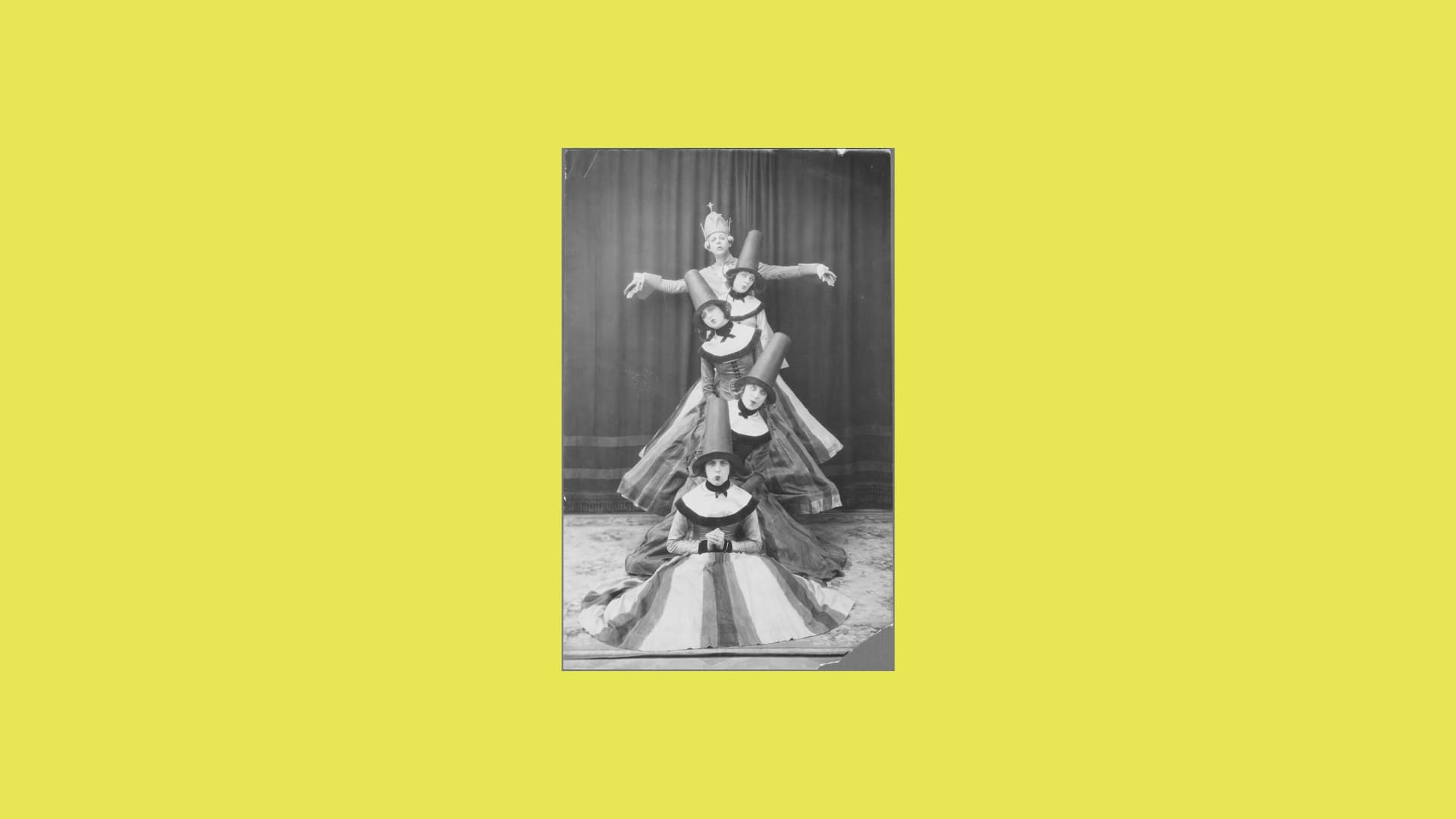 22 October100 - 420 kr
Ballet at the turn-of-the-century
When the turn of the century dance scene underwent major changes, a new world of sounds, colours and rhythmic imagination opened. Under the direction of Anton Holmer, the Swedish Radio Symphony Orchestra takes you through a time when ballet moved from playful folk to modernist elegance. No tickets left24 October180 kr
Humlan Djojj on an adventure with the Swedish Radio Symphony Orchestra
When Humlan Djojj loses his way, he ends up in the middle of Berwaldhallen, surrounded by a live orchestra buzzing like a whole world of insects. Together with his friends and the musicians, Djojj sets off on a playful musical adventure. A warm and interactive concert experience for the whole family, where Djojj’s Grammy-nominated music meets the Swedish Radio Symphony Orchestra.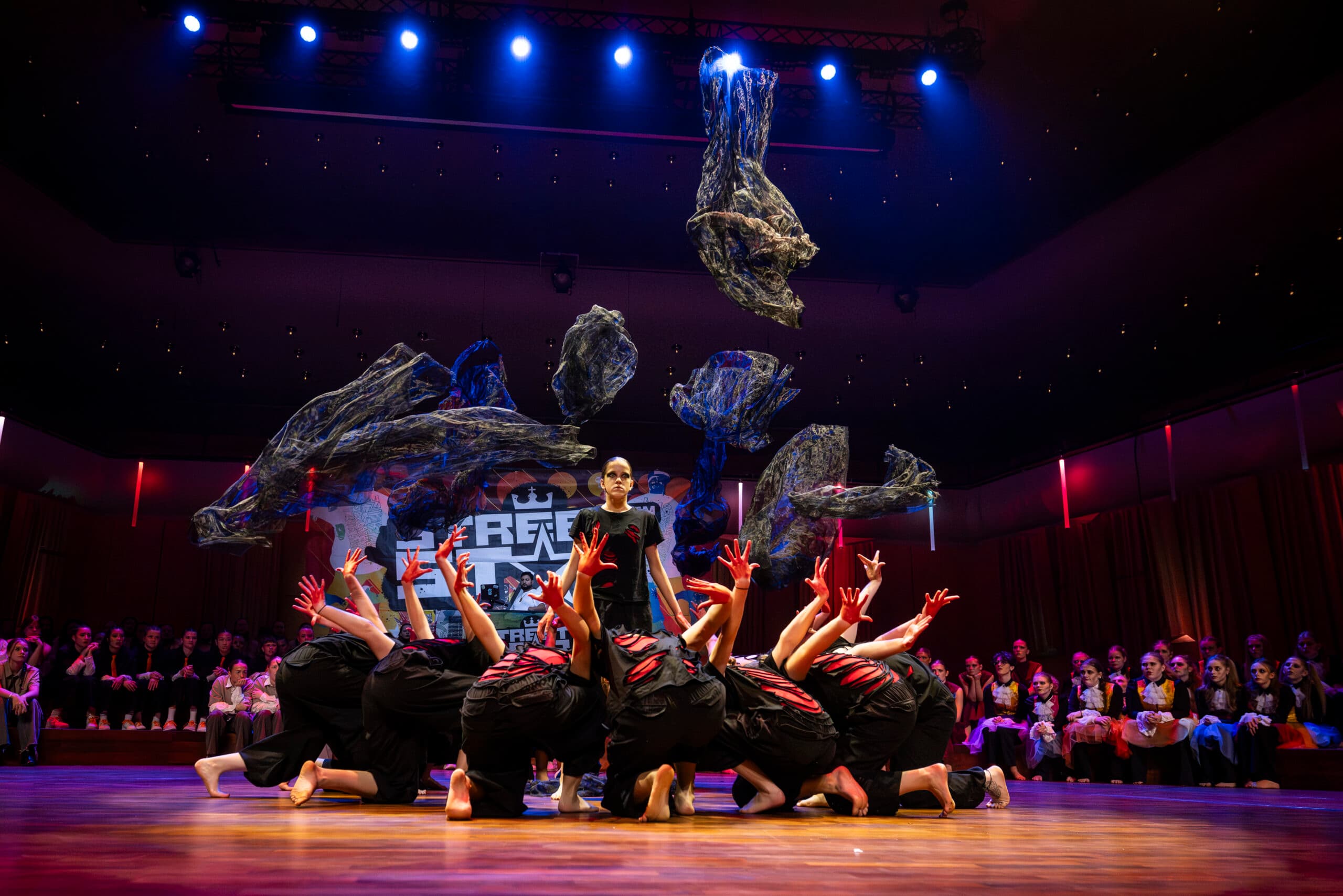 29 oktober185 - 325 kr
Streetstar Dance School Challenge 2026 – Next Generation 14–16's — Next Generation: 14–16's
Streetstar proudly presents the seventeenth edition of the Streetstar Dance School Challenge – one of Sweden’s largest and most anticipated dance competitions. This year’s major new feature is the Streetstar Showcase of the Year!