Chopin and Adès
Chopin’s dreamy and dance-friendly Piano Concerto No. 1 in E minor contrasts with Thomas Adès’ complex and multilayered Totentanz, a depiction of life’s inevitable meeting – and dance – with death!
This production is part of one or more concert series.
Both of Chopin’s piano concertos were created during his final time in Warsaw, before he left to live in Paris. In both cities, he performed his Piano Concerto No. 1 in E minor, and was met with acclaim from the audience and the critics alike. 22-year-old pianist Jan Lisiecki takes on the concerto with great feeling and considered musicality. Thomas Adès composed Totentanz in memory of composer Witold Lutoslawski and his wife. In the piece, the soprano and baritone soloists perform a dialogue between death and man, who, regardless of social or financial status, can’t escape his final dance with death.
Friday 27 of April – Concert length: 1 h 40 min incl. intermission
Saturday 28 of April – Concert length: 1 h 30 min no intermission
More concerts
 Date has passed24 October 2026
Humlan Djojj on an adventure with the Swedish Radio Symphony Orchestra
When Humlan Djojj loses his way, he ends up in the middle of Berwaldhallen, surrounded by a live orchestra buzzing like a whole world of insects. Together with his friends and the musicians, Djojj sets off on a playful musical adventure. A warm and interactive concert experience for the whole family, where Djojj’s Grammy-nominated music meets the Swedish Radio Symphony Orchestra.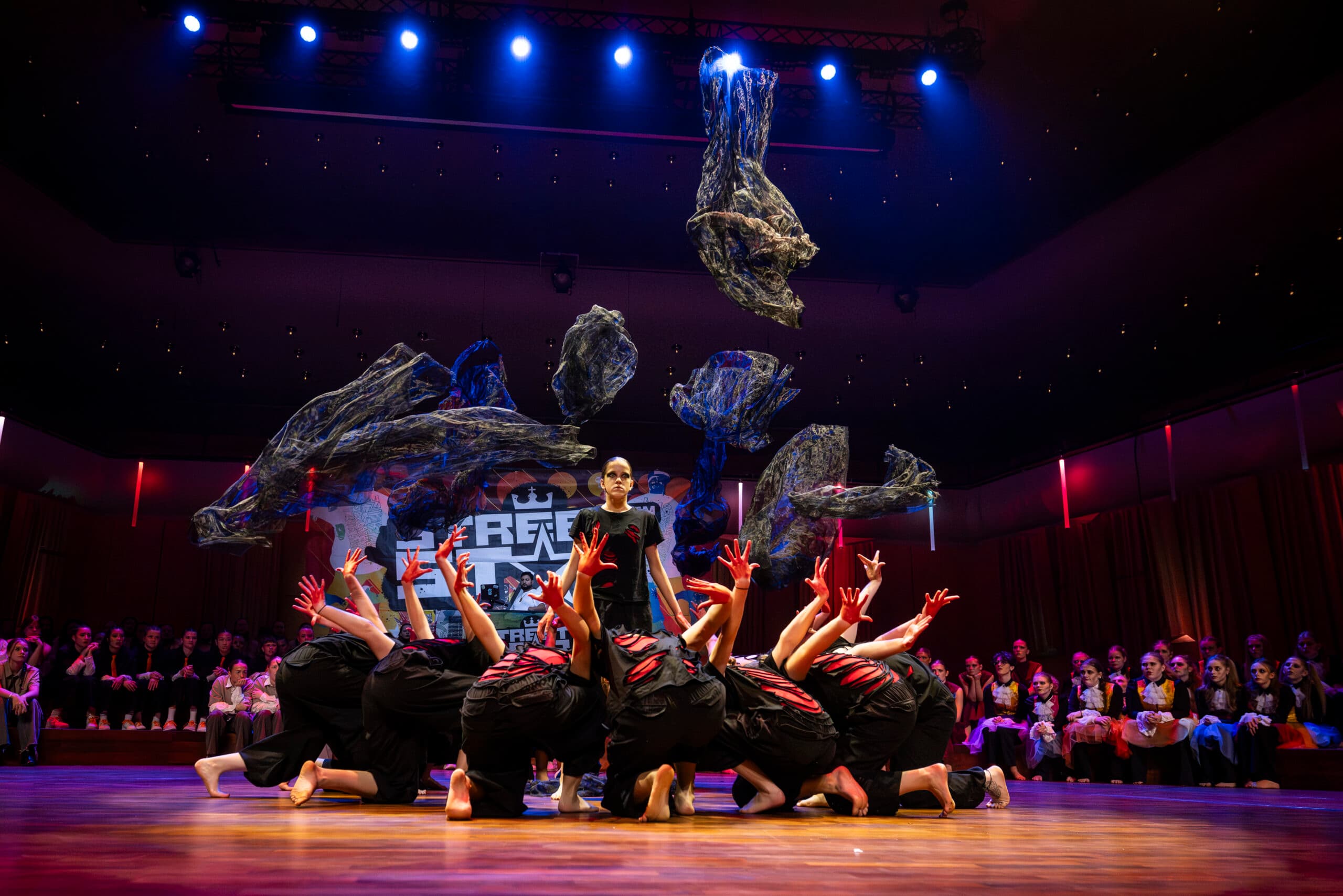 29 oktober185 - 325 kr
Streetstar Dance School Challenge 2026 – Next Generation 14–16's — Next Generation: 14–16's
Streetstar proudly presents the seventeenth edition of the Streetstar Dance School Challenge – one of Sweden’s largest and most anticipated dance competitions. This year’s major new feature is the Streetstar Showcase of the Year!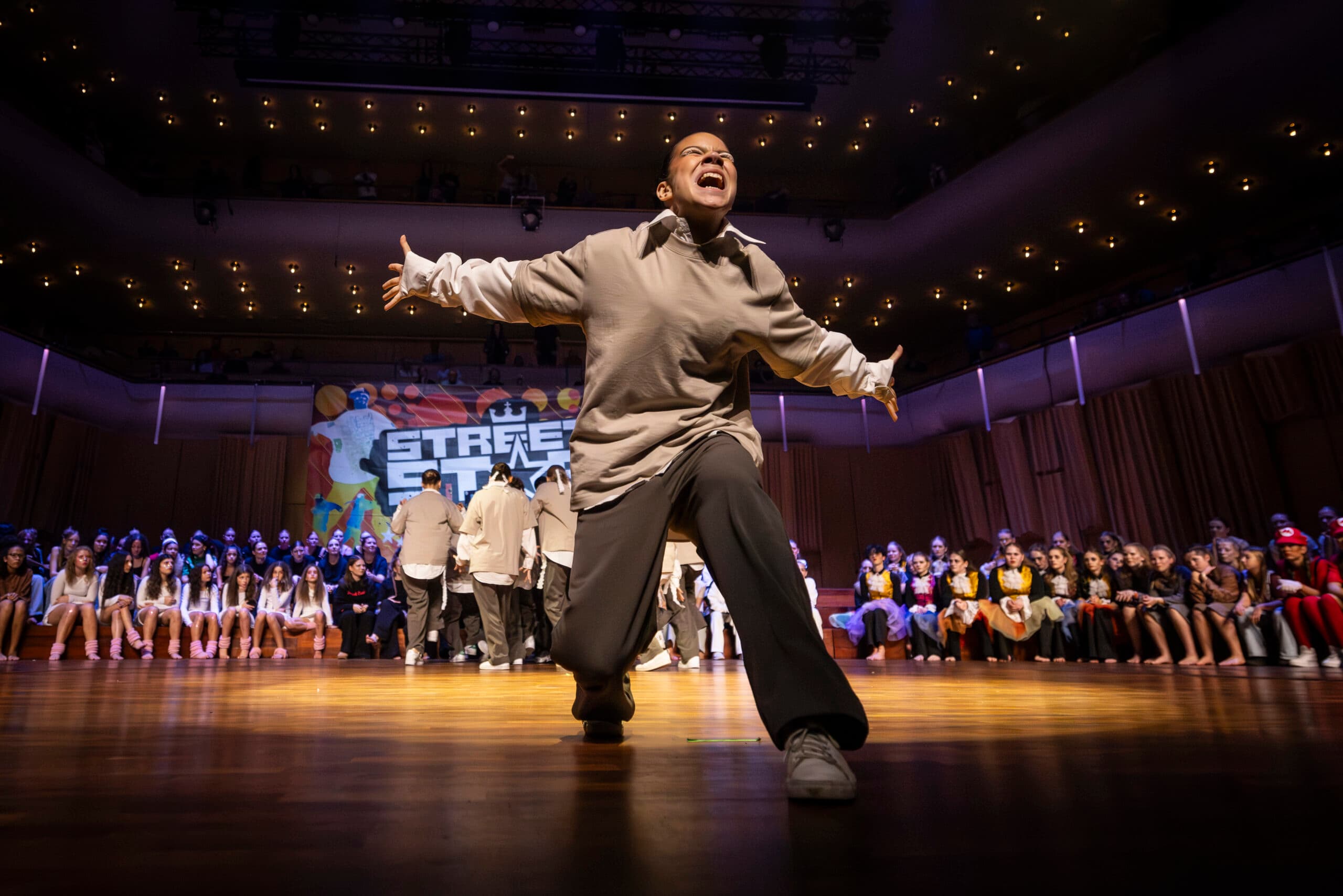 29 oktober185 - 325 kr
Streetstar Dance School Challenge 2026 – Next Generation: 17–19's — Next Generation: 17–19's
Streetstar proudly presents the seventeenth edition of the Streetstar Dance School Challenge – one of Sweden’s largest and most anticipated dance competitions. This year’s major new feature is the Streetstar Showcase of the Year!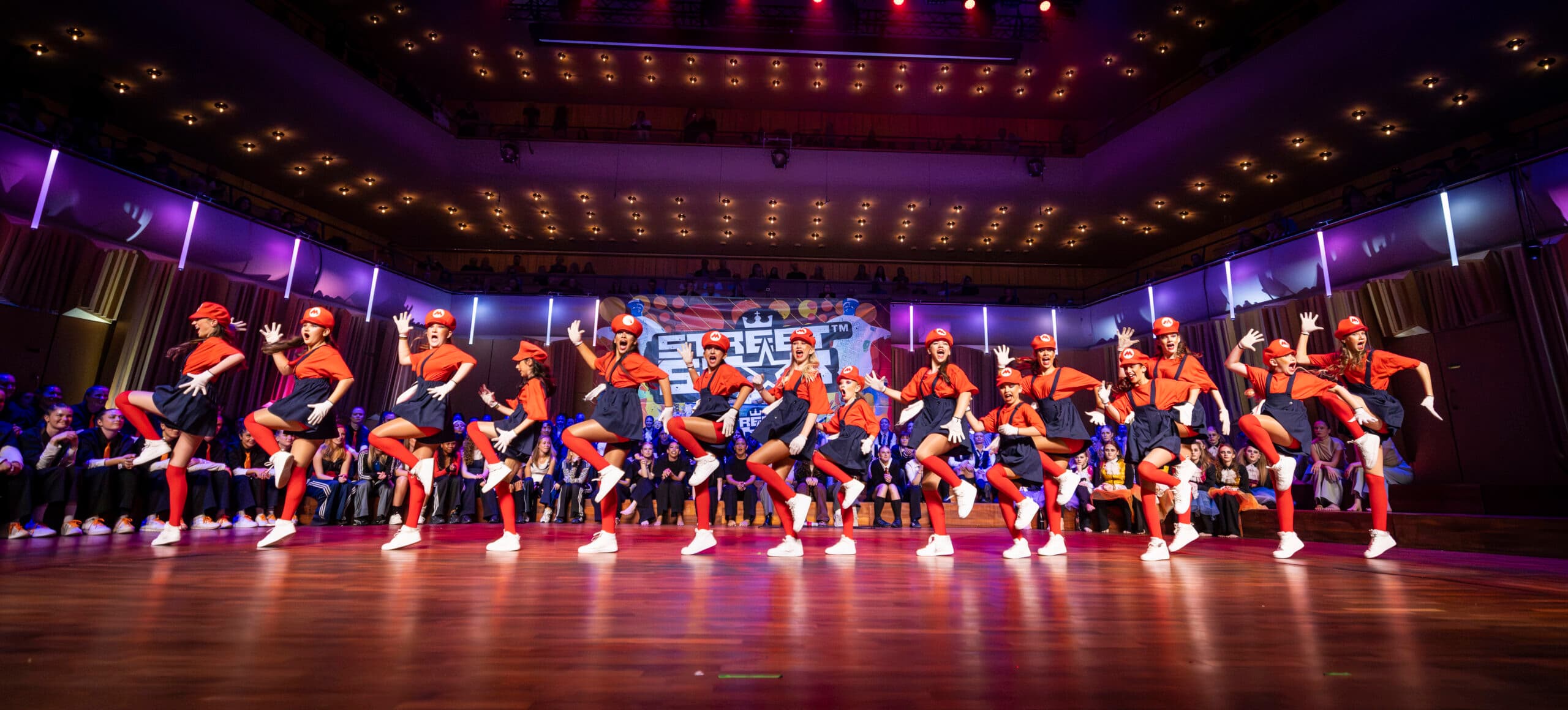 30 oktober185 - 325 kr
Streetstar Dance School Challenge 2026 – New Talent 8–13's — New Talent 8–13's
Streetstar proudly presents the seventeenth edition of the Streetstar Dance School Challenge – one of Sweden’s largest and most anticipated dance competitions. This year’s major new feature is the Streetstar Showcase of the Year!