This concert has been canceled - Wagner with Salonen
This year’s edition of the Baltic Sea Festival has been cancelled. Read more at balticseafestival.com
This production is part of one or more concert series.
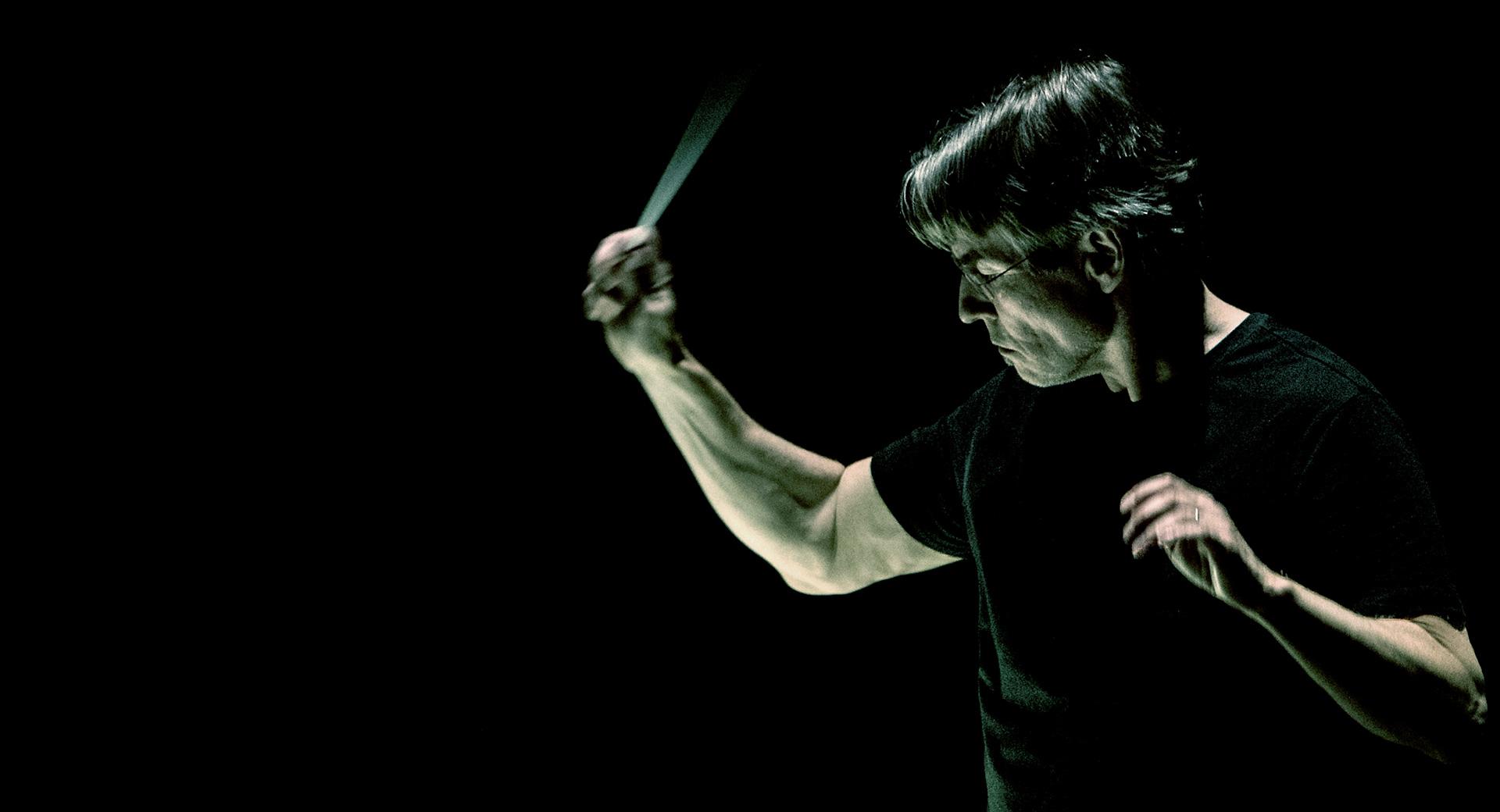
The Finnish National Opera and Esa-Pekka Salonen are performing Wagner’s unparalleled opera saga Der Ring des Nibelungen in its entirety. Just like at last year’s festival, they are making a grand guest performance at Berwaldhallen, this time with excerpts from the second part of the saga: Die Walküre, a tale about forbidden love that defies everything and everyone.
In 1837, the music magazine Neue Zeitschrift für Musik exclaimed: “Our people’s traditions appeal more to us than the treasures of foreigners […] Rotkäppchen, Lorelei and Held Siegfried are tales that merely await the artist to once more face us in life as old fairy tales in rejuvenated form.” What ideas must not these words have awoken in the then 24-year-old Richard Wagner’s head?
Wagner spent much time on and had great interest in medieval literature. In his library in Dresden he had books such as the Poetic Edda, Snorri Sturluson’s Heimskringla, the Völsunga saga, several writings on German and Scandinavian myths and, of course, the Nibelungenlied. The opera Tannhäuser, completed as early as 1845, was the first fruit of Wagner’s studies. It was also an important step on Wagner’s artistic path from the traditional opera with arias, ensembles and recitative to the revolutionising, integrated music drama for which he is known.
When faced with Der Ring des Nibelungen, this epic story about the curse of greed, the power of love and the path of men and gods towards destruction, it is worth remembering its creation. The story was written in reverse: In 1848, Richard Wagner was planning the opera Siegfrieds Tod, but its story needed a background. That background turned into the third part of the Ring cycle, Siegfried. Then he wrote Die Walküre and finally Das Rheingold. Eventually, Siegfrieds Tod was incorporated into the cycle’s climax: Götterdämmerung.
In 1853, it was time to write the music, but this time in chronological order. However, after finishing Das Rheingold and Die Walküre, everything came to a halt – in the middle of Siegfried. In 1857, Wagner left his hero under the linden tree in the middle of the opera’s second act, ruminating over his background and his dead mother. Siegfried languished there and could not continue his quest for another twelve years. During that time, Wagner finished both Tristan und Isolde and Die Meistersinger von Nürnberg. Only then, did Wagner complete Siegfried and compose Götterdämmerung.
Die Walküre has always been the part of the Ring cycle that is most frequently performed on its own. In particular, Wagner’s strong portrayal of how the twins Siegmund and Sieglinde are drawn to each other in the first act is said to contribute to the audience’s love of the opera. Their parts are among Wagner’s greatest masterpieces and the interplay between words and notes seems to have emerged with playful ease. The siblings are Wotan’s children, but they are not aware of this. When Die Walküre begins, Siegmund escapes from his enemies and ends up in a stranger’s cabin. It turns out to be Hunding, the man who once kidnapped Sieglinde, and who recently chased the unarmed Siegmund.
While Hunding is sleeping, Sieglinde tells Siegmund about the sword embedded in the ash tree, the weapon he needs but can only be pulled out by the strongest of heroes. Siegmund and Sieglinde’s mutual understanding blossoms into passionate love, while at the same time they realize that they are siblings. Siegmund pulls the sword out of the tree and names it Nothung, the one that came in the hour of need. The couple flee into the spring night, unaware that they are being watched from above by their scheming father, the god Wotan…
Text: Gunnar Lanzky-Otto and David Saulesco
More concerts
 29 oktober185 - 325 kr
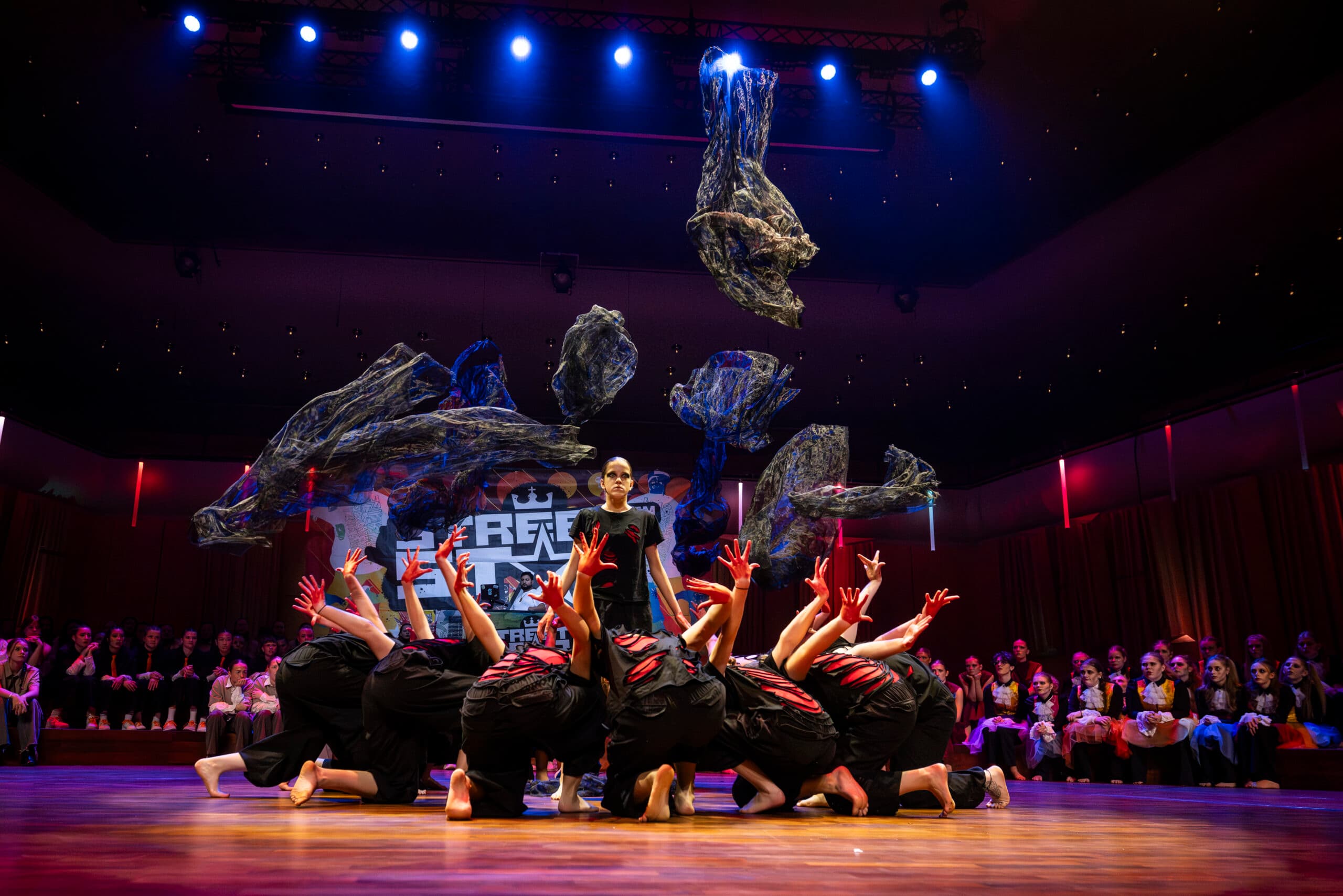
Streetstar Dance School Challenge 2026 – Next Generation 14–16's — Next Generation: 14–16's
Streetstar proudly presents the seventeenth edition of the Streetstar Dance School Challenge – one of Sweden’s largest and most anticipated dance competitions. This year’s major new feature is the Streetstar Showcase of the Year!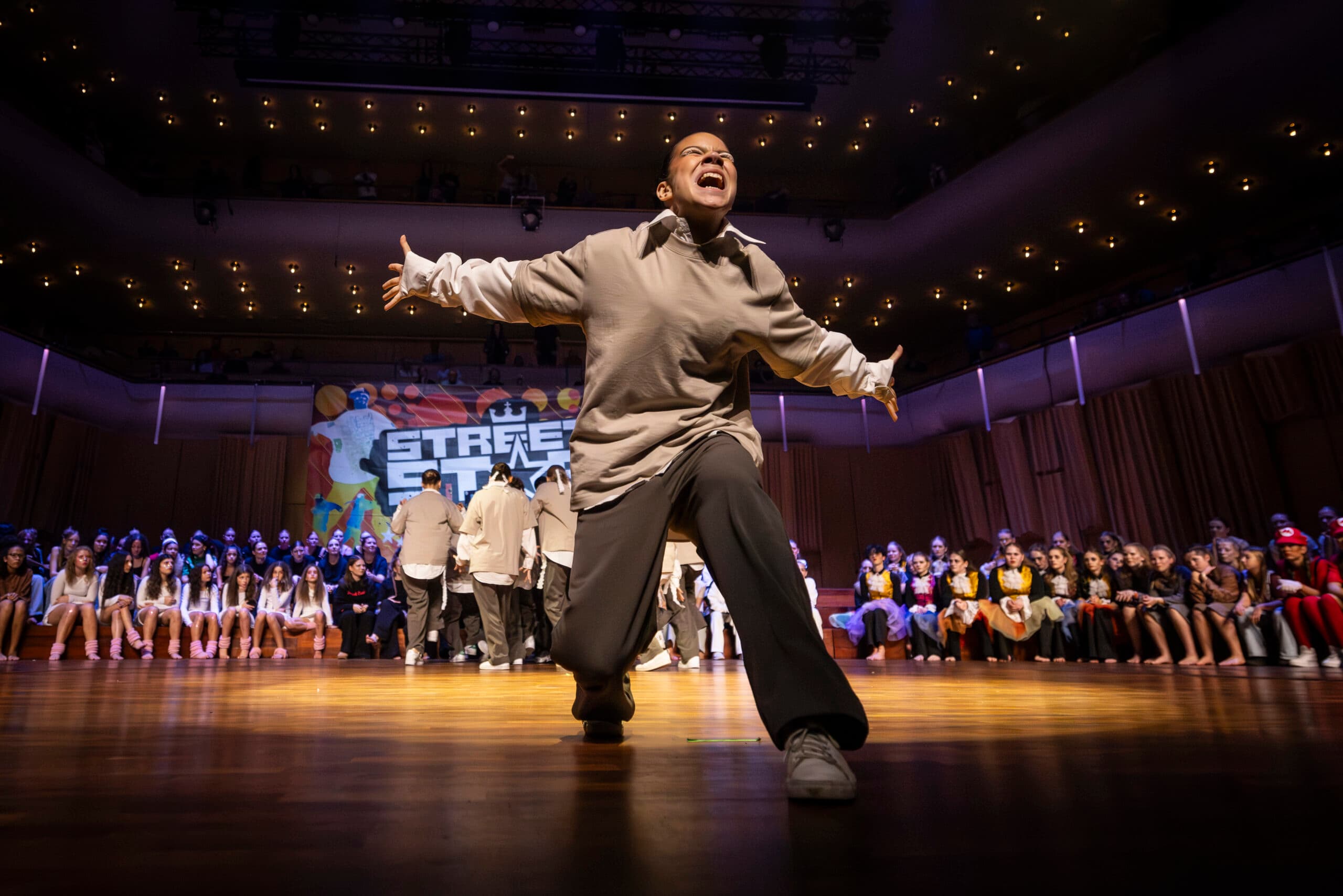 29 oktober185 - 325 kr
Streetstar Dance School Challenge 2026 – Next Generation: 17–19's — Next Generation: 17–19's
Streetstar proudly presents the seventeenth edition of the Streetstar Dance School Challenge – one of Sweden’s largest and most anticipated dance competitions. This year’s major new feature is the Streetstar Showcase of the Year!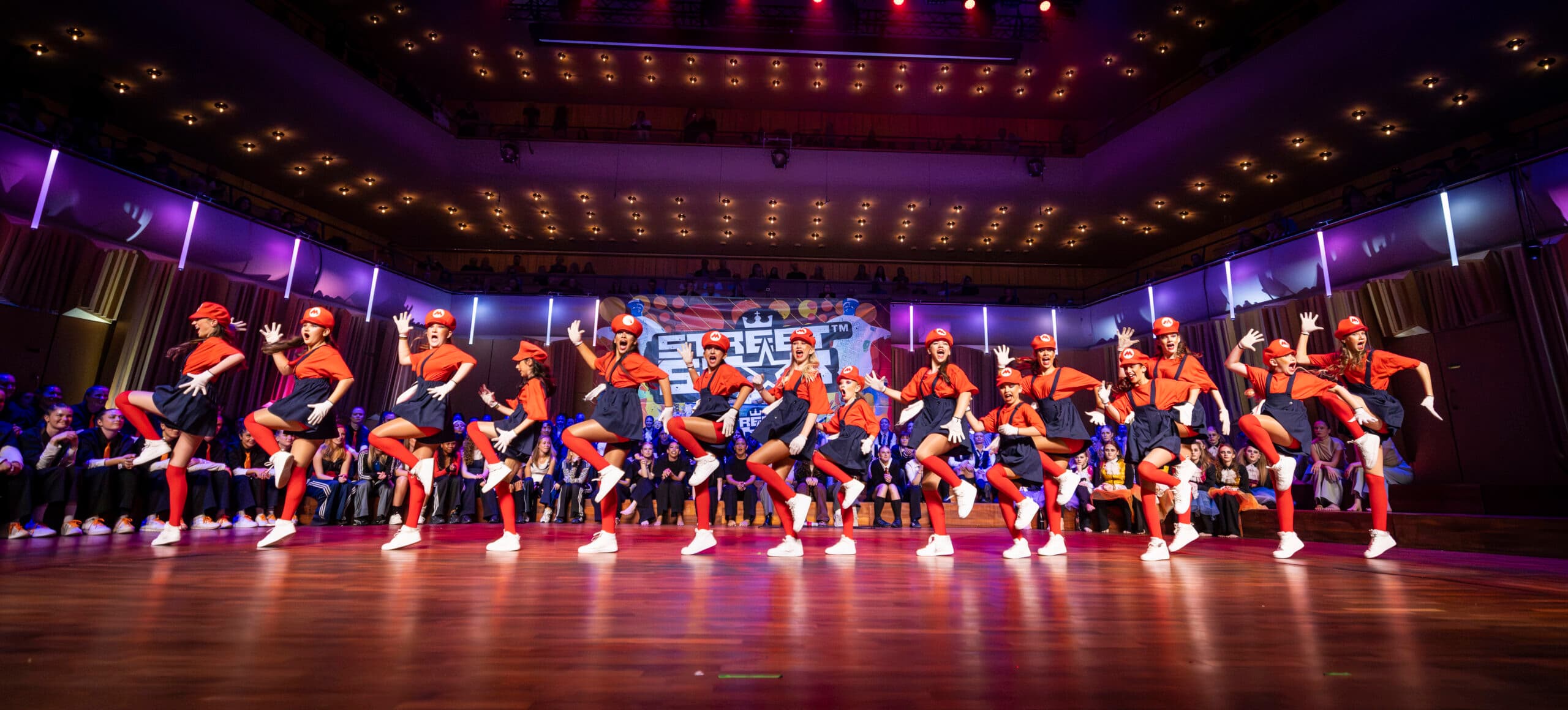 30 oktober185 - 325 kr
Streetstar Dance School Challenge 2026 – New Talent 8–13's — New Talent 8–13's
Streetstar proudly presents the seventeenth edition of the Streetstar Dance School Challenge – one of Sweden’s largest and most anticipated dance competitions. This year’s major new feature is the Streetstar Showcase of the Year!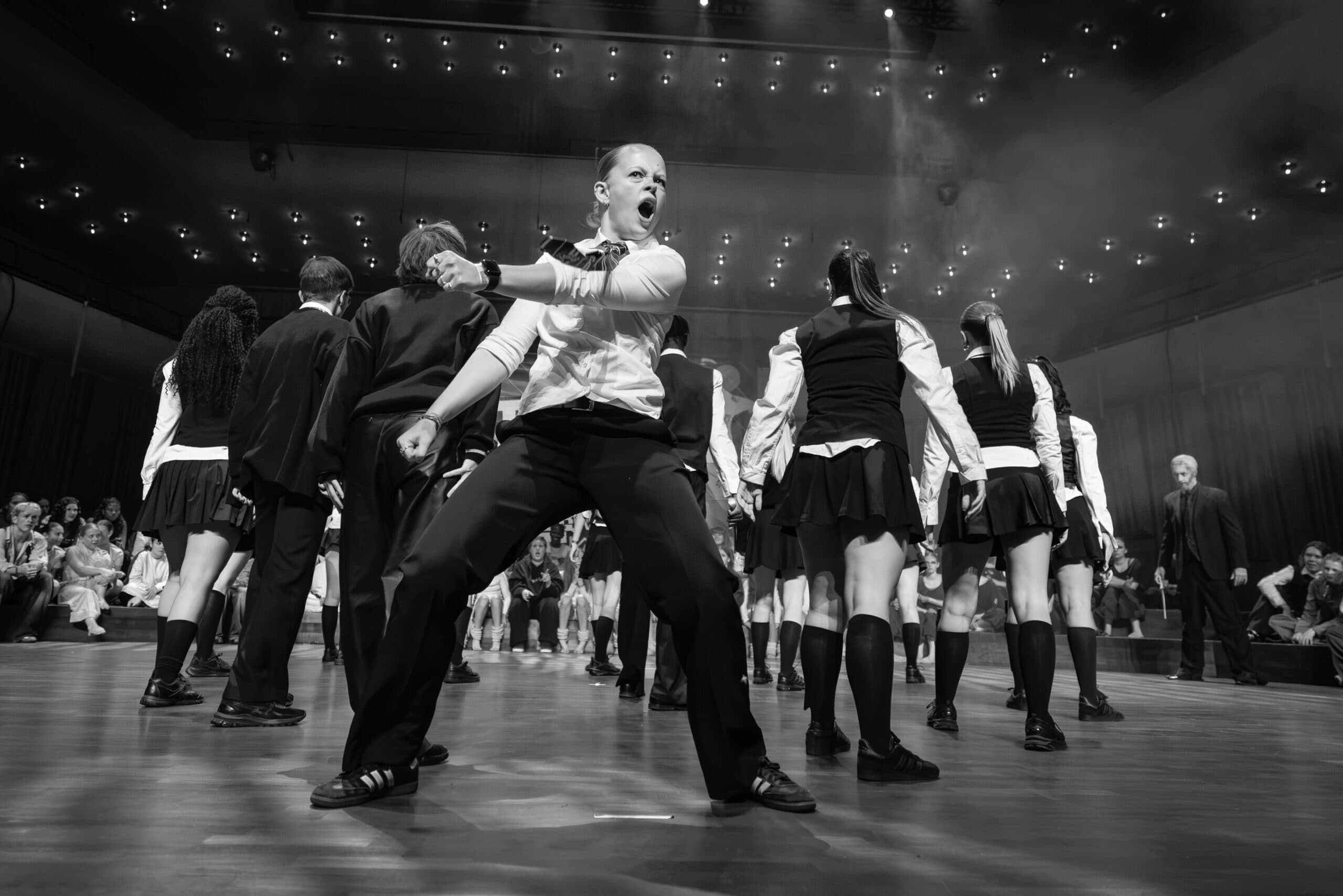 30 oktober185 - 325 kr
Streetstar Dance School Challenge 2026 – Showcase of the Year — Showcase of the Year
Streetstar proudly presents the seventeenth edition of the Streetstar Dance School Challenge – one of Sweden’s largest and most anticipated dance competitions. This year’s major new feature is the Streetstar Showcase of the Year!