Tallinn Chamber Orchestra Interprets Pärt & Saariaho
In this concert, the Tallinn Chamber Orchestra evokes memories and a melancholy mood. The orchestra will perform Terra Memoria by the late Kaija Saariaho, “dedicated to those who have left us”. Music by Arvo Pärt includes Cantus in Memoriam Benjamin Britten. Alisson Kruusmaa, whose music is often described as mild, delicate and contemplative, has contributed a new composition. There is also room on stage for jumping joy, for example when Yena Choi sings arias by Haydn’s pupil Marianna Martines on the subject of first love.
This production is part of one or more concert series.
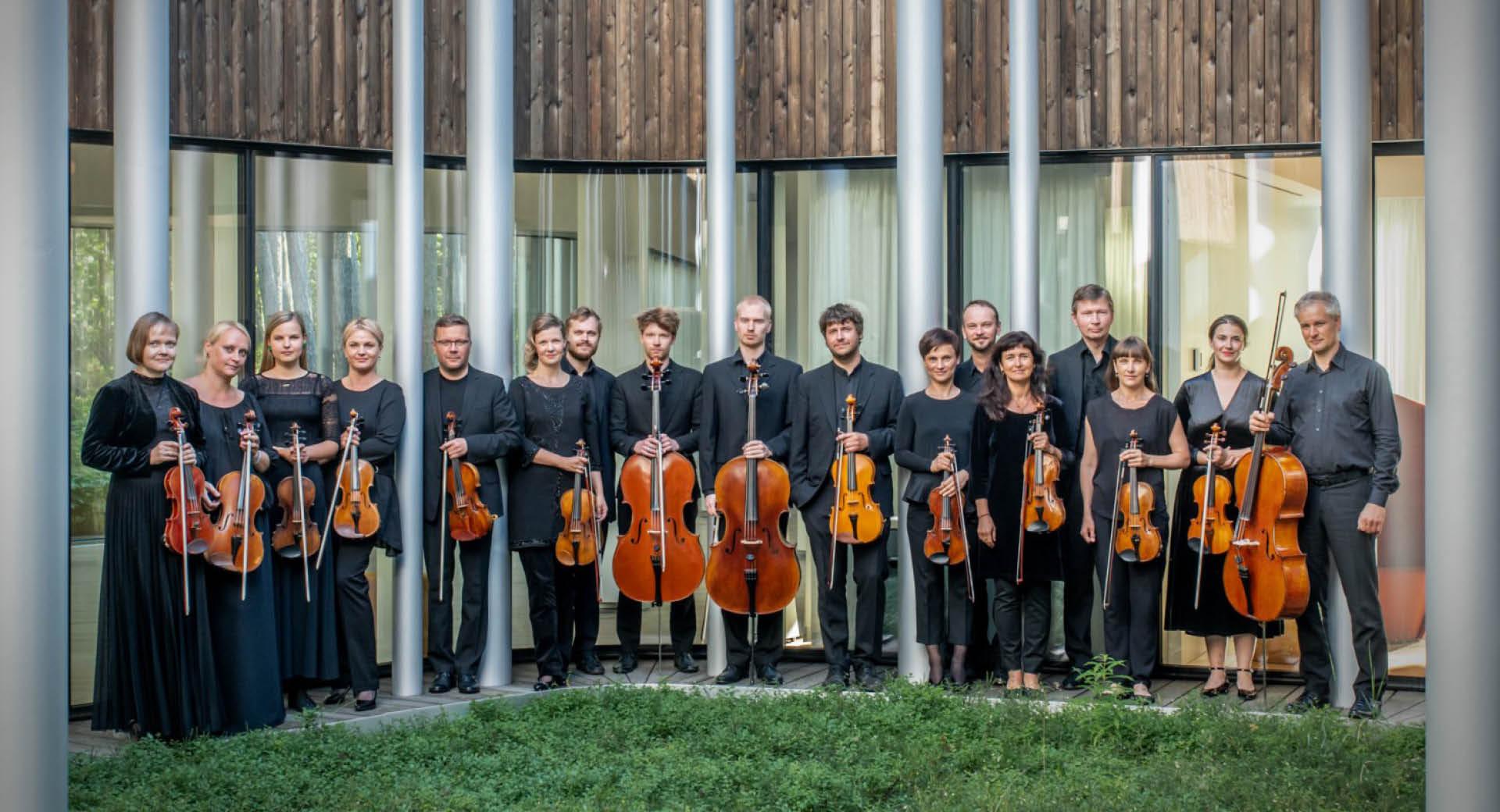
According to the composer, Kaija Saariaho, the words Terra Memorial (earth and memory) refer to her own creative process. Earth is her material, her method is memory. Tõnu Kaljuste and Tallinna Kammerorkester, together with soprano Yena Choi, present a concert with music originating from Estonia, Finland and Austria as well as the world premiere of a work by Alisson Kruusman.
Arvo Pärt is without a doubt one of Estonia’s foremost contemporary composers. He studied medieval and Renaissance sacred music in the 1970s, after which he developed the core of his distinct musical approach based on triads, which he calls tintinnabula. He has sometimes created a bell-like reverberation, inspired by Gregorian chant, by using real bells, but more often through orchestration or grouping of voices. This style is demonstrated in Für Alina (1976), Spiegel im Spiegel (1978) and Cantus in Memoriam Benjamin Britten (1977) – a tribute to the British composer, which begins and ends in silence. The concert includes this work as well as Greater Antiphons.
Composers Heino Eller (1887–1970), Ester Mägi (1922–2021) and Erkki-Sven Tüür (b. 1959) are also Estonian. Heino Eller taught Arvo Pärt and others at the conservatories in Tartu and Tallinn. Eller combined classical and romantic traditions with folk music. Five Pieces for String Orchestra from 1953 include elements of Estonian folk melodies and Nordic melancholy reminiscent of Edvard Grieg. Ester Mägi, too, often returned to folk music. She composed Vesper in 1990, originally for violin and piano. In 1998, she arranged it for string orchestra in. She labelled the work “evening music, calm and subdued, with no connection to the liturgical rite”. The seriousness of Mägi’s work resounds in Erkki-Sven Tüür’s Deep Dark Shine for string orchestra – a work based on soft chords in the double-bass and cello over which the violins flicker like a radiant cloud.
Alisson Kruusmaa draws up an outline of the present against a background of historical compositions in a work commissioned by the Baltic Sea Festival. Kruusmaa was born in Estonian Pärnu in 1992. She studied at Estonia’s music and theatre academy and in Milan. In her music she explores ethereal, fragile and spacious soundscapes with a precise, sparse orchestration that inspires contemplation.
Text: Hedvig Ljungar
More concerts
 Date has passed24 October 2026
Humlan Djojj on an adventure with the Swedish Radio Symphony Orchestra
When Humlan Djojj loses his way, he ends up in the middle of Berwaldhallen, surrounded by a live orchestra buzzing like a whole world of insects. Together with his friends and the musicians, Djojj sets off on a playful musical adventure. A warm and interactive concert experience for the whole family, where Djojj’s Grammy-nominated music meets the Swedish Radio Symphony Orchestra.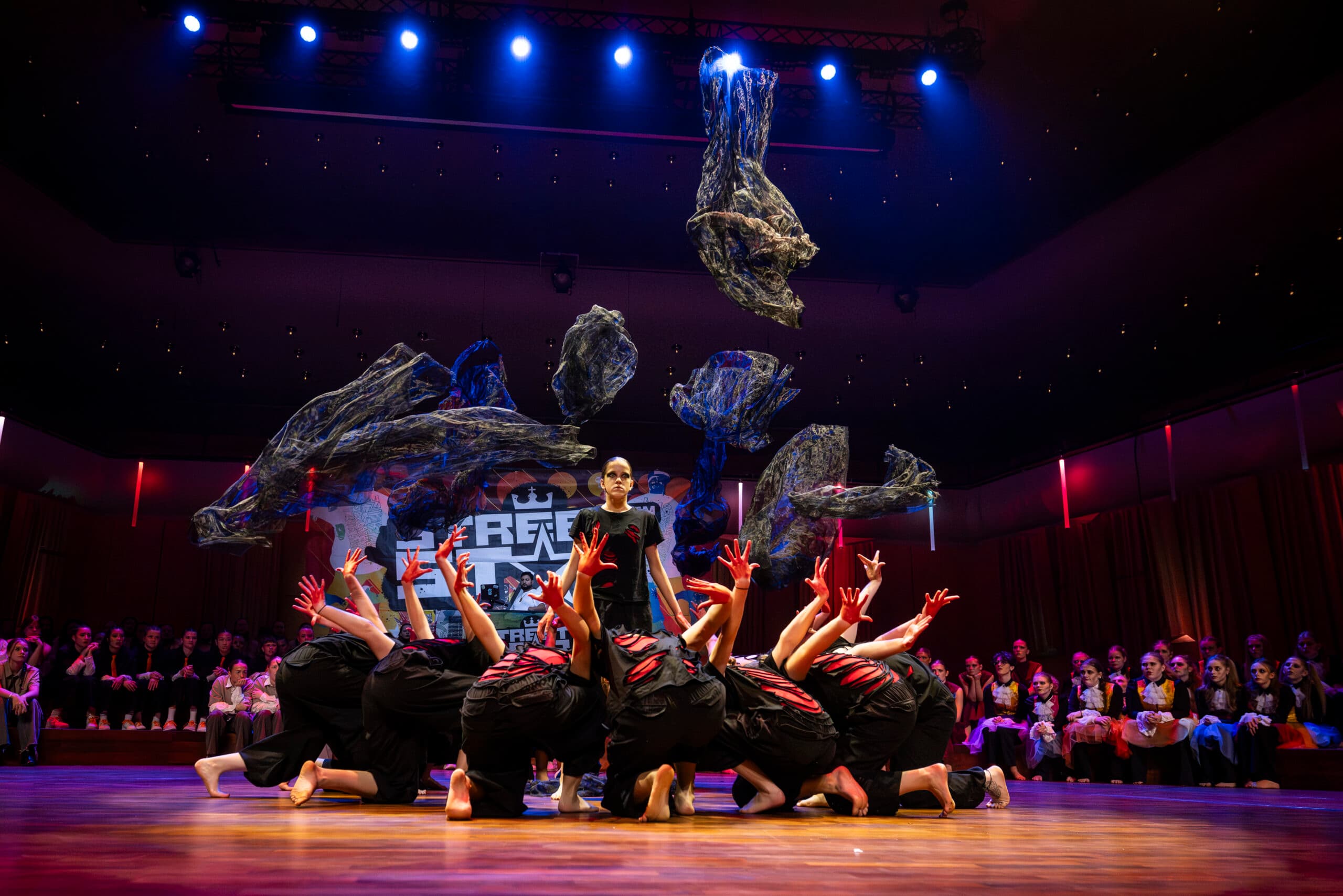 29 oktober185 - 325 kr
Streetstar Dance School Challenge 2026 – Next Generation 14–16's — Next Generation: 14–16's
Streetstar proudly presents the seventeenth edition of the Streetstar Dance School Challenge – one of Sweden’s largest and most anticipated dance competitions. This year’s major new feature is the Streetstar Showcase of the Year!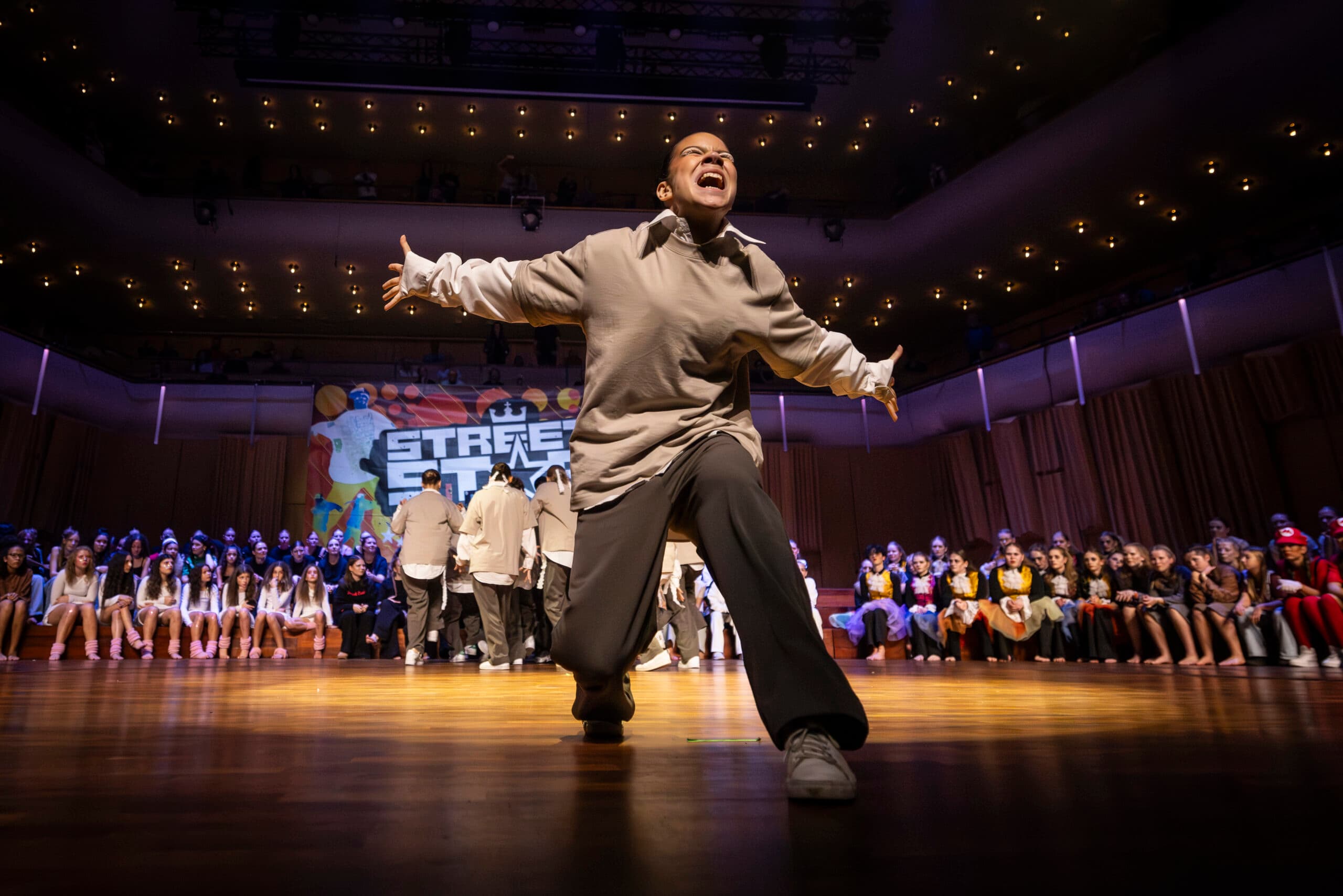 29 oktober185 - 325 kr
Streetstar Dance School Challenge 2026 – Next Generation: 17–19's — Next Generation: 17–19's
Streetstar proudly presents the seventeenth edition of the Streetstar Dance School Challenge – one of Sweden’s largest and most anticipated dance competitions. This year’s major new feature is the Streetstar Showcase of the Year!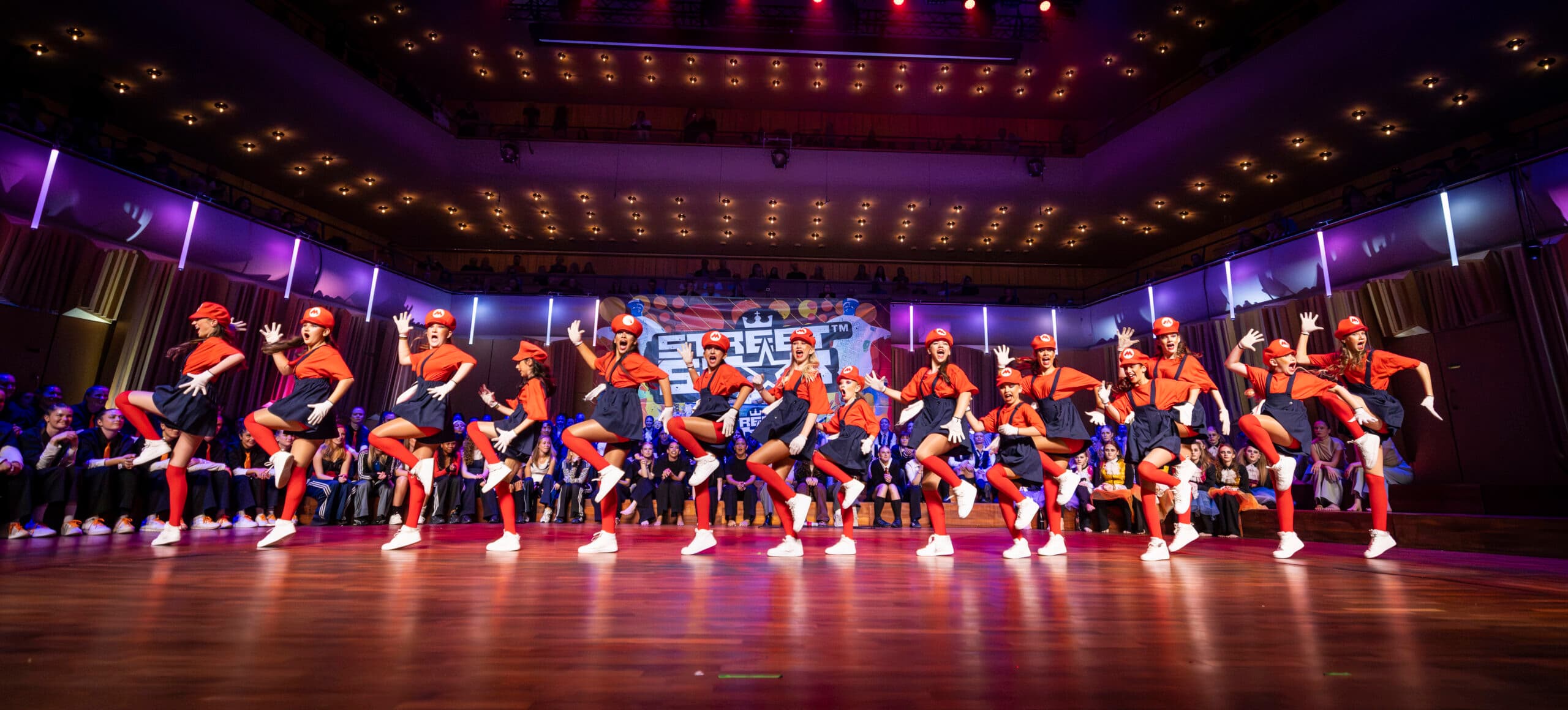 30 oktober185 - 325 kr
Streetstar Dance School Challenge 2026 – New Talent 8–13's — New Talent 8–13's
Streetstar proudly presents the seventeenth edition of the Streetstar Dance School Challenge – one of Sweden’s largest and most anticipated dance competitions. This year’s major new feature is the Streetstar Showcase of the Year!