Brahms, Britten & Stravinsky live at P2 and Play
Famed actor Stina Ekblad interprets Stravinsky’s tragic L’Histoire du soldat about a simple man tempted by the devil, who ends up losing everything. The Swedish Radio Choir and Swedish Radio Symphony Orchestra also performs music by two self-critical masters: Benjamin Britten’s choral suite A.M.D.G. and Brahms’ first symphony.
This production is part of one or more concert series.
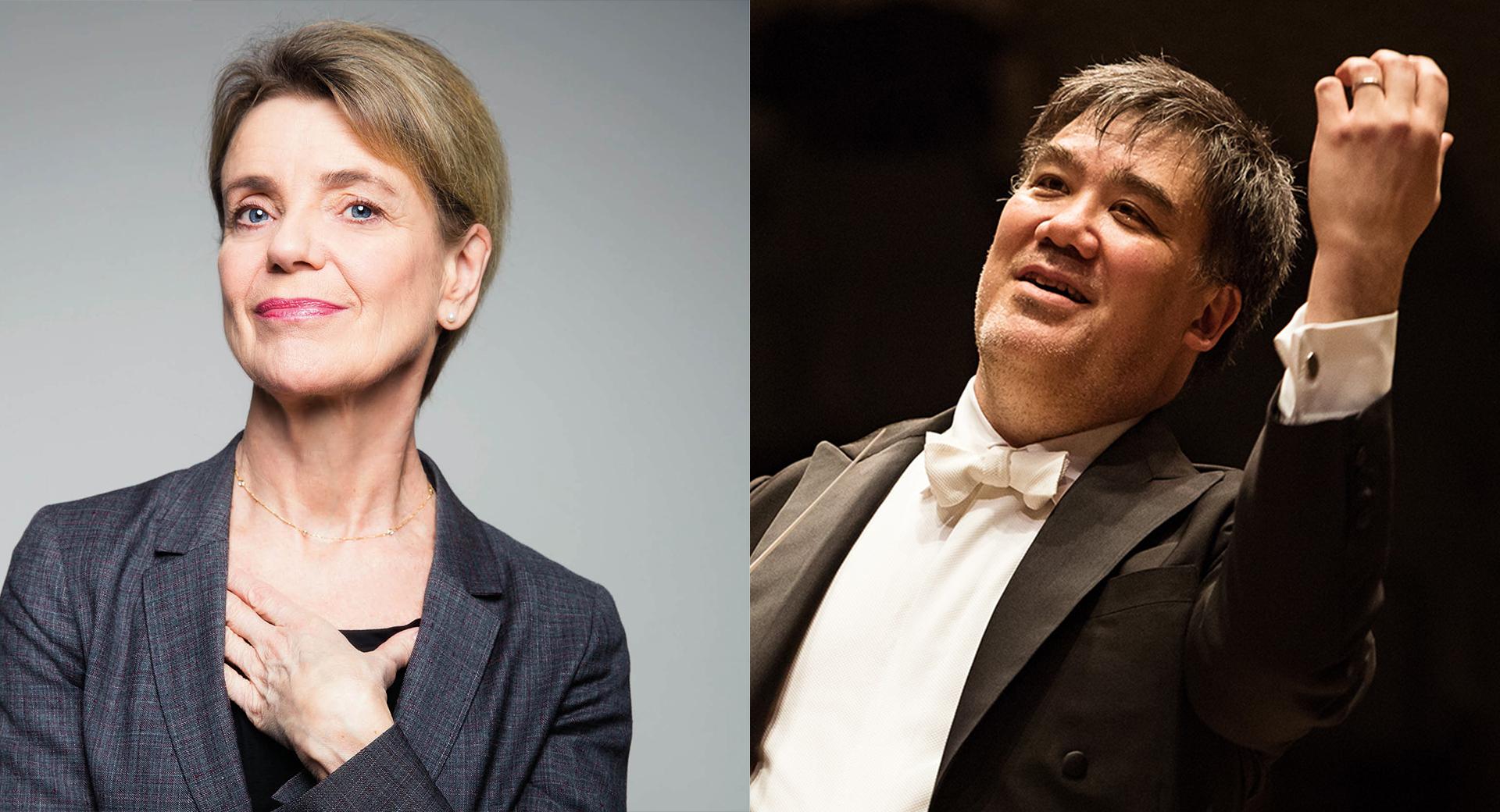
Stina Ekblad is one of Sweden’s most well-known and well-loved actors praised for her performances on the silver screen as well as the theatre stage. She also does narrated performances and interprets poems by authors like Edith Södergran. Ekblad performed L’Histoire du soldat by Igor Stravinsky and Swiss author Charles-Ferdinand Ramuz with musicians from Norrlandsoperan Symphony Orchestra in Umeå coinciding with the work’s 100th anniversary. As before, she performs all three roles by herself: The narrator, the soldier and the devil. With simple but effective dramatic means, she moves between the roles in a manner that calls on the viewer’s own imagination. The work is performed in Swedish, translated by Erik Lindegren.
When Stravinsky wrote L’Histoire in 1918, many musicians served as soldiers in the First World War. Thus, he had to make do with a rather unique instrumental setup: violin, double bass, clarinet, bassoon, cornet, trombone and percussion. The music is refined, complex and multifaceted, mixing up influences from tango, ragtime and jazz with typical Stravinskian sounds. The Russian solder Joseph – the plot is based on a Russian folk tale – is on his way home on leave. On the road, he meets the devil, who tempts him to trade his fiddle for an enchanted book that can give him untold riches. Too late, the soldier realizes his newfound wealth has cost him all his life’s true treasures: his faith, his self-respect, his love and his music.
Stravinsky also wrote wonderful choral music, both larger works such as the Symphony of Psalms and shorter sacred pieces like these two prayers: Pater Noster, the Lord’s Prayer, and Ave Maria. These were written after Stravinsky, in the 1920s, had reconnected with the Christian faith he grew up in. Benjamin Britten composed the choral suite A.M.D.G. in 1939, 25 years old. Even though it was supposed to be premiered later that year, it was not performed until eight years after Britten’s death, in 1984. Britten chose texts by English 19th century poet Gerard Manley Hopkins, who had joined the Jesuits at around the same age as Britten was when he set Hopkins’ poems to music. The title A.M.D.G. refers to the Jesuits’ motto: For the greater glory of God, Ad majorem Dei gloriam. The music appears simple, but on the other hand, conductor-composer Paul Spicer writes: “The choir that can perform the complete score successfully is confident, ambitious, has a good sense of humour and has sopranos and tenors capable of high tessitura work.” Perfect, in other words, for the Swedish Radio Choir.
Music lovers in general – and Brahms lovers in particular – are surely well aware of the labour pains of Brahms’ first symphony. He himself stated that it took 21 years for him to finish the symphony, from the early sketches in 1855 to the premiere in Karlsruhe in November 1876. A D minor symphony was begun as early as 1854, which however turned into his first piano concerto – still in the key of D minor. Brahms, just like Britten, was strongly self-critical and destroyed many of his earlier works rather than making them public. Regarding the C minor symphony, his internal anxieties were amplified by expectations from friends and the public that Brahms would continue Beethoven’s legacy. The end result is nevertheless spectacular, an extensive and rich orchestral work: A powerful musical experience all the way from the indomitable, pulsating opening – with some imagination I picture Brahms forcing himself to conquer his inner demons – to the triumphant conclusion with a musical tribute to Beethoven and his ninth symphony.
David Saulesco
Approximate duration: 2 hrs 10 mins incl. interval
Approximate duration: 2 hrs 10 mins incl. interval
More concerts
 29 oktober185 - 325 kr
Streetstar Dance School Challenge 2026 – Next Generation 14–16's — Next Generation: 14–16's
Streetstar proudly presents the seventeenth edition of the Streetstar Dance School Challenge – one of Sweden’s largest and most anticipated dance competitions. This year’s major new feature is the Streetstar Showcase of the Year!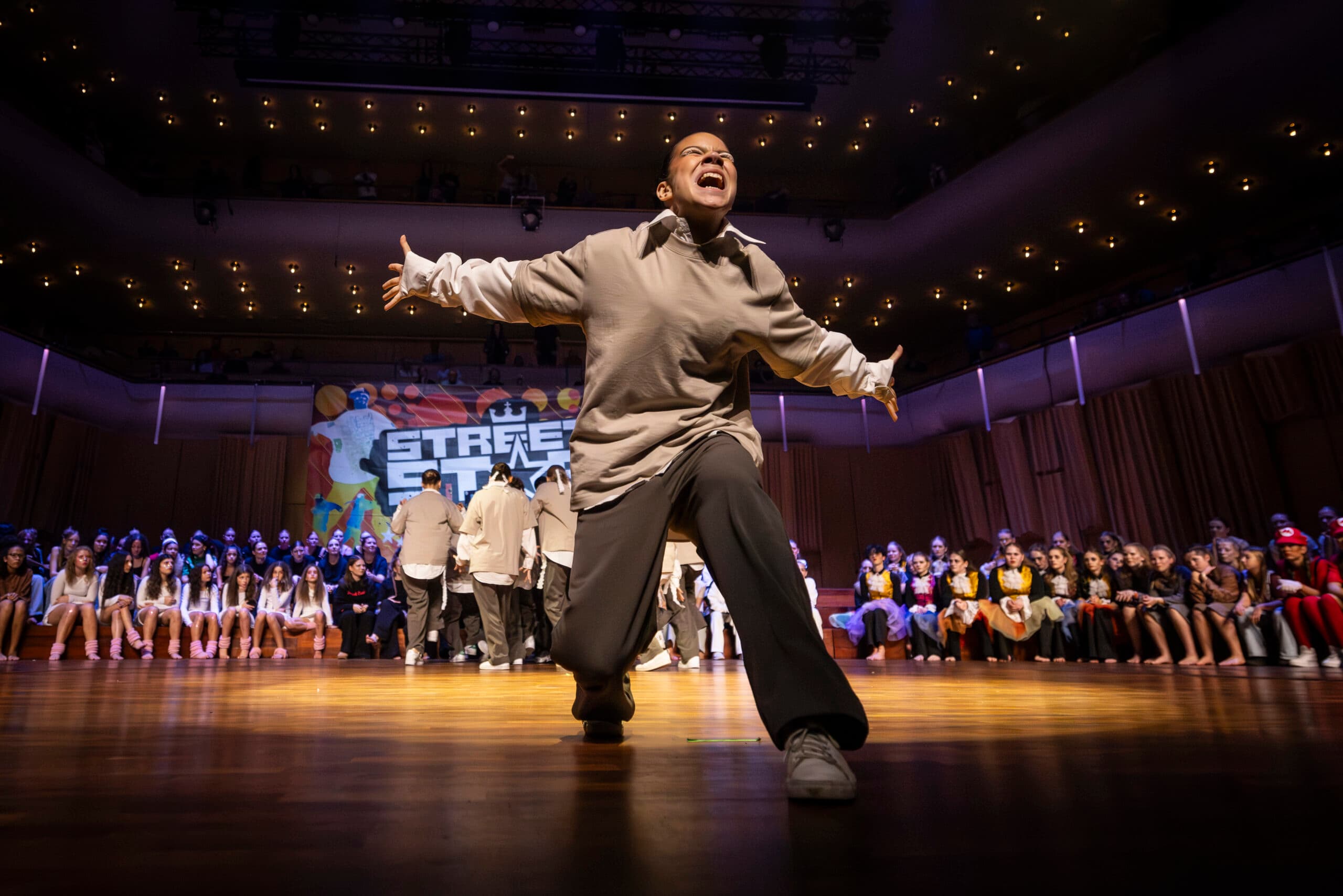 29 oktober185 - 325 kr
Streetstar Dance School Challenge 2026 – Next Generation: 17–19's — Next Generation: 17–19's
Streetstar proudly presents the seventeenth edition of the Streetstar Dance School Challenge – one of Sweden’s largest and most anticipated dance competitions. This year’s major new feature is the Streetstar Showcase of the Year!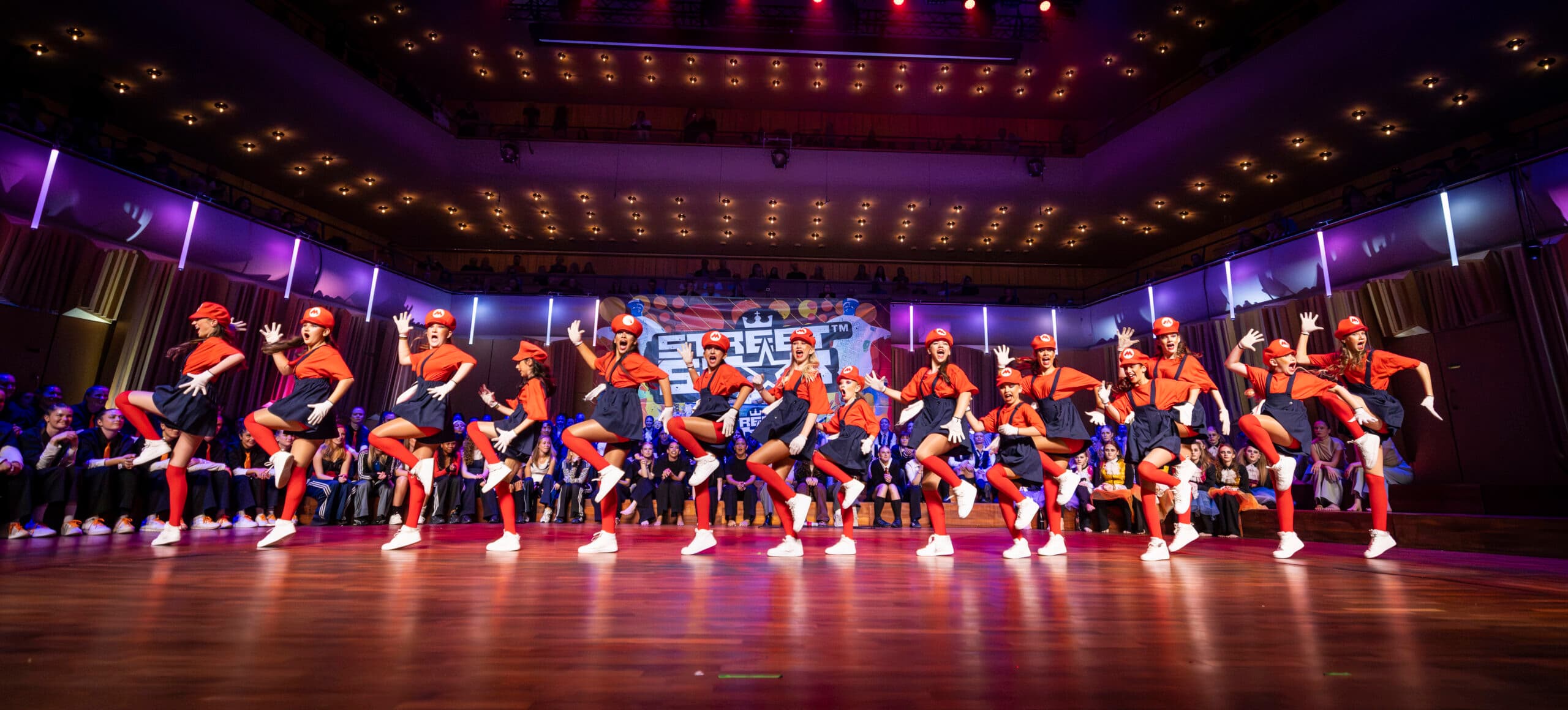 30 oktober185 - 325 kr
Streetstar Dance School Challenge 2026 – New Talent 8–13's — New Talent 8–13's
Streetstar proudly presents the seventeenth edition of the Streetstar Dance School Challenge – one of Sweden’s largest and most anticipated dance competitions. This year’s major new feature is the Streetstar Showcase of the Year!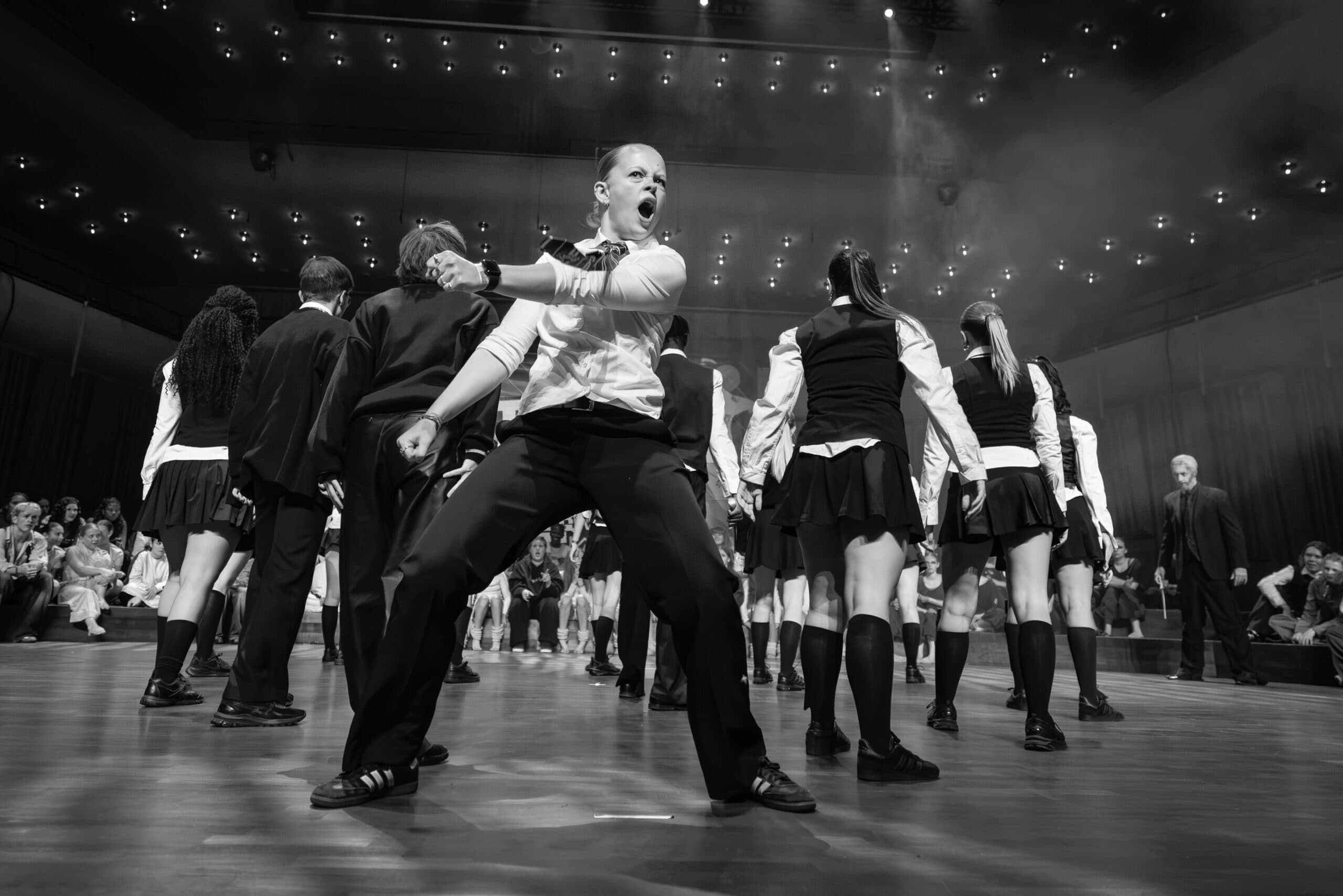 30 oktober185 - 325 kr
Streetstar Dance School Challenge 2026 – Showcase of the Year — Showcase of the Year
Streetstar proudly presents the seventeenth edition of the Streetstar Dance School Challenge – one of Sweden’s largest and most anticipated dance competitions. This year’s major new feature is the Streetstar Showcase of the Year!