Noye’s Fludde
Inherited stories of floods can be found across the world, and as far back as thousands of years ago. Of all the musical settings, Benjamin Britten’s community opera Noye’s Fludde is one of the best loved and most played abroad. Here, we unite children and adults, professional and amateur musicians, in a beloved dramatisation of the Bible’s story about Noah who saves people and animals from a great natural disaster.
This production is part of one or more concert series.

The hugely popular medieval mystery plays performed for and by amateurs fascinated Benjamin Britten. In an article, he contemplated the special joy of creating music for children or amateurs – “it is not a bad thing for an artist to try to serve all sorts of different people” – and the opera Noye’s Fludde, Noah’s flood, from 1957 is a strong expression of that. It was written for a mix of amateurs, children of different ages and professional musicians.
The mystery plays usually contained biblical material. The events of Easter week were a common theme, but the text is quite different here. In Genesis, we encounter Noah, the most righteous man of his generation, who receives meticulous instructions from God for how to build a floating craft, a vessel, to save his family and all the animals from the global flood sent to punish mankind for their treatment of the Earth.
In the English city of Chester, during the Catholic feast of Corpus Christi, a total of 24 plays were performed on the same day by representatives of the city’s various trade or craft guilds. The actors performed on large carts that were pulled from street to street so that they could be enjoyed by everyone and one of the plays was Noye’s Fludde. Britten used the Chester text as the basis for the libretto after coming across it in a 19th century collection of mystery plays and supplemented it with liturgical songs such as Lord Jesus, Think On Me and various Anglican hymns.
Britten took pains to ensure that the opera should be performed in churches or large meeting halls, not in theatres or opera houses; it has even been performed in zoological gardens. A children’s choir represents the animals that march into and out of the Ark. The events are narrated by the voice of God. Only Noah and his wife are sung by professional singers; the rest of the roles are performed by children and adolescents. A small professional ensemble is at the head of the large orchestra which also includes unusual instruments such as bugles, mugs and handbells to illustrate the animals’ entry into the Ark, falling rain and a rainbow, signifying God’s promise to never flood the Earth again.
A ballet scene depicts how the raven reveals that land has been discovered by failing to return to the Ark; in contrast to the dove that does return, with an olive branch in its beak. The dove’s melody is then played backwards compared to when it flew out. A nice little detail, typical of Britten’s ingenuity.
Text: Gunnar Lanzky-Otto
More concerts
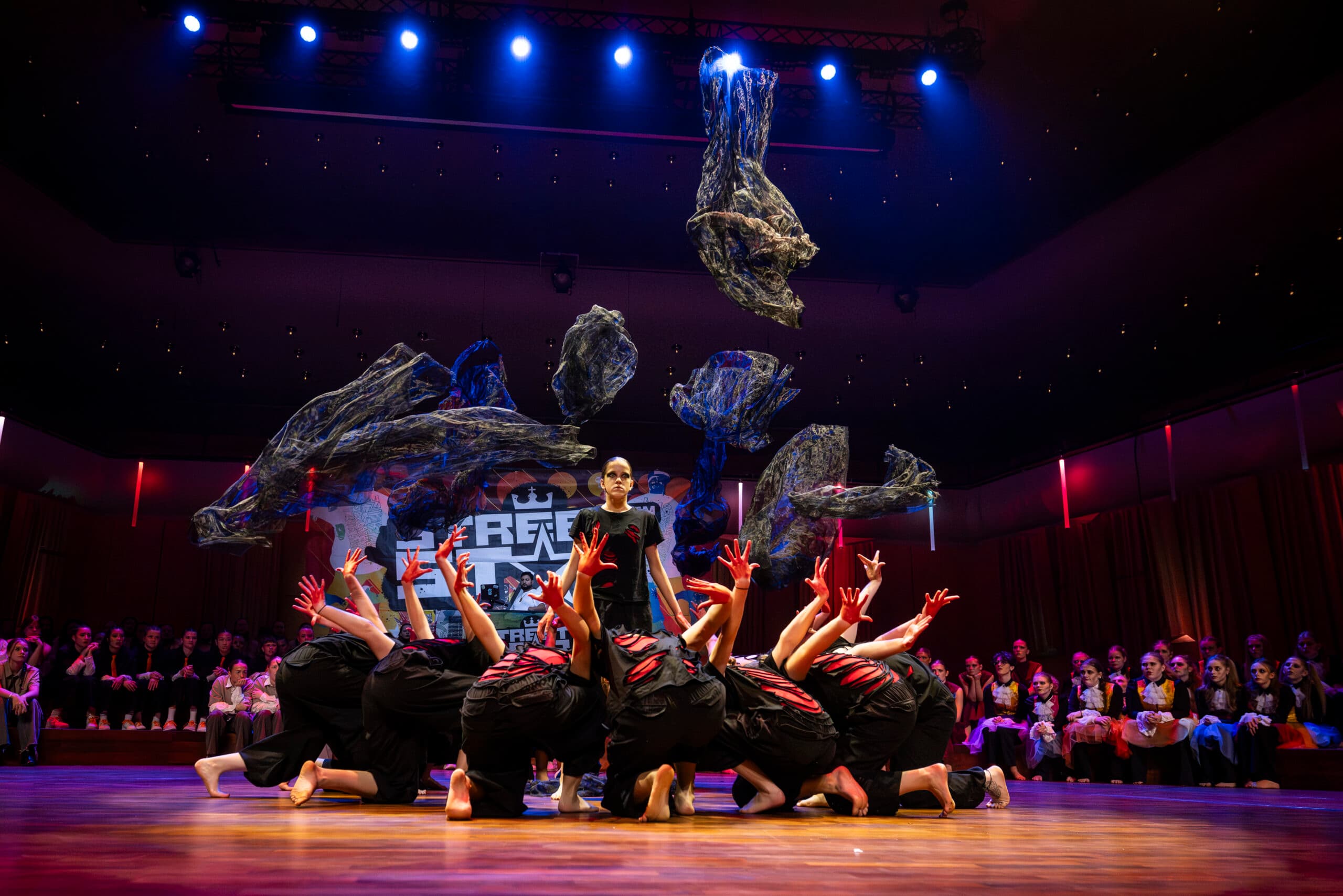 29 oktober185 - 325 kr
Streetstar Dance School Challenge 2026 – Next Generation 14–16's — Next Generation: 14–16's
Streetstar proudly presents the seventeenth edition of the Streetstar Dance School Challenge – one of Sweden’s largest and most anticipated dance competitions. This year’s major new feature is the Streetstar Showcase of the Year!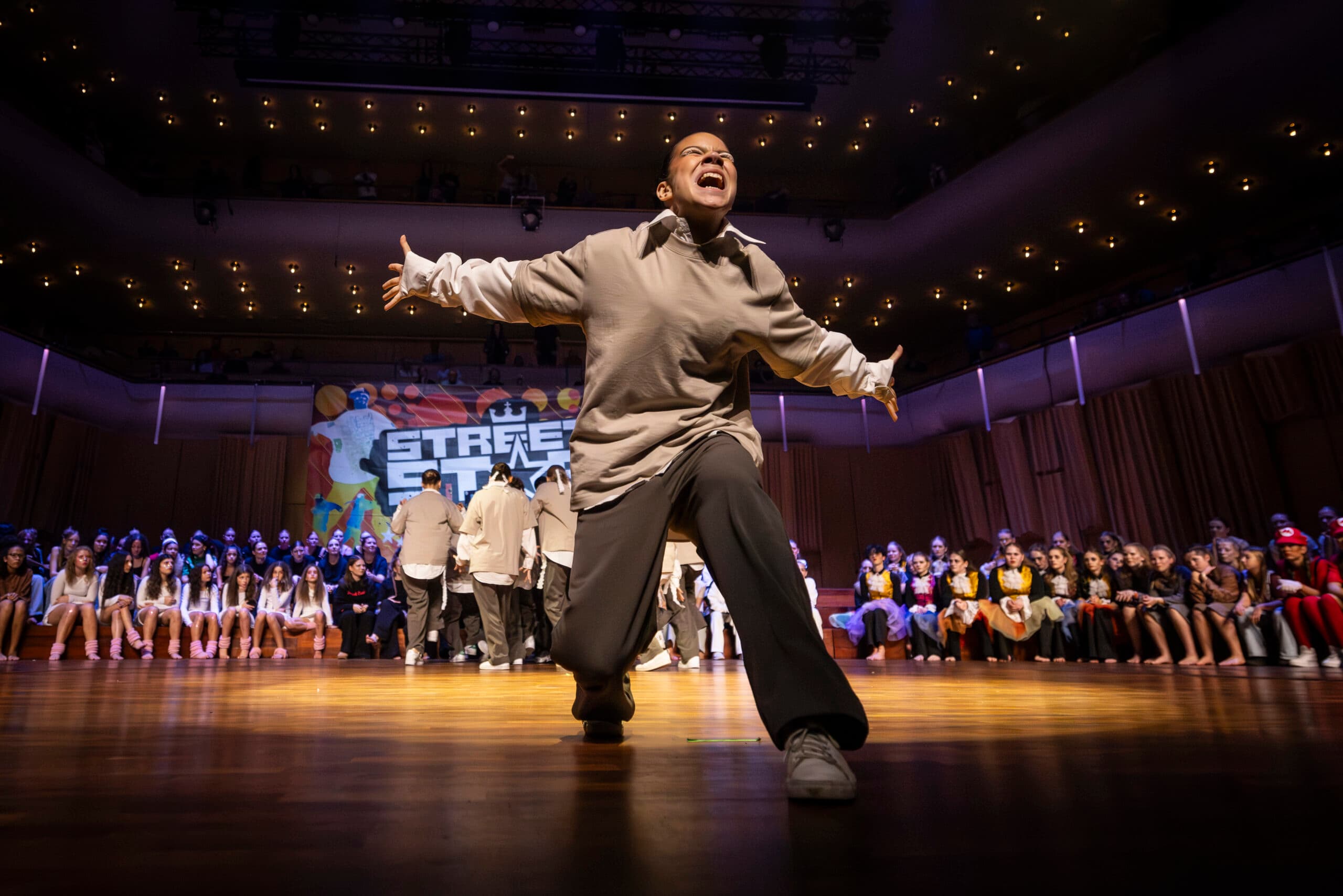 29 oktober185 - 325 kr
Streetstar Dance School Challenge 2026 – Next Generation: 17–19's — Next Generation: 17–19's
Streetstar proudly presents the seventeenth edition of the Streetstar Dance School Challenge – one of Sweden’s largest and most anticipated dance competitions. This year’s major new feature is the Streetstar Showcase of the Year!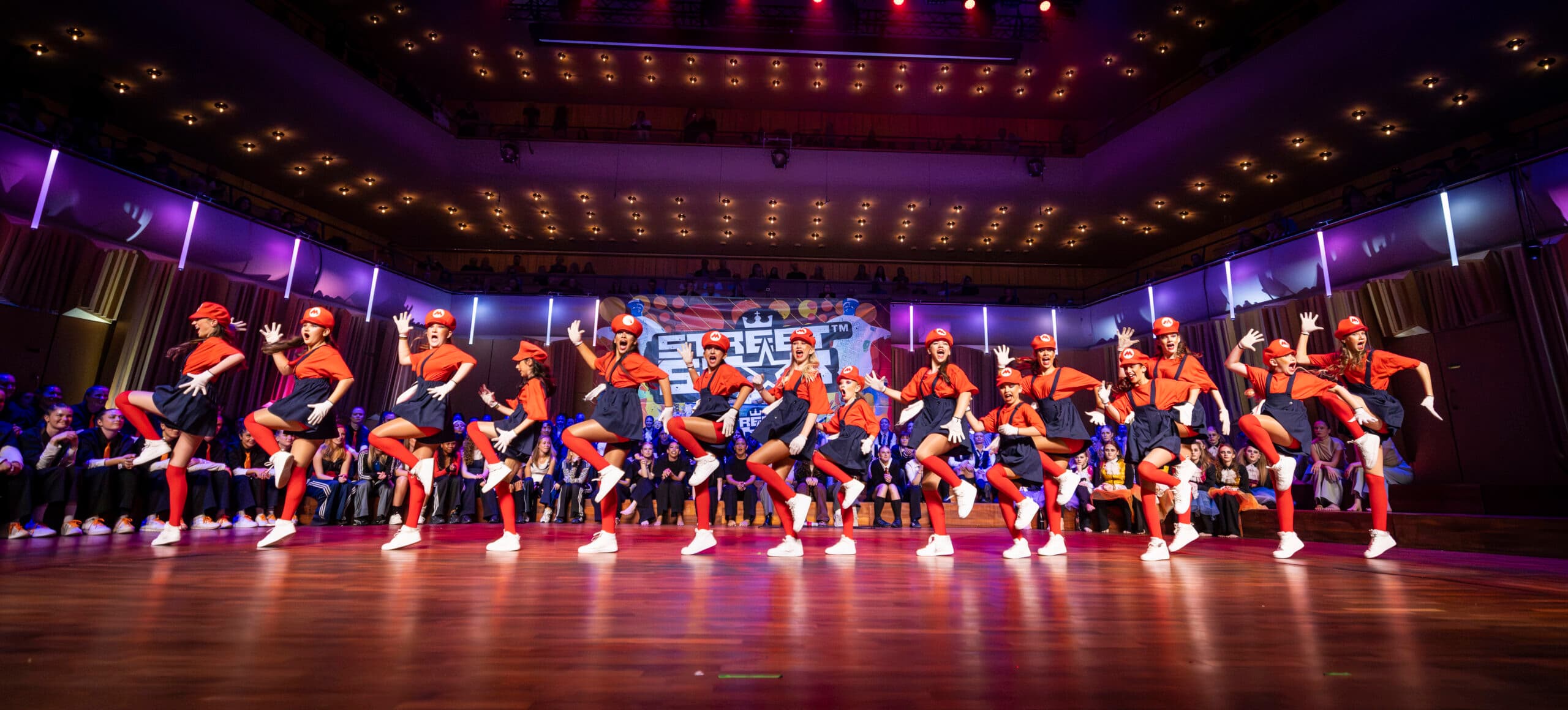 30 oktober185 - 325 kr
Streetstar Dance School Challenge 2026 – New Talent 8–13's — New Talent 8–13's
Streetstar proudly presents the seventeenth edition of the Streetstar Dance School Challenge – one of Sweden’s largest and most anticipated dance competitions. This year’s major new feature is the Streetstar Showcase of the Year!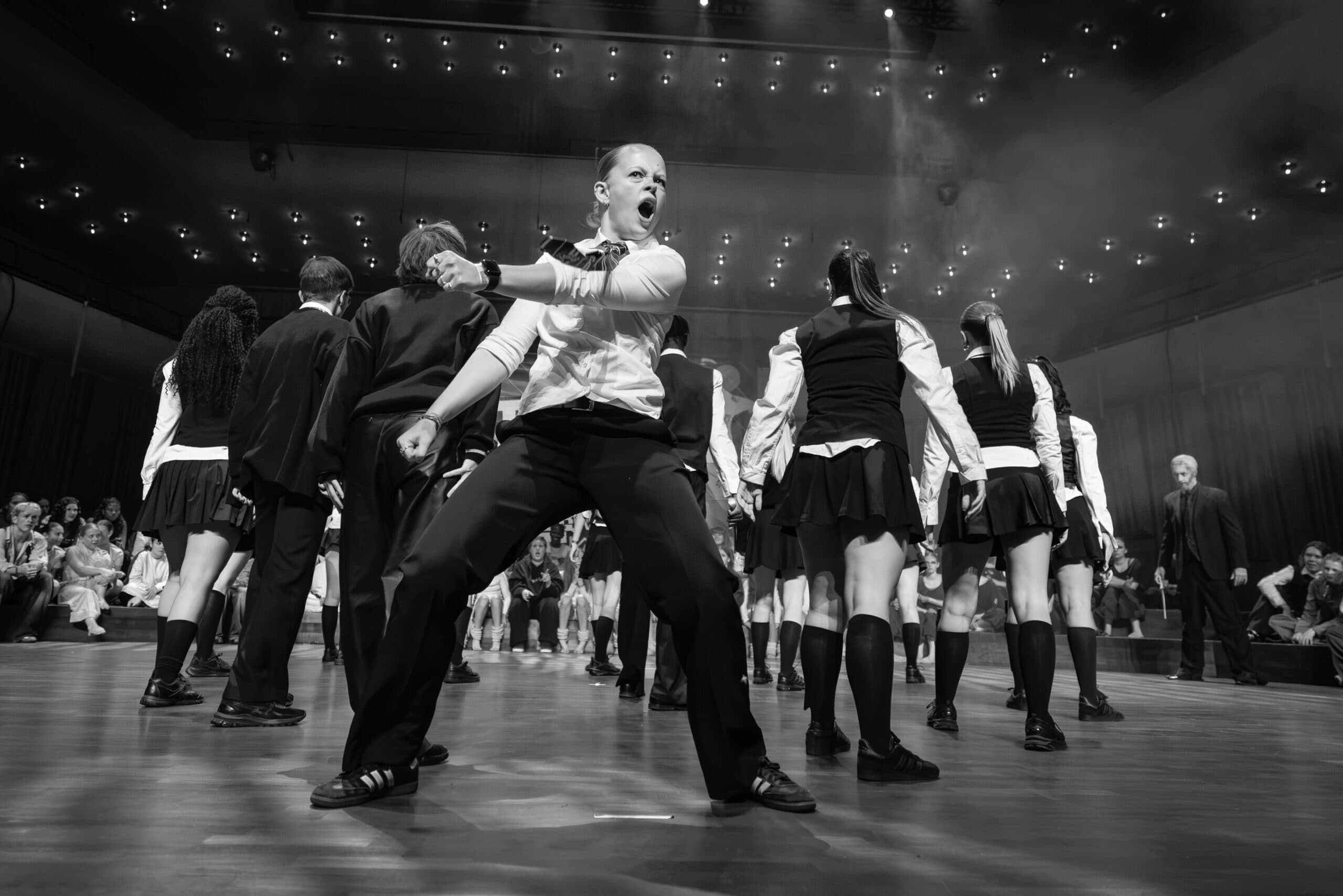 30 oktober185 - 325 kr
Streetstar Dance School Challenge 2026 – Showcase of the Year — Showcase of the Year
Streetstar proudly presents the seventeenth edition of the Streetstar Dance School Challenge – one of Sweden’s largest and most anticipated dance competitions. This year’s major new feature is the Streetstar Showcase of the Year!