Mahler’s Eighth Symphony
With unimaginable force, inspiration struck Gustav Mahler in the summer of 1906 when he, instead of resting and recuperating, within the course of a few months wrote the entire monumental work for three choirs, eight solo singers and a large orchestra. His wife Alma said afterwards how the ”Veni, creator spiritus” part in the first movement was composed before Mahler received the lyrics, but even so they were perfectly matched. The two movements in Mahler’s Symphony no. 8 brings together the 9th century hymn with Johann Wolfgang von Goethe’s play ”Faust”, written a thousand years later. It is a pioneering and optimistic piece that sounds, in the composer’s own words, ”as if the whole universe begins to sing”.
This production is part of one or more concert series.

It is not often performed, Mahler’s Symphony no. 8 in E-flat major. It has nothing to do with any flaws in its artistic or intellectual quality; on the contrary, the symphony has been praised ever since its première in September 1910. The reason the piece is not performed more frequently is solely because of the enormous cast required for a first-class performance. With some reason, the impresario Emil Gutmann nicknamed the piece ”Symphony of a Thousand”, even though Mahler himself consistently dissociated himself from the it and never sanctioned the use of the undoubtedly punchy subtitle. However, Gutmann’s task was to arouse interest in its first performance and in that regard, the moniker was – and is – very apt.
But Mahler fairly soon regretted involving Gutmann in the preparations; in his correspondence, he described his concern that the impresario would turn the performance into ”a catastrophic Barnum and Bailey show”. He himself had more profound ambitions for his piece and the massive orchestra and choral ensembles required was not for the sake of magnitude per se, but for the realization of his artistic idea: “Imagine the whole universe beginning to ring and resound. There are no longer human voices, but planets and suns revolving.” To fully express this cosmic vision, Mahler went further than had ever been done before.
As early as 1911, Arnold Schönberg, who moreover was inspired by Mahler, broke through this boundary beyond boundaries with his magnificent song-cycle, Gurre-Lieder. But when Mahler wrote his symphony in the summer of 1906, this synthesis of symphony, cantata, motet and romance was ground-breaking, something of which he himself was fully aware. He himself called the piece the greatest he had ever written and that his previous seven symphonies were but preludes to this.
The symphony opens with a triumphant invocation: ”Veni, creator spiritus”, a 9th century hymn, which can also be found in the hymn book of the Church of Sweden as ”Come, Creator Spirit, Lord God”. In the 19th century, the lyrics of the hymn was translated into German by Johann Wolfgang von Goethe, who argued that its message accorded with his own philosophy. Parallel to the hymn in the second movement of the symphony, Mahler, who was a great admirer of Goethe, has set to music the end of Goethe’s own tragedy ”Faust”, in which the protagonist’s soul is redeemed from the clutches of the devil and ascends to heaven. Mahler wanted to convey that love was the path to man’s redemption, a fairly drastic move away from the pessimism that had characterised his earlier music.
At Berwaldhallen, Mahler’s Symphony no. 8 was performed as recently as in February this year, but prior to that, it had been 12 years. Take the opportunity to savour this grandiose, delirious and and positive piece live – a rarefied and certainly a memorable experience.
Marie Nicole Lemieuxs participation has been cancelled
No bus to Berwaldhallen from Stockholm City –
Busline 69 is shortened and runs Karlaplan – Kaknästornet / Blockhusudden. For more information, please visit www.sl.se
FESTIVAL OFFER (Östersjöklippet)
With the Baltic Sea Festival Offer (Östersjöklippet), you get three different levels at a discount – 10, 15 and 20% off the regular fare depending on whether you buy three, four or five different concerts at the same time.
TO ’ÖSTERSJÖKLIPPET’
More concerts
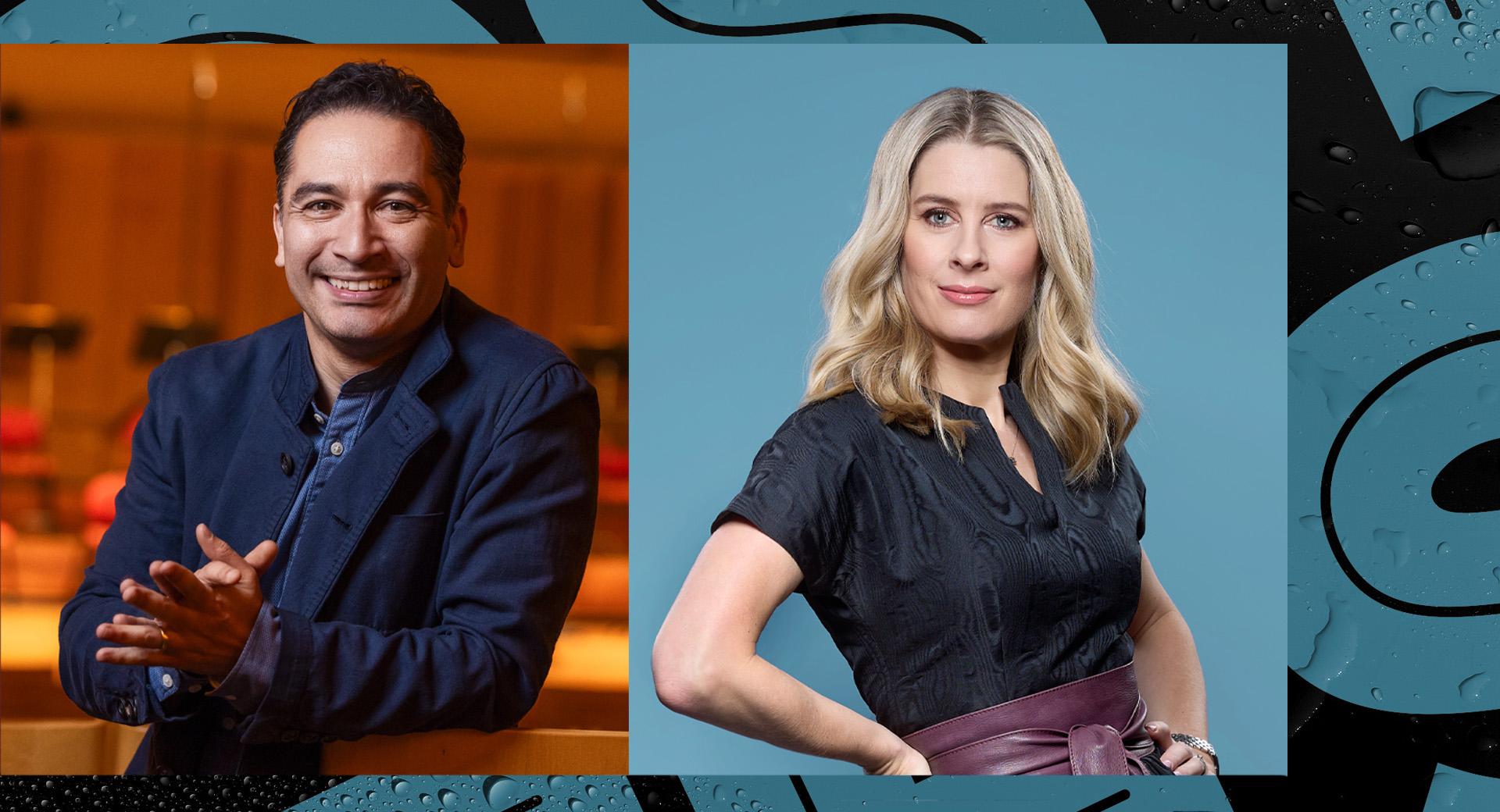 21 August350 - 650 krRythm and ritualThe Baltic Sea Festival 2026 opens with premieres and pulse! Andres Orozco-Estrada debuts as Chief Conductor, Hillborg’s Hell Mountain has its Swedish premiere, and Molly Kien’s new work receives its world premiere. Soprano Malin Byström sparkles in Alma Mahler’s songs before the evening culminates in Stravinsky’s iconic The Rite of Spring.Read more & tickets
 22 AugustiFamily day and open houseJoin the Baltic Sea Festival's traditional family day for all ages!Read more
 22 augusti180 krWho will save Alfie Atkins?Alfie sits alone in the apartment where he lives and feels lonely. He has moved to a new place and doesn’t know any of the other children there. Sometimes his imaginary friend Malcolm appears, and when they play together, Alfons always gets to decide — like being the train driver when they play trains. The problem is that Mållgan never shows up when he is really needed, like when the “big boys” chase Alfons and spray his jacket with water pistols. A performance about friendship, based on Alfie Atkins, the beloved children’s book character created by Gunilla Bergström.Read more & tickets
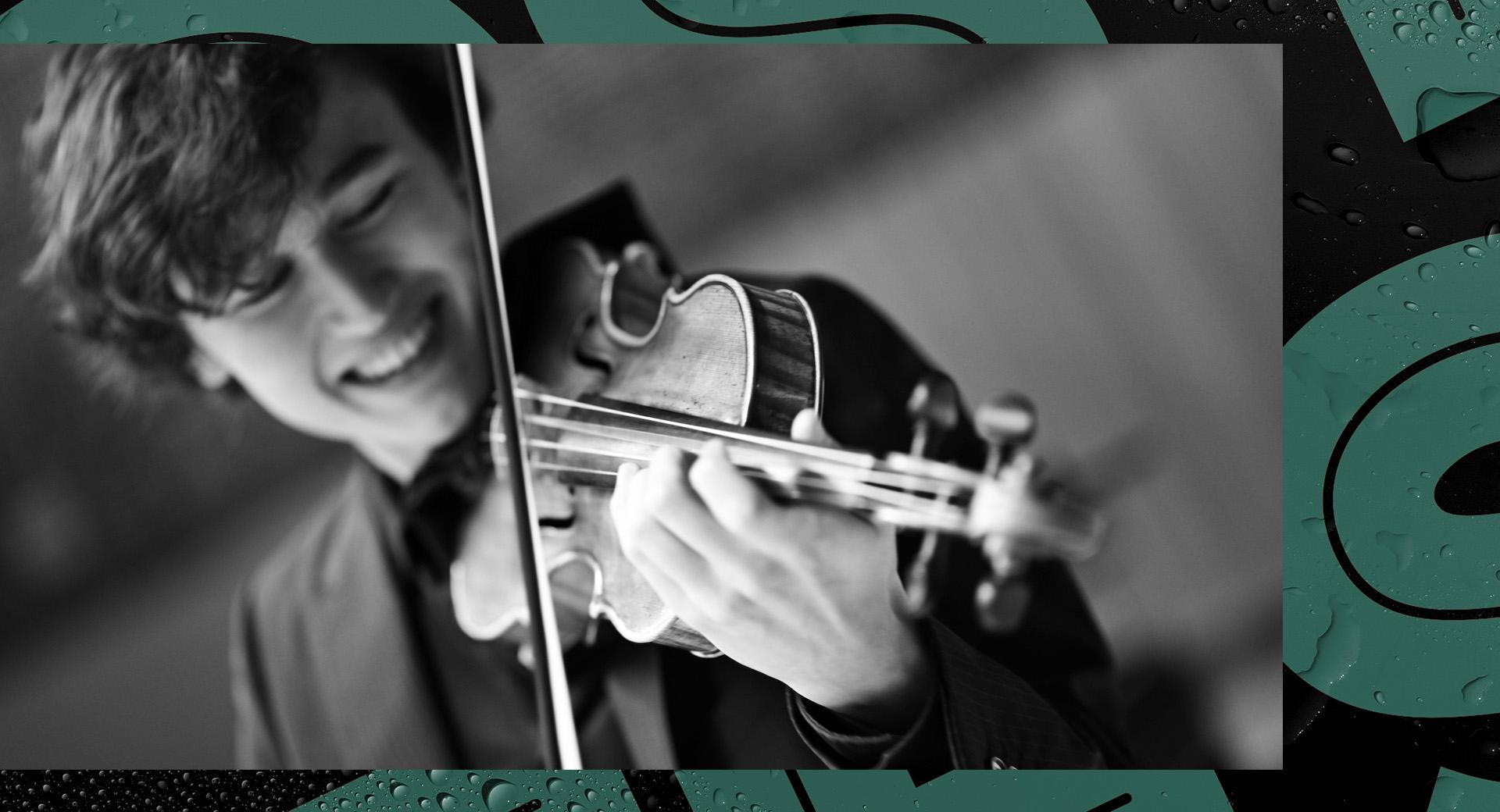 22 August80 - 275 krBack to Bach with LozakovichInternationally acclaimed violinist Daniel Lozakovich offers an exklusive concert in Storkyrkan featuring music by his great artistic beacon, Johann Sebastian Bach.Read more & tickets