Honeck in a time of reflection
From Dvořák’s mournful, spellbinding fairytale opera, Rusalka, to Schubert’s and Richard Strauss’s songs, it is a concert characterized by story-telling, by longing and love. The opera’s unfortunate lovers, the water nymph who falls in love with a human prince, is perhaps comforted by Schubert’s tender Litanei or, for that matter, Strauss’s Allerseelen about longing and the yearning for a departed loved one. Brahms’s romantic Symphony No. 4 rounds off the concert in a grand and dignified fashion.
This production is part of one or more concert series.

Once again, Berwaldhallen will be welcoming the Swedish Radio Symphony Orchestra’s former chief conductor Manfred Honeck and the young baritone Andrè Schuen, who we last heard in Benjamin Britten’s War Requiem. Honeck has long wanted to do a Dvořák programme, and has been personally involved in putting together the suite with music from Dvořák’s opera Rusalka.
The libretto is based on a Slavic fairy tale about a water nymph who falls in love with a prince. In the most famous aria from the opera, “O silver moon”, she wishes to become human, and her wish is granted. However, the conditions are that both she and the prince will die if she does not find her love. Unfortunately, the story has a sad ending.
Strauss’s song of youth Allerseelen also deals with unrequited love, as the narrator wishes to regain his beloved and her love on All Souls Day. Strauss is perhaps best known for his symphonic poems from the 1890s and also later for his operas. But throughout his life he wrote songs and orchestrated many of them himself. Ruhe meine Seele was orchestrated as late as 1948. The talk of “difficult times” in the writings might reflect Strauss’ reflections on the fate of Germany.
“Vier Lieder”, which include Morgen and Ruhe meine Seele, were written by Strauss for his wife as a gift on their wedding day on September 10, 1894. The texts were chosen from the young avant-garde poets that had befriended on a trip to Berlin. The musical style is now regarded as Art Nouveau, meandering and richly ornamental. Traum durch die Dämmerung, characterized by rapture, ecstasy and delight, also belongs to this creative period. After 1906, he takes a break and does not compose any more songs for twelve years.
Schubert’s beloved, Litanei, with its simple, tender and comforting song “to the memory of all souls”, is the result of his newly acquired experience of the bel canto style, following lessons with Antonio Salieri. Des Fischers Liebesglück is about the fisherman’s fortunes in love, while at the same time the key of A minor betrays something else: loneliness and isolation. Schubert often used A minor in his works to describe this.
The crowning glory of the concert is Brahms’s final symphony. In 1885, he was considered to be Beethoven’s heir, and he considered himself to be the end point in a long golden age. He was not fond of the new, avant-garde music with Wagner at the helm. He did not even approach the musical drama and the programme music was alien to him. Instead, he can be seen as a romantic, but one who moulds his works into a classicist form. He derives the melodics from the popular folk roots. In Symphony No. 4, his thoughts converge on a conclusion, but not a sad one, one with the head held high. An autumn song with references to his major sources of inspiration: Palestrina, Bach and Beethoven.
Text: Andreas Konvicka
More concerts
 21 October100 - 420 kr
Discover fin-de-siècle ballet
Through the turn of the century ballet music, a world of rhythms, colours and modernist imagination opens, as Anton Holmer makes his debut with the Swedish Radio Symphony Orchestra. Gregor Zubicky guides you through the music created for the iconic Swedish Ballet and Ballets Russes in Paris.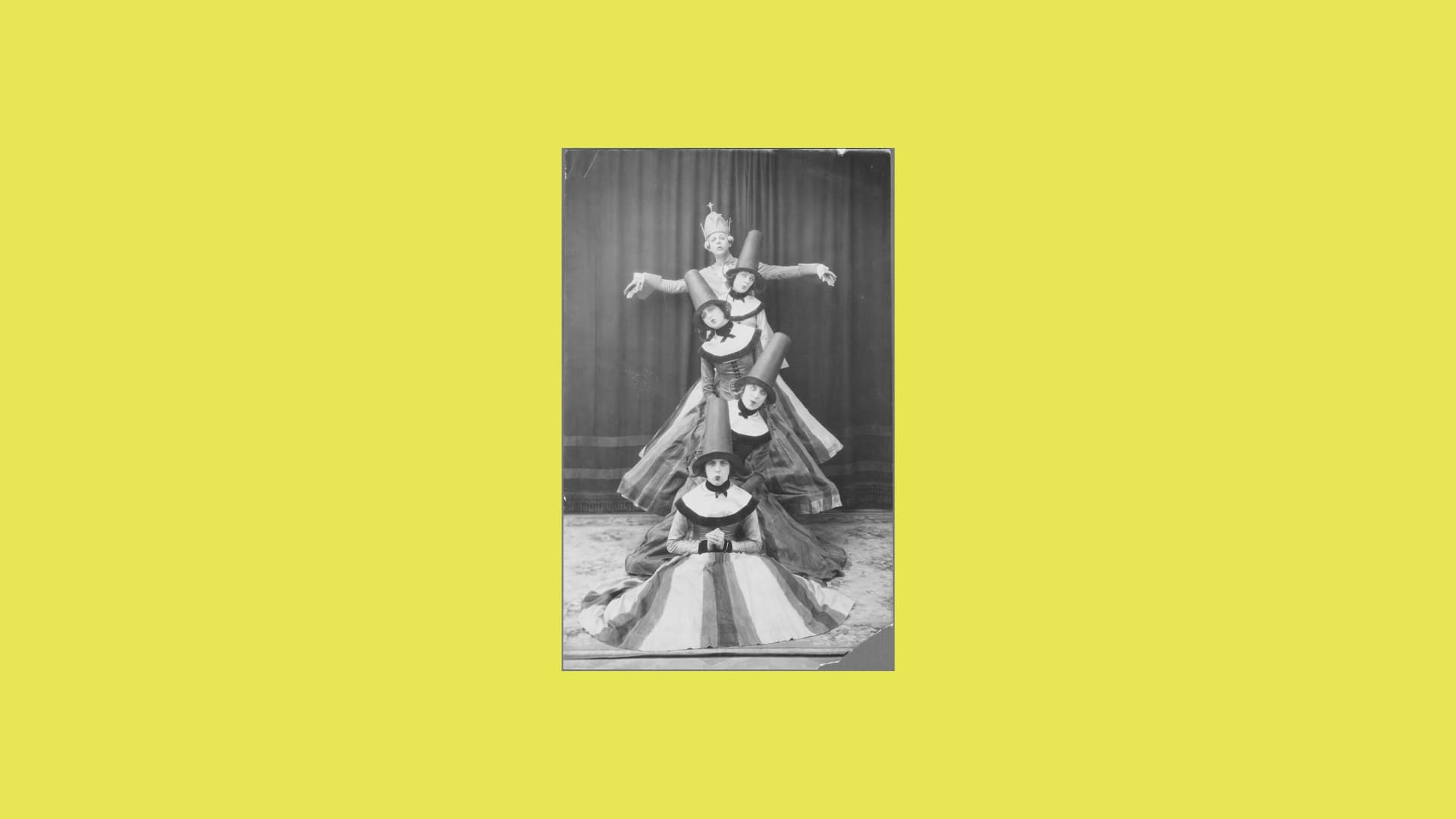 22 October100 - 420 kr
Ballet at the turn-of-the-century
When the turn of the century dance scene underwent major changes, a new world of sounds, colours and rhythmic imagination opened. Under the direction of Anton Holmer, the Swedish Radio Symphony Orchestra takes you through a time when ballet moved from playful folk to modernist elegance. Few seats remaining24 October180 kr
Humlan Djojj on an adventure with the Swedish Radio Symphony Orchestra
When Humlan Djojj loses his way, he ends up in the middle of Berwaldhallen, surrounded by a live orchestra buzzing like a whole world of insects. Together with his friends and the musicians, Djojj sets off on a playful musical adventure. A warm and interactive concert experience for the whole family, where Djojj’s Grammy-nominated music meets the Swedish Radio Symphony Orchestra.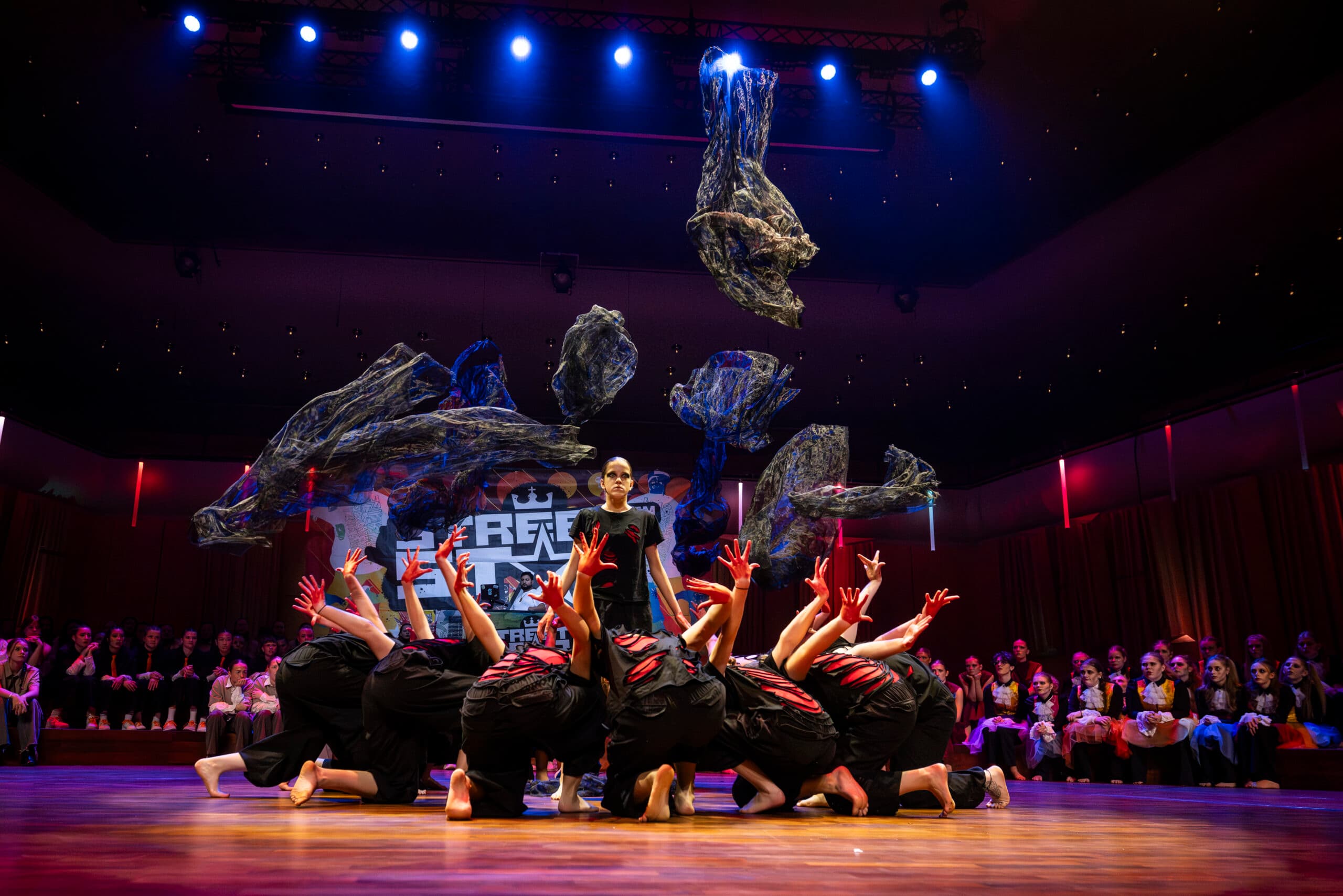 29 oktober185 - 325 kr
Streetstar Dance School Challenge 2026 – Next Generation 14–16's — Next Generation: 14–16's
Streetstar proudly presents the seventeenth edition of the Streetstar Dance School Challenge – one of Sweden’s largest and most anticipated dance competitions. This year’s major new feature is the Streetstar Showcase of the Year!